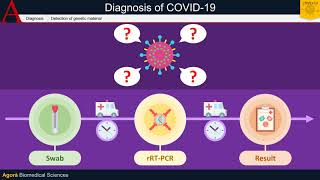
Published today in @radiology_rsna — Diagnostic Performance of CT and Reverse Transcriptase-Polymerase Chain Reaction for Coronavirus Disease 2019: A Meta-Analysis. https://t.co/Lu5v6fMAlB #COVID19 #ChestRad https://t.co/vkHwRusPPU
Diagnostic Performance of CT and Reverse Transcriptase Polymerase Chain Reaction for Coronavirus Disease 2019: A Meta-Analysis.
Mentions
Extended reach
Total likes
Video views
Mentions per month
Apr 2020 – Feb 2024Where it's discussed
-
X / Twitter148 posts
-
News6 articles
-
YouTube2 videos
-
Facebook2 posts
-
Blogs2 articles
AI synopsis
What people are saying
Several discussions highlight specific findings from the study, like CT's high sensitivity (94%) compared to RTPCR's (89%) but note its low specificity (37%). Users use phrases like 'not recommended as a screening modality' and 'false positives' to convey their concerns about the practical applications of CT, reflecting a serious consideration of the article's conclusions.
Most discussions reflect a consensus on the meta-analysis's important findings, such as the sensitivity and specificity of CT and RTPCR tests.
Participants show high curiosity in the findings, with many commenting on specific metrics and implications for diagnosis.
Some discussions delve into the nuances of predictive values, indicating at least a moderate depth of engagement with the content.
Many users perceive the publication as having significant relevance, especially in influencing diagnostic protocols in practice.
Abstract in brief
- A meta-analysis was conducted to evaluate the diagnostic performance of chest CT scans and reverse transcriptase polymerase chain reaction (RTPCR) tests for COVID-19, analyzing studies from January to April 2020.
- The results showed that chest CT scans had a high sensitivity of 94% but lower specificity of 37%, while RTPCR tests had a sensitivity of 89% and higher specificity.
- Factors influencing the sensitivity of CT included disease severity and patient demographics, with lower performance noted in areas with low COVID-19 prevalence; predictive values for both tests varied significantly based on patient populations.
Top posts
Most liked on X and BlueskyD'après cette méta-analyse, la valeur prédictive d'un test PCR positif peut être inférieure à 50% : https://t.co/jNyLosVowN Or le CNR (Centre National de Référence) n'avait pas l'air au courant (le 9 mai): https://t.co/wsZLUNExgf ⬇️
RT-PCRの感度は89%とするメタアナリシス https://t.co/7JabNKx1HS そもそもground truthがわからないので感度だすのはトリッキー。ここでは複数回PCRやって1回でも陽性なら感染あり,そうでなければ感染なしとしているので,感度はかなり高めに出そう
En résumé dans une population à faible prévalence rien ne vaut la rtPCR. Diagnostic Performance of CT and Reverse Transcriptase-Polymerase Chain Reaction for Coronavirus Disease 2019: A Meta-Analysis | Radiology https://t.co/VeP6RikRoJ…
#COVID19 #News from #ScientificPublications Diagnostic Performance of CT and Reverse Transcriptase-Polymerase Chain Reaction for Coronavirus Disease 2019: A Meta-Analysis. More info ➡ https://t.co/UHDjWMiSRH #AdvancesInSurgery #AgainstCoronaVirus #AgainstCOVID19 https://t.co/2mCjqg4zd3
Performance of #CTchest Vs #RTPCR #Covid_19 Meta analysis; RTPCR ref std. Sensitivity 94% for CT chest Specificity 37% PPV 1.5% to 31% NPV 95% to 99.8%. https://t.co/wEhJ5JUPnL CT for screening/diagnosis #Covid not beneficial in low prevalence #false+
All mentions
Advances in Chest Imaging and AI for COVID-19 Severity Assessment
Following the April 2020 publication of the Fleischner Statement, Dr. Geoffrey Rubin provides an update based on five months of new evidence. The findings emphasize the limited role of CT in diagnosis but highlight its…
COVID-19 Diagnosis: Methods and Challenges in Laboratory Testing
The COVID-19 outbreak has significantly affected clinical microbiology laboratories, raising challenges for diagnosing SARS-CoV-2 infections. Proper specimen collection during the preanalytical stage is vital for…
RT @sunasaji: たとえばこちらではCT感度94%PCR感度89%と報告されていますが、RT-PCR as reference standard、つまりRT-PCRで1回は陽性となった人を分母にしています。ちなみに有病率が10%以下の国では陽性的中率はCTよりPCRの…
RT @revoltes: D'après cette méta-analyse, la valeur prédictive d'un test PCR positif peut être inférieure à 50% : https://t.co/jNyLosVowN…
RT @sunasaji: たとえばこちらではCT感度94%PCR感度89%と報告されていますが、RT-PCR as reference standard、つまりRT-PCRで1回は陽性となった人を分母にしています。ちなみに有病率が10%以下の国では陽性的中率はCTよりPCRの…
@TakethatCt @MonitorFake @MistairRogers @GregMiller062 @CitizenMurca @MattWallace888 https://t.co/k3URClyYVa
RT @sunasaji: たとえばこちらではCT感度94%PCR感度89%と報告されていますが、RT-PCR as reference standard、つまりRT-PCRで1回は陽性となった人を分母にしています。ちなみに有病率が10%以下の国では陽性的中率はCTよりPCRの…
RT @revoltes: D'après cette méta-analyse, la valeur prédictive d'un test PCR positif peut être inférieure à 50% : https://t.co/jNyLosVowN…
RT @sunasaji: たとえばこちらではCT感度94%PCR感度89%と報告されていますが、RT-PCR as reference standard、つまりRT-PCRで1回は陽性となった人を分母にしています。ちなみに有病率が10%以下の国では陽性的中率はCTよりPCRの…
RT @revoltes: D'après cette méta-analyse, la valeur prédictive d'un test PCR positif peut être inférieure à 50% : https://t.co/jNyLosVowN…
RT @sunasaji: たとえばこちらではCT感度94%PCR感度89%と報告されていますが、RT-PCR as reference standard、つまりRT-PCRで1回は陽性となった人を分母にしています。ちなみに有病率が10%以下の国では陽性的中率はCTよりPCRの…
RT @SNU_Rad: Two meta-analysis studies on COVID-19 by Professor Soon Ho Yoon published in @radiology_rsna have been downloaded more than 27…
Two meta-analysis studies on COVID-19 by Professor Soon Ho Yoon published in @radiology_rsna have been downloaded more than 27,000 since publication, with Altmetric scores of 364 and 455, respectively. https://t.co/5oVJrrwdEU https://t.co/VmIVKvNmOy
RT @sunasaji: たとえばこちらではCT感度94%PCR感度89%と報告されていますが、RT-PCR as reference standard、つまりRT-PCRで1回は陽性となった人を分母にしています。ちなみに有病率が10%以下の国では陽性的中率はCTよりPCRの…
RT @revoltes: D'après cette méta-analyse, la valeur prédictive d'un test PCR positif peut être inférieure à 50% : https://t.co/jNyLosVowN…
New2Trip: Diagnostic Performance of CT & Reverse Transcriptase Polymerase Chain Reaction for Coronavirus Disease 2019: Meta-Analysis https://t.co/xe8jDaxlni
RT @revoltes: D'après cette méta-analyse, la valeur prédictive d'un test PCR positif peut être inférieure à 50% : https://t.co/jNyLosVowN…
RT @COVID19Evidence: #COVID19 #coronavirus Free full text! #covid #EBM Diagnostic Performance of CT and Reverse Transcriptase Polymerase Ch…
#COVID19 #coronavirus Free full text! #covid #EBM Diagnostic Performance of CT and Reverse Transcriptase Polymerase Chain Reaction for Coronavirus Disease 2019: A Meta-Analysis. https://t.co/OnKl3WdLSB
D'après cette méta-analyse, la valeur prédictive d'un test PCR positif peut être inférieure à 50% : https://t.co/jNyLosVowN Or le CNR (Centre National de Référence) n'avait pas l'air au courant (le 9 mai): https://t.co/wsZLUNExgf ⬇️
@B_A_Lubamba @MUKENDIJol2 @FabiolaNgongo @julesmusitu @kalala @arayaasante @Mutombolaurent @ericgustin1 Certainly! The currently used CT- PCR with a Positive Prédictive Value as low as 56% sometimes less depending on the prevalence rate https://t.co/KqyFKlgOYf
Diagnostic Performance of CT and Reverse Transcriptase-Polymerase Chain Reaction for Coronavirus Disease 2019: A Meta-Analysis | Radiology うーん取り敢えず探しているけど、pubmedで引っかかるCTとRT-qPCR法の感度、特異度を比較したメタアナライシスはこれだけか。 https://t.co/XMsxtUM8L1
@karamaru_td @mzw_neo @Omochi_661009 @y_banri >Diagnostic Performance of CT and Reverse Transcriptase-Polymerase Chain Reaction for Coronavirus Disease 2019: A Meta-Analysis この論文について下記のように述べられては。 https://t.co/J4NZjGzpQQ
RT @h_okumura: RT-PCRの感度は89%とするメタアナリシス https://t.co/7JabNKx1HS そもそもground truthがわからないので感度だすのはトリッキー。ここでは複数回PCRやって1回でも陽性なら感染あり,そうでなければ感染なしとして…
RT-PCRの感度は89%とするメタアナリシス https://t.co/7JabNKx1HS そもそもground truthがわからないので感度だすのはトリッキー。ここでは複数回PCRやって1回でも陽性なら感染あり,そうでなければ感染なしとしているので,感度はかなり高めに出そう
@tsuneeet CT,PCRのメタ解析比較では陰性的中率はCT,PCRで大きく違いはないが陽性的中率はPCRが優位との分析があります。PCR施行可能な状況では、CTは「所見なし」でないと判断保留するのは仕方ないのではないでしょうか?https://t.co/SxEtKVBmGJ
RT @BioHospitalix: En résumé dans une population à faible prévalence rien ne vaut la rtPCR. Diagnostic Performance of CT and Reverse Trans…
En résumé dans une population à faible prévalence rien ne vaut la rtPCR. Diagnostic Performance of CT and Reverse Transcriptase-Polymerase Chain Reaction for Coronavirus Disease 2019: A Meta-Analysis | Radiology https://t.co/VeP6RikRoJ…
Performance of #CTchest Vs #RTPCR #Covid_19 Meta analysis; RTPCR ref std. Sensitivity 94% for CT chest Specificity 37% PPV 1.5% to 31% NPV 95% to 99.8%. https://t.co/wEhJ5JUPnL CT for screening/diagnosis #Covid not beneficial in low prevalence #false+
Diagnostic Performance of CT and Reverse Transcriptase-Polymerase Chain Reaction for Coronavirus Disease 2019: A Meta-Analysis | Radiology https://t.co/sIoTzPGmPB
RT @radiology_rsna: Published today in @radiology_rsna — Diagnostic Performance of CT and Reverse Transcriptase-Polymerase Chain Reaction f…
@health_z_wealth CT has very high rate of false positives. Not recommended as a screening modality. https://t.co/iYo0uhiFbX
RT @AISChannel: #COVID19 #News from #ScientificPublications Diagnostic Performance of CT and Reverse Transcriptase-Polymerase Chain Reactio…
#COVID19 #News from #ScientificPublications Diagnostic Performance of CT and Reverse Transcriptase-Polymerase Chain Reaction for Coronavirus Disease 2019: A Meta-Analysis. More info ➡ https://t.co/UHDjWMiSRH #AdvancesInSurgery #AgainstCoronaVirus #AgainstCOVID19 https://t.co/2mCjqg4zd3
Diagnostic Performance of CT and Reverse Transcriptase-Polymerase Chain Reaction for Coronavirus Disease 2019: A Meta-Analysis | Radiology https://t.co/EyqbZk7WLU
RT @salvasapedraza: Diagnostic Performance of CT and Reverse Transcriptase-Polymerase Chain Reaction for Coronavirus Disease 2019: A Meta-A…
RT @radiology_rsna: Published today in @radiology_rsna — Diagnostic Performance of CT and Reverse Transcriptase-Polymerase Chain Reaction f…
Diagnostic Performance of CT and Reverse Transcriptase-Polymerase Chain Reaction for Coronavirus Disease 2019: A Meta-Analysis | Radiology https://t.co/5uGHJEQi4e
RT @radiology_rsna: Published today in @radiology_rsna — Diagnostic Performance of CT and Reverse Transcriptase-Polymerase Chain Reaction f…
RT @vizujose: Habría que saber la prevalencia real de la enfermedad en nuestro medio... Diagnostic Performance of CT and Reverse Transcrip…
RT @radiology_rsna: Published today in @radiology_rsna — Diagnostic Performance of CT and Reverse Transcriptase-Polymerase Chain Reaction f…
Diagnostic Performance of CT and Reverse Transcriptase-Polymerase Chain Reaction for Coronavirus Disease 2019: A Meta-Analysis | Radiology https://t.co/dThQ39lUwf
RT @vizujose: Habría que saber la prevalencia real de la enfermedad en nuestro medio... Diagnostic Performance of CT and Reverse Transcrip…
RT @radiology_rsna: Published today in @radiology_rsna — Diagnostic Performance of CT and Reverse Transcriptase-Polymerase Chain Reaction f…
Habría que saber la prevalencia real de la enfermedad en nuestro medio... Diagnostic Performance of CT and Reverse Transcriptase-Polymerase Chain Reaction for Coronavirus Disease 2019: A Meta-Analysis | Radiology https://t.co/mIwf2XmsEg
RT @radiology_rsna: Published today in @radiology_rsna — Diagnostic Performance of CT and Reverse Transcriptase-Polymerase Chain Reaction f…
Published today in @radiology_rsna — Diagnostic Performance of CT and Reverse Transcriptase-Polymerase Chain Reaction for Coronavirus Disease 2019: A Meta-Analysis. https://t.co/Lu5v6fMAlB #COVID19 #ChestRad https://t.co/vkHwRusPPU