Discussions highlight the nuanced effects of sweeteners on gut microbiota, with posts referencing mechanisms and health concerns, such as the mention that sweeteners like aspartame do not significantly alter microbiota and how sweeteners like saccharin may change bacterial populations. The tone combines cautious scientific curiosity with recognition of ongoing uncertainties, as seen in phrases like 'interact in unknown ways' and 'more than calories,' which signify interest without overstating conclusions.
AgreementModerate agreement
Most discussions acknowledge the complexity and limited understanding of how low-calorie sweeteners interact with gut microbiota, with comments aligned with the cautious tone of the publication.
InterestModerate interest
The posts demonstrate moderate curiosity, referencing the biochemical interactions and health implications, indicating a genuine but cautious interest.
EngagementModerate engagement
Some discussions delve into mechanisms and debate the health impacts, showing a moderate depth of engagement with the research details.
ImpactModerate impact
The concept of sweeteners influencing microbiota presents potential health significance, as reflected in phrases like 'more than calories' and 'unnknown ways,' suggesting perceived importance.
Abstract in brief
Sweeteners that are significantly sweeter than sugar are increasingly used as substitutes, but their impact on gut microbiota is not fully understood.
Aspartame and acesulfame-K generally don’t affect gut bacteria much, although acesulfame-K can alter bacterial populations slightly, while saccharin and sucralose do change gut microbiota without clear health benefits or drawbacks.
Steviol glycosides may require gut bacteria for metabolism and could modify bacterial populations, and the effects of sugar alcohols (polyols) on gut health, including potential laxative effects, particularly for people with bowel issues, remain unclear.
Jan 25, 2022 · 4 likes · 108,084 followersView post →
MK
Marit Kolby
@MaritKolby · X
Artificial and natural sweeteners, low or no-calorie, interact with microbiota in unknown ways. Food is more than calories. Plausible Biological Interactions of Low- and Non-Calorie Sweeteners with the Intestinal Microbiota: An Update of Recent Studies https://t.co/vxKJqwfWNR
Jun 23, 2020 · 4 likes · 4,899 followersView post →
Plausible Biological Interactions of Low- and Non-Calorie Sweeteners with the Intestinal Microbiota: An Update of Recent Studies. https://t.co/DeiITbxzLH
Además de que tomar aspartamo (en dosis aceptadas) no suponga un riesgo mayor que el de vivir en una ciudad con humos de motor...
Es que, aunque lo tomemos, ni siquiera altera nuestra microbiota intestinal porque se rompe en componentes «naturales».
https://t.co/OyQiwqJ5ws https://t.co/n8Y9mtz3QN
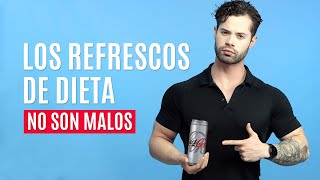
En este video te ensear la evidencia científica sobre los refrescos de dieta y su consumo. Se discuten los riesgos asociados, incluyendo la relación entre bebidas endulzadas artificialmente y problemas de salud como…
This video examines how sugar substitutes like stevia, aspartame, monk fruit, saccharin, and erythritol impact health, including weight, diabetes, and gut microbiome. We explore recent studies on their biological…
Además de que tomar aspartamo (en dosis aceptadas) no suponga un riesgo mayor que el de vivir en una ciudad con humos de motor...
Es que, aunque lo tomemos, ni siquiera altera nuestra microbiota intestinal porque se rompe en componentes «naturales».
https://t.co/OyQiwqJ5ws https://t.co/n8Y9mtz3QN
Jan 25, 2022 · 1 like · 3,080 followersView post →
SS
Saúl Sánchez
@SaulNutri · X
Jan 25, 2022 · 4 likes · 108,084 followersView post →
MK
Marit Kolby
@MaritKolby · X
Artificial and natural sweeteners, low or no-calorie, interact with microbiota in unknown ways. Food is more than calories. Plausible Biological Interactions of Low- and Non-Calorie Sweeteners with the Intestinal Microbiota: An Update of Recent Studies https://t.co/vxKJqwfWNR
Jun 23, 2020 · 4 likes · 4,899 followersView post →
HC
Harriet Carroll: Long Covid Scientific Consultancy
@angryhacademic · X
Review: mechanisms and potential health effects of non-nutritive #sweeteners and the #microbiome
https://t.co/MuyyarcxXj
Plausible Biological Interactions of Low- and Non-Calorie Sweeteners with the Intestinal Microbiota: An Update of Recent Studies. https://t.co/DeiITbxzLH
Non-Nutritive Sweeteners and Their Impacts On The Gut ...
News
doi: 10.3390/nu12041153 63. Green E, Murphy C. Altered processing of sweet taste in the brain of 42. Soejima A, Tanabe AS, Takayama I, Kawahara T, Watanabe ...
The Science of Gut Health | PDF | Stomach | Gastrointestinal Tract
News
doi:10.3390/nu12041153 143. Lobach AR, Roberts A, Rowland IR. Assessing the in vivo data on low/no-calorie sweeteners and the gut microbiota. Food Chem ...
 SS
 MK
 SA
 HC
 SP
 D