
Using Insights from Behavioral Economics to Mitigate the Spread of COVID-19.
Moslem Soofi, Farid Najafi, Behzad Karami-Matin
June 2020 Appl Health Econ Health PolicySynopsis of Social media discussions
The discussions generally focus on how understanding cognitive biases like optimism and status quo bias can inform better public health policies, with phrases such as 'help from behavioral economics' and 'design interventions to prevent COVID-19,' demonstrating a meaningful interest and recognition of the publication's relevance. The tone is analytical and optimistic about the potential for behavioral insights to influence policy.
Agreement
Moderate agreementMost discussions recognize the value of applying behavioral economics to improve public health responses, reflecting a consensus that understanding psychological biases can aid pandemic strategies.
Interest
High level of interestPosts show high interest, with multiple mentions of cognitive biases and the potential for policy interventions, indicating active engagement with the topic.
Engagement
Moderate level of engagementSeveral discussions include specific references to theories and implications, such as how biases influence health behaviors, demonstrating thoughtful engagement.
Impact
Moderate level of impactWhile the discussions highlight the promising role of behavioral insights, they suggest moderate impact, emphasizing potential benefits rather than widespread change.
Social Mentions
YouTube
2 Videos
14 Posts
News
1 Articles
Metrics
Video Views
290,912
Total Likes
10,279
Extended Reach
446,154
Social Features
17
Timeline: Posts about article
Top Social Media Posts

Instituto Mexicano de Economía del Comportamiento
¿Quieres saber cómo los sesgos cognitivos afecta la forma en la que nos cuidamos en esta pandemia?
view full post

Alzhacker
行動経済学でCOVID-19感染を緩和する。
https://t.co/USO8Mxppfe
政策立案者が、人々がCOVID-19に関する予防的行動を守らないことに対して、否定的な感情を持たせようとすると、逆に守らないことと関連する知覚リスクを増加させる可能性があることが過去の研究で示唆されている。
view full post

Tim Wrightson ☮
And a close 3rd most accessed article, another one on #COVID19
https://t.co/ztMoOWSUlz #BehavioralEconomics
view full post

Dr.K.Prabhakar
@pujamehra @arjun_jayadev Excellent discussions and clear thought process. Good question on ideology or lack of it. Book recommendation is excellent Professor. Using Insights from Behavioral Economics to Mitigate the Spread of COVID-19f Medical https://t.co/KlkFtm4vy6 may help?
view full post

ちくりん/行動経済学研究者「ビジネスパーソンのための使える行動経済学」著者
コロナ禍で見られるバイアスとその対応。かなり貴重な整理。
https://t.co/he7pIXtrwg
view full post
Posts referencing the article
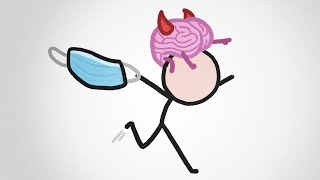
How Cognitive Biases Impact Pandemic Response and Public Safety
Certain cognitive biases cause humans to make unsafe decisions in a pandemic, making the situation worse. Understanding these biases can help improve public health messaging and safety measures.

February 12, 2021
290,712 views

How the Brain's Biases Exacerbate COVID-19 Risks
Our brain is poorly designed with biases and ingrained thought patterns that make pandemics even more catastrophic. Understanding these biases can help improve public health strategies and safety compliance.
October 1, 2021
200 views
-
コロナ禍で見られるバイアスとその対応。かなり貴重な整理。 https://t.co/he7pIXtrwg
view full postSeptember 20, 2021
1
-
Instituto Mexicano de Economía del Comportamiento
@ecomportamiento (Twitter)¿Quieres saber cómo los sesgos cognitivos afecta la forma en la que nos cuidamos en esta pandemia?
view full postApril 17, 2021
4
-
Tim Wrightson ☮
@ApplHealthEcon (Twitter)And a close 3rd most accessed article, another one on #COVID19 https://t.co/ztMoOWSUlz #BehavioralEconomics
view full postJanuary 26, 2021
3
-

Maria Acciarri
@MariaAcciarri (Twitter)RT @revcontexto: El #BehavioralEconomics puede ayudar desde la política pública a identificar los sesgos de decisión de los individuos y ut…
view full postSeptember 17, 2020
4
-

Gonzalo Ramirez Cleves
@iureamicorum (Twitter)RT @revcontexto: El #BehavioralEconomics puede ayudar desde la política pública a identificar los sesgos de decisión de los individuos y ut…
view full postSeptember 12, 2020
4
-

Juliana
@julasierra (Twitter)RT @revcontexto: El #BehavioralEconomics puede ayudar desde la política pública a identificar los sesgos de decisión de los individuos y ut…
view full postSeptember 11, 2020
4
-

Daniel Alejandro Monroy
@DaniAlejandroM (Twitter)RT @revcontexto: El #BehavioralEconomics puede ayudar desde la política pública a identificar los sesgos de decisión de los individuos y ut…
view full postSeptember 11, 2020
4
-

Revista Contexto (Derecho y Economía)
@revcontexto (Twitter)El #BehavioralEconomics puede ayudar desde la política pública a identificar los sesgos de decisión de los individuos y utilizarlos como puntos de partida para diseñar las intervenciones para prevenir mejor el #COVID19 https://t.co/lP0gZyWEq1 https://t.co/PGZdTzKGlD
view full postSeptember 11, 2020
1
4
-

Red de Estudios para el Desarrollo
@redesarrollope (Twitter)@nadia_cci @klo_pez (3/3) Keser y van Winden, 2000: https://t.co/5AavysPFms Gachter, 2006: https://t.co/IOmxxUYTtV Rosenblat, Soofi y coautores, 2020: https://t.co/yvHfxIvhvZ
view full postSeptember 4, 2020
-

Puja Mehra
@pujamehra (Twitter)RT @profkprabhakar: @pujamehra @arjun_jayadev Excellent discussions and clear thought process. Good question on ideology or lack of it. Boo…
view full postJune 26, 2020
1
-
Dr.K.Prabhakar
@profkprabhakar (Twitter)@pujamehra @arjun_jayadev Excellent discussions and clear thought process. Good question on ideology or lack of it. Book recommendation is excellent Professor. Using Insights from Behavioral Economics to Mitigate the Spread of COVID-19f Medical https://t.co/KlkFtm4vy6 may help?
view full postJune 25, 2020
2
1
-

aula【大規模PCR検査保護隔離治療支援を最優先に。ゼロコロナ志向で一刻も早く一人でも多く助けて】
@aula531 (Twitter)RT @Alzhacker: 行動経済学でCOVID-19感染を緩和する。 https://t.co/USO8Mxppfe 政策立案者が、人々がCOVID-19に関する予防的行動を守らないことに対して、否定的な感情を持たせようとすると、逆に守らないことと関連する知覚リスクを増加…
view full postMay 23, 2020
1
-
Alzhacker
@Alzhacker (Twitter)行動経済学でCOVID-19感染を緩和する。 https://t.co/USO8Mxppfe 政策立案者が、人々がCOVID-19に関する予防的行動を守らないことに対して、否定的な感情を持たせようとすると、逆に守らないことと関連する知覚リスクを増加させる可能性があることが過去の研究で示唆されている。
view full postMay 23, 2020
3
1
-
Tim Wrightson ☮
@ApplHealthEcon (Twitter)Using Insights from #BehavioralEconomics to Mitigate the Spread of #COVID19 https://t.co/ztMoOWSUlz
view full postMay 21, 2020
-
857227 | PDF
https://doi.org/10.1007/s40258-020-00595-4 161. Sop, S. A. (2017). Marka ... https://doi.org/10.1007/978-3-642-74919-3_4. Tversky, A., & Kahneman, D ...
view full postDecember 14, 2025
News
Abstract Synopsis
- The paper discusses how behavioral economics can help improve public health strategies to encourage people to follow COVID-19 preventive measures.
- It explains various psychological biases like present bias, status quo bias, and optimism bias that cause people to act less responsibly during the pandemic.
- By understanding these behaviors, policymakers can design better interventions to reduce the spread of COVID-19 and promote safer habits.]
ちくりん/行動経済学研究者「ビジネスパーソンのための使える行動経済学」著者
@kaneyoshiupaupa (Twitter)