 LL
luca Leli.
@adamoprogresso · X
Autonomic flexibility reflects learning and associated neuroplasticity in old age https://t.co/OE12aeuUH5.
May 2, 2022 · 3,308 followers
View post →
Mentions
Extended reach
Total likes
Video views
AI synopsis
Discussions highlight the shift from believing the brain becomes fixed to recognizing ongoing neuroplasticity, using phrases like 'brain never stops changing' to underscore the importance of lifelong learning. The repeated emphasis on 'autonomic flexibility' reflects an acknowledgment of its relevance to aging and cognitive health, though the tone remains more explanatory than critical or impactful.
Most discussions agree with the article's premise that neuroplasticity persists in old age and challenge older notions of a fixed brain.
There is a moderate interest shown, especially with the statement highlighting lifelong brain change, which resonates with current lifelong learning themes.
Comments reflect some engagement, such as recognizing the significance of autonomic flexibility, but lack deep analysis or methodological discussion.
While the topic is interesting, the overall impact is moderate since discussions mostly emphasize general agreement rather than practical implications or broader societal effects.
Autonomic flexibility reflects learning and associated neuroplasticity in old age https://t.co/OE12aeuUH5.
Autonomic flexibility reflects learning and associated neuroplasticity in old age https://t.co/OE12aeuUH5
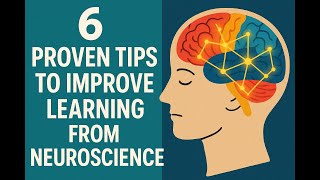
This video explores the neuroscience behind learning and presents six scientifically validated methods to improve learning capacity, including sleep's role in plasticity and brain adaptation to new information.
"While people used to believe that the brain became fixed after a certain age, newer research has revealed that the brain never stops changing in response to learning." https://t.co/YlbIBhBSO9
Autonomic flexibility reflects learning and associated neuroplasticity in old age https://t.co/OE12aeuUH5.
Autonomic flexibility reflects learning and associated neuroplasticity in old age https://t.co/OE12aeuUH5
 MM