 SM
 DK
 JM
 GS
 FM
 EG
 DW
 М
 A
 S
 LG
 GP
 V
 D
 KH
 DR
 TT
 CV
 NG
 森
 DB
 SE
 JF
 LM
 UM
Emma營養師-錢靜蓉營養保健。親子育兒。生活分享。 - Facebook
Facebook
從小不愛看卡通,卻愛看烹飪節目 國中就決定:我要當營養師。 10年以上營養專業,走過台灣、中國大陸。 看過不同飲食文化,更相信:健康飲食不是吃得完美 ,而是找到 ...
Oct 24, 2026
View →
Mentions
Extended reach
Total likes
Video views
AI synopsis
The collection shows a cautious but attentive discussion of the AGA guidelines. Posts reference the limited and condition-specific evidence, emphasize strains and practical considerations, and note the need for more high-quality research. The tone ranges from tentative optimism to skepticism, with several posts quoting or linking to sources and authors, suggesting readers are using the guidelines to inform clinical decisions rather than uprighting general attitudes toward probiotics.
Overall mixed to cautious: many posts acknowledge limited evidence and emphasize selective use, with some expressing uncertainty or conditional approval.
Moderate to high interest: multiple posts reference key guidelines, authors, and specific GI scenarios, showing engagement with the topic.
Some thoughtful commentary but many posts are brief reactions or retweets, limiting depth; there are a few analytical points but not widespread deep critique.
Moderate impact: discussions highlight practical takeaways (specific strains, conditions) and call for more evidence, indicating potential influence on clinical thinking but not a sweeping paradigm shift.
https://t.co/589vhHuX8e New guidelines for probiotics published @AGA_Gastro . Not sure how I feel about this. Stopping probiotics for IBS. Maybe not @TuesdayNightIBS https://t.co/efMnmgQFeJ
I am very optimistic about the role of #microbiome #synbiotics in human health but not past the science. Only 3 conditional use cases - C. Diff with antibiotic use, pouchitis, and pre-terms babies. Otherwise, pricey dietary supplement. (FMT is a drug) https://t.co/Vnfona7hmh
New AGA guideline on probiotics ➡️ lack of evidence for use of probiotics in a variety of GI diseases. Dr. Grace Su @UMIntMed #valuebasedcare AGA Clinical Practice Guidelines on the Role of Probiotics in the Management of Gastrointestinal Disorders https://t.co/7z4L8oawD3
Guías clínicas de #probióticos para las enfermedades gastrointestinales (AGA, 2020) https://t.co/JXd4no2C0I https://t.co/WarNgozaHy a través de @univadis_es
Clinical evidence does not support corticosteroid treatment for 2019-nCoV lung injury https://t.co/QNB9z3AHZ5 • AGA Clinical Practice Guidelines on the Role of Probiotics in the Management of Gastrointestinal Disorders https://t.co/0vpF77YfD5 #health #IBD #patients #Healthcare
AGA Clinical Practice Guidelines on the Role of Probiotics in the Management of Gastrointestinal Disorders https://t.co/vfMEDy0zh1

In 2020, the American Gastroenterological Association published new guidelines on probiotics for gastrointestinal diseases, highlighting their potential benefits and limitations. This scientific discussion covers recent…
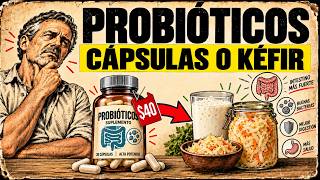
Examines the evidence behind probiotic capsules versus fermented foods. Shows how capsules may delay recovery after antibiotics and highlights benefits of yogurt, kefir, and fermented cabbage as cost-effective options.

Sources httpsrdcubecMd64 httpsdoiorg101016jcell201808047 httpsdoiorg101053jgastro202005059 httpsdxdoiorg1033902Fmicroorganisms7040104 The AGA guidelines review the latest evidence on probiotic use in gastrointestinal…

Korean-language summary of guidelines and trials on probiotics, including what is recommended for GI disorders and IBS, and when capsules may be unnecessary or ineffective.

Senior-friendly eating plan during and after antibiotics focusing on gentle, protein-rich meals, cooked fruits/veg, and gradually added fiber. Discusses fermented foods and when probiotics may not be the right option.

This episode discusses scientific evidence on the use of probiotics and postbiotics within the gut-brain axis. The content emphasizes clarified definitions of postbiotics, their health benefits, mechanisms, and the…

Overview of a large citizen science microbiome study with 10,000+ participants across US, UK, Australia. Highlights beta-diversity differences, standardized shipping protocols, new stool metabolome molecules, and links…
Przy antybiotyku liczy się konkretny szczep probiotyku. Wytyczne AGA sugerują w zapobieganiu zakażeniu C. difficile min. Saccharomyces boulardii, a nie dowolny probiotyk. Źródło: Su G.L. i wsp., „AGA Clinical Practice Guidelines on the Role of Probiotics in the Management of
Probiotyk na zespół jelita drażliwego to nie jest pewna rada. Amerykańskie Towarzystwo Gastroenterologiczne w wytycznych z 2020 roku zaleca stosowanie probiotyków w IBS tylko w ramach badań klinicznych, bo jakość dowodów oceniono jako bardzo niską. Źródło: Su G.L. i wsp., „AGA
@jelenamilic @GrooyaP @Jezicaraa „AGA Clinical Practice Guidelines on the Role of Probiotics in the Management of Gastrointestinal Disorders” (2020). Као пробиотика пуне намирнице медицина помиње и кефир, јогурт, кисело млеко, кисели купус итд. Здравог, богатог и комплексног састава и много јефтиније.
Yes & no, but mostly no. There’s limited evidence that probiotics benefit adults, except in narrow cases like recurring diarrhea or gut infections. There’s better evidence for use w/ preterm infants that experience specific GI issues. 10.1053/j.gastro.2020.05.058 10.1053/j.gastro.2020.05.060
@endocrinorosero AGA Clinical Practice Guidelines on the Role of Probiotics in the Management of Gastrointestinal Disorders. Su GL, Ko CW, Bercik P, et al. Gastroenterology. 2020;159(2):697-705. doi:10.1053/j.gastro.2020.05.059.
RT @PediatriaBalear: Probiotics for Gastrointestinal Diseases Clinical Practice Guidelines (AGA, 2020) Vía @Medscape https://t.co/heSatMWs…
RT @PediatriaBalear: Probiotics for Gastrointestinal Diseases Clinical Practice Guidelines (AGA, 2020) Vía @Medscape https://t.co/heSatMWs…
AGA Clinical Practice Guidelines on the Role of Probiotics in the Management of Gastrointestinal Disorders https://t.co/7DpRlp2hKE
RT @GrupoNutri: Guías clínicas de #probióticos para las enfermedades gastrointestinales (AGA, 2020) https://t.co/JXd4no2C0I https://t.co/Wa…
Guías clínicas de #probióticos para las enfermedades gastrointestinales (AGA, 2020) https://t.co/JXd4no2C0I https://t.co/WarNgozaHy a través de @univadis_es
RT @UNMC_DrKhan: I am very optimistic about the role of #microbiome #synbiotics in human health but not past the science. Only 3 conditiona…
RT @UNMC_DrKhan: I am very optimistic about the role of #microbiome #synbiotics in human health but not past the science. Only 3 conditiona…
I am very optimistic about the role of #microbiome #synbiotics in human health but not past the science. Only 3 conditional use cases - C. Diff with antibiotic use, pouchitis, and pre-terms babies. Otherwise, pricey dietary supplement. (FMT is a drug) https://t.co/Vnfona7hmh
AGA Clinical Practice Guidelines on the Role of Probiotics in the Management of Gastrointestinal Disorders https://t.co/0kQgZqr876 FYI
https://t.co/9EflCtMAAq
RT @NicolasVGomez: Los probióticos suelen ser subestimados, pero parecen tener beneficios en el paciente pretérmino, bajo peso y otras situ…
Los probióticos suelen ser subestimados, pero parecen tener beneficios en el paciente pretérmino, bajo peso y otras situaciones especiales. AGA Clinical Practice Guidelines on the Role of Probiotics in the Management of Gastrointestinal Disorders https://t.co/l4vUjgO5Ms
Clinical evidence does not support corticosteroid treatment for 2019-nCoV lung injury https://t.co/QNB9z3AHZ5 • AGA Clinical Practice Guidelines on the Role of Probiotics in the Management of Gastrointestinal Disorders https://t.co/0vpF77YfD5 #health #IBD #patients #Healthcare
原文は Gastroenterology: AGA Clinical Practice Guidelines on the Role of Probiotics in the Management of Gastrointestinal Disorders https://t.co/uiMQmYQR5G
RT @estebanjodar: AGA Clinical Practice Guidelines on the Role of Probiotics in the Management of Gastrointestinal Disorders https://t.co/v…
RT @SultanMahmoodMD: https://t.co/589vhHuX8e New guidelines for probiotics published @AGA_Gastro . Not sure how I feel about this. Stoppin…
AGA Clinical Practice Guidelines on the Role of Probiotics in the Management of Gastrointestinal Disorders https://t.co/vfMEDy0zh1
RT @SultanMahmoodMD: https://t.co/589vhHuX8e New guidelines for probiotics published @AGA_Gastro . Not sure how I feel about this. Stoppin…
RT @SultanMahmoodMD: https://t.co/589vhHuX8e New guidelines for probiotics published @AGA_Gastro . Not sure how I feel about this. Stoppin…
RT @SultanMahmoodMD: https://t.co/589vhHuX8e New guidelines for probiotics published @AGA_Gastro . Not sure how I feel about this. Stoppin…
RT @SultanMahmoodMD: https://t.co/589vhHuX8e New guidelines for probiotics published @AGA_Gastro . Not sure how I feel about this. Stoppin…
RT @JawadKhafaji: New AGA guideline on probiotics ➡️ lack of evidence for use of probiotics in a variety of GI diseases. Dr. Grace Su @UM…
New AGA guideline on probiotics ➡️ lack of evidence for use of probiotics in a variety of GI diseases. Dr. Grace Su @UMIntMed #valuebasedcare AGA Clinical Practice Guidelines on the Role of Probiotics in the Management of Gastrointestinal Disorders https://t.co/7z4L8oawD3
https://t.co/589vhHuX8e New guidelines for probiotics published @AGA_Gastro . Not sure how I feel about this. Stopping probiotics for IBS. Maybe not @TuesdayNightIBS https://t.co/efMnmgQFeJ
從小不愛看卡通,卻愛看烹飪節目 國中就決定:我要當營養師。 10年以上營養專業,走過台灣、中國大陸。 看過不同飲食文化,更相信:健康飲食不是吃得完美 ,而是找到 ...
... gastrointestinal disorders. Gastroenterology. 2020;159(2):697-705. doi:10.1053/j.gastro.2020.05.059. McDowell C, Farooq U, Haseeb M. Inflammatory Bowel ...
... Gastroenterology, 2020. DOI: 10.1053/j.gastro.2020.05.059 Roager ve ark., Nature Microbiology, 2016. DOI: 10.1038/nmicrobiol.2016.93 Vasant ...
Gastroenterology. 2020;159(2):697–705. doi:10.1053/j.gastro.2020.05.059. View ...
... Management of Gastrointestinal Disorders. Gastroenterology. 2020;159(2):697–705. doi:10.1053/j.gastro.2020.05.059.".
Gastroenterology. https://doi.org/10.1053/j.gastro.2020.05.059. 2 days ago · dra.moemamoura's profile picture · dra.moemamoura. •. Follow. Photo ...
... gastrointestinal disorders. Gastroenterology. 2020;159(2):697-705. doi:10.1053/j.gastro.2020.05.059. 59 minutes ago · betopbaloficial ...
... Gastrointestinal Disorders. Gastroenterology. 2020;159(2):697-705. doi:10.1053/j.gastro.2020.05.059 - Guarner F, Sanders ME, Szajewska H, et ...
... gastroenterologist at all or to see one who specializes in IBD. ... #Crohns #UlcerativeColitis · No photo description available. Michael J Tresca ...
... (2020). AGA Clinical Practice Guidelines on Probiotics. Gastroenterology. https://doi.org/10.1053/j.gastro.2020.05.059".
... Gastrointestinal Disorders. Gastroenterology. 2020;159(2):697–705. doi: 10.1053/j.gastro.2020.05.059. May be an image of text · May be an ...
... Gastrointestinal Disorders. Gastroenterology. 2020;159(2):697-705. doi:10.1053/j.gastro.2020.05.059 - Guarner F, Sanders ME, Szajewska H, et ...
... Gastrointestinal Disorders. Gastroenterology. 2020;159(2):697-705. doi:10.1053/j.gastro.2020.05.059 - Guarner F, Sanders ME, Szajewska H, et ...
... Gastrointestinal Disorders. Gastroenterology. 2020;159(2):697–705. doi:10.1053/j.gastro.2020.05.059. View 1 comment · rebecarfb. O problema é ...
... Gastrointestinal Disorders. Gastroenterology. 2020;159(2):697-705. doi:10.1053/j.gastro.2020.05.059 3. Wastyk HC, Fragiadakis GK, Perelman D ...
... Gastrointestinal Disorders. Gastroenterology. 2020;159(2):697-705. doi:10.1053/j.gastro.2020.05.059 - Guarner F, Sanders ME, Szajewska H, et ...
... Gastrointestinal Disorders. Gastroenterology. 2020 Aug;159(2):697-705. doi: 10.1053/j.gastro.2020.05.059. Epub 2020 Jun 9. PMID: 32531291 ...
(2020). AGA Clinical Practice Guidelines on Probiotics. Gastroenterology. https://doi.org/10.1053/j.gastro.2020.05.059 · May be an image of text.
... Gastrointestinal Disorders. Gastroenterology. 2020;159(2):697-705. doi:10.1053/j.gastro.2020.05.059 - Guarner F, Sanders ME, Szajewska H, et ...
doi: 10.1053/j.gastro.2020.05.059. World Gastroenterology Organisation. Probiotics and Prebiotics Global Guideline. 2023. Preidis GA, et al.
doi:10.1053/j.gastro.2020.05.059. 2. World Gastroenterology Organisation (WGO). WGO Global Guidelines: Probiotics and Prebiotics. 2023. 3.
... Gastrointestinal Disorders. Gastroenterology. 2020;159(2):697–705. doi:10.1053/j.gastro.2020.05.059. View 1 comment · rebecarfb. O problema é ...
... Gastrointestinal Disorders. Gastroenterology. 2020;159(2):697-705. doi:10.1053/j.gastro.2020.05.059 - Guarner F, Sanders ME, Szajewska H, et ...
... gastrointestinal. Resumindo: o teste mostra quanto você perde ... doi: 10.1053/j.gastro.2020.05.059. May be an image of text. May be an ...
... J Gastroenterol 2021;116:17–44. doi:10.14309/ajg.0000000000001036 • Su et al., Gastroenterology 2020;159:697–705. doi:10.1053/j.gastro.2020.05.
... Gastrointestinal Disorders. Gastroenterology. 2020;159(2):697-705. doi:10.1053/j.gastro.2020.05.059 - Guarner F, Sanders ME, Szajewska H, et ...
gastro. Probióticos: você sabe o que são ? - São microrganismos vivos ... 10.1053/j.gastro.2020.05.059 #SIBO #SaudeIntestinal ...
Cheng, J. et al. Lactobacillus rhamnosus GG Promotes Intestinal ... doi:10.1053/j.gastro.2020.05.059 - Guarner F, Sanders ME, Szajewska ...
... Gastrointestinal Disorders. Gastroenterology. 2020;159(2):697-705. doi:10.1053/j.gastro.2020.05.059 - Guarner F, Sanders ME, Szajewska H, et ...
Gastroenterology. https://doi.org/10.1053/j.gastro.2020.05.059. 7 days ago · drarenatabrandalise's profile picture · drarenatabrandalise. •.
... gastrointestinal e do equilíbrio da microbiota: ✨ Cúrcuma ( ... https://doi.org/10.1053/j.gastro.2020.05.059. October 14 ...
... Gastrointestinal Disorders. Gastroenterology. 2020 Aug;159(2):697-705. doi: 10.1053/j.gastro.2020.05.059. Epub 2020 Jun 9. PMID: 32531291 ...
... Gastrointestinal Disorders. Gastroenterology. 2020;159(2):697–705. doi:10.1053/j.gastro.2020.05.059. View 1 comment · rebecarfb. O problema é ...
DOI: 10.1053/j.gastro.2020.05.059 #SIBO #SaudeIntestinal #IntestinoSaudavel #Probioticos · View 1 comment · gislainegaspardarosa. Qdo fiz uso ...
Gastroenterology. https://doi.org/10.1053/j.gastro.2020.05.059. 7 days ago · thainaveneunutri's profile picture · thainaveneunutri. •. Follow.
... Gastrointestinal Disorders. Gastroenterology. 2020 Aug;159(2):697–705. doi:10.1053/j.gastro.2020.05.059. Wastyk HC, Fragiadakis GK, Perelman ...
... Gastrointestinal Disorders. Gastroenterology. 2020 Aug;159(2):697–705. doi:10.1053/j.gastro.2020.05.059. Wastyk HC, Fragiadakis GK, Perelman ...
... in the management of gastrointestinal disorders. Gastroenterology. 2020;159(2):697-705. doi:10.1053/j.gastro.2020.05.059. October 15 ...
... 10.1053/j.gastro.2020.05.059 - WGO Global Guidelines: Probiotics and Prebiotics (2023) - Colombian Guide for the Use of Probiotics in ...
... Gastrointestinal Disorders. Gastroenterology. 2020 Aug;159(2):697–705. doi:10.1053/j.gastro.2020.05.059. Wastyk HC, Fragiadakis GK, Perelman ...
DOI: 10.1053/j.gastro.2020.05.059 #SIBO #SaudeIntestinal #IntestinoSaudavel #Probioticos · View 1 comment · gislainegaspardarosa. Qdo fiz uso ...
Gastroenterology. https://doi.org/10.1053/j.gastro.2020.05.059. 7 days ago · canalfalecombilly's profile picture · canalfalecombilly. •. Follow.
文獻參考 Su GL, et al. Gastroenterology. 2020;159:697–705. doi: 10.1053/j.gastro.2020.05.059. World Gastroenterology Organisation.
(2020). AGA Clinical Practice Guidelines on Probiotics. Gastroenterology. https://doi.org/10.1053/j.gastro.2020.05.059.
World Gastroenterology Organisation (WGO). Probiotics and Prebiotics ... doi:10.1053/j.gastro.2020.05.059. عرض تعليق واحد · rebecarfb. O ...
... gastrointestinal disorders. Gastroenterology. 2020;159(2):697-705. doi:10.1053/j.gastro.2020.05.059. National Library of Medicine ...
... Gastrointestinal Disorders. Gastroenterology. 2020 Aug;159(2):697-705. doi: 10.1053/j.gastro.2020.05.059. Epub 2020 Jun 9. PMID: 32531291 ...
DOI: 10.1053/j.gastro.2020.05.059 #SIBO #SaudeIntestinal #IntestinoSaudavel #Probioticos · View 1 comment · gislainegaspardarosa. Qdo fiz uso ...
DOI: 10.1053/j.gastro.2020.05.059 #SIBO #SaudeIntestinal #IntestinoSaudavel #Probioticos · View 1 comment · gislainegaspardarosa. Qdo fiz uso ...
... Gastrointestinal Disorders. Gastroenterology. 2020 Aug;159(2):697-705. doi: 10.1053/j.gastro.2020.05.059. Epub 2020 Jun 9. PMID: 32531291 ...
... Gastrointestinal Disorders. Gastroenterology. 2020 Aug;159(2):697-705. doi: 10.1053/j.gastro.2020.05.059. Epub 2020 Jun 9. PMID: 32531291 ...
... Gastrointestinal Disorders. Gastroenterology. 2020;159(2):697-705. doi:10.1053/j.gastro.2020.05.059 - Guarner F, Sanders ME, Szajewska H, et ...
... Gastrointestinal Disorders. Gastroenterology. 2020;159(2):697-705. doi:10.1053/j.gastro.2020.05.059 - Guarner F, Sanders ME, Szajewska H, et ...
DOI: 10.1053/j.gastro.2020.05.059. Roager ve ark., Nature ... DOI: 10.1016/j.jacc.2026.08.025. 1 day ago · dr.enverciraci's profile picture ...
... gastrointestinal disorders. Gastroenterology. 2020;159(2):697-705. doi:10.1053/j.gastro.2020.05.059. 2 days ago · dramarianagastro's profile ...
... Gastrointestinal Disorders. Gastroenterology. 2020;159(2):697-705. doi:10.1053/j.gastro.2020.05.059 3. Wastyk HC, Fragiadakis GK, Perelman D ...
Am J Gastroenterol. 2023;118:936–954. #便秘 #便秘改善 #腸道健康 #膳食纖維 ... doi: 10.1053/j.gastro.2020.05.059. World Gastroenterology ...
... Gastrointestinal Disorders. Gastroenterology. 2020;159(2):697–705. doi:10.1053/j.gastro.2020.05.059. View 1 comment · rebecarfb. O problema é ...
... Gastrointestinal Disorders. Gastroenterology. 2020 Aug;159(2):697–705. doi:10.1053/j.gastro.2020.05.059. Wastyk HC, Fragiadakis GK, Perelman ...
Am J Gastroenterol. 2023;118:936–954. #便秘 #便秘改善 #腸道健康 #膳食纖維 ... doi: 10.1053/j.gastro.2020.05.059. World Gastroenterology ...
... Gastrointestinal Disorders. Gastroenterology. 2020;159(2):697-705. doi:10.1053/j.gastro.2020.05.059 3. Wastyk HC, Fragiadakis GK, Perelman D ...
文獻參考 Su GL, et al. Gastroenterology. 2020;159:697–705. doi: 10.1053/j.gastro.2020.05.059. ... gastro.2020.05.060. #益生菌 #腸道健康 ...
Gastroenterology. 2020;doi:10.1053/j.gastro.2020.05.059. Published by: Healio Logo - Gastroenterology. Sources/Disclosures. Source: Ford AC ...
... Gastrointestinal Disorders. Gastroenterology, DOI:10.1053/j.gastro.2020.05.059. Seed Health Seed Health is a microbial sciences company ...
... Gastrointestinal Disorders. Gastroenterology, DOI:10.1053/j.gastro.2020.05.059. Seed Health Seed Health is a microbial sciences company ...
... Gastrointestinal Disorders. Gastroenterology. 2020;159(2):697-705. doi:10.1053/j.gastro.2020.05.059 . Preidis GA, et al. AGA Technical ...
... gastrointestinal disorders [published online June 9, 2020]. Gastroenterology. doi: 10.1053/j.gastro.2020.05.059. Share this article. facebook ...
DOI: 10.1053/j.gastro.2020.05.059. “AGA Technical Review on the Role of Probiotics in the Management of Gastrointestinal Disorders” by Geoffrey ...
Am J Gastroenterol. 2023;118:936–954. #便秘 #便秘改善 #腸道健康 #膳食 ... 2020;159:697–705. doi: 10.1053/j.gastro.2020.05.059. World ...
doi: 10.1053/j.gastro.2020.05.059. World Gastroenterology ... gastro.2020.05.060. #益生菌 #腸道健康 #腸道菌群 #腸道保健 #營養師 #營養 ...
Am J Gastroenterol. 2023;118:936–954. #便秘 #便秘改善 #腸道健康 #膳食 ... 2020;159:697–705. doi: 10.1053/j.gastro.2020.05.059. World ...
Antibiotic-Associated Diarrhea (AAD): This affects up to 30% of patients. •. Diarrhea, nausea, vomiting and other gastrointestinal side effects.
Am J Gastroenterol. 2023;118:936–954. #便秘 #便秘改善 #腸道健康 #膳食 ... 2020;159:697–705. doi: 10.1053/j.gastro.2020.05.059. World ...