 DI
 A
 DA
 SK
 KC
 H
 AA
 MK
 JZ
 HA
 AB
 点
 し
 TM
 け
 喜ま
 M彡
 FQ
Nature & Science 4.1 | PDF
News
doi:10.1186/ s13054-020-03228-3 16. Gasparello J., D'Aversa E., Papi C. et al.Sulforaphane inhibits the expression of interleukin-6 and interleukin-8 ...
Dec 14, 2025
View →
Mentions
Extended reach
Total likes
Video views
AI synopsis
Discussions tend to focus on clarifying misconceptions about cytokine storms and vitamin C's role, with some posts outright dismissing the idea, using words like 'wrong perception' and emphasizing research limitations. The tone often oscillates between curiosity and skepticism, affecting the overall neutral agreement and modest engagement scores.
The discussions primarily highlight skepticism about the effectiveness of high-dose vitamin C in controlling cytokine storms, reflecting a neutral stance on the publication's conclusions.
Many posts express curiosity about the topic, especially regarding the potential benefits or misconceptions, indicating moderate interest.
Several posts challenge the idea or clarify misunderstandings, but overall, there is minimal deep discussion or detailed analysis, leading to lower engagement.
The collective responses suggest that while the topic draws attention, it is not perceived as having immediate significant influence on treatment practices without further evidence.
Bu yanlış bir algı. Sitokin fırtınası bağışıklığin fazla çalışmasından değil, doğru calışmamasından yönünü saşırmasından dolayı ortaya çıkar. Hem C hem D vitaminin viral enfeksiyonlarda bahsettiginiz durumları tam tersi azaltır. https://t.co/5IXe3NqBXB https://t.co/IpTwJCzkkX
高用量の静脈内ビタミンCは、重度のSARS-CoV-2感染におけるサイトカインストームに役立つ可能性がある。 我々の知る限り経口製剤では同じ効果を発揮することはできない。 https://t.co/41qnvM57M1
RT @UzunDr: Bu yanlış bir algı. Sitokin fırtınası bağışıklığin fazla çalışmasından değil, doğru calışmamasından yönünü saşırmasından dolayı…
RT @UzunDr: Bu yanlış bir algı. Sitokin fırtınası bağışıklığin fazla çalışmasından değil, doğru calışmamasından yönünü saşırmasından dolayı…
RT @Alzhacker: 高用量の静脈内ビタミンCは、重度のSARS-CoV-2感染におけるサイトカインストームに役立つ可能性がある。 我々の知る限り経口製剤では同じ効果を発揮することはできない。 https://t.co/41qnvM57M1
RT @Alzhacker: 高用量の静脈内ビタミンCは、重度のSARS-CoV-2感染におけるサイトカインストームに役立つ可能性がある。 我々の知る限り経口製剤では同じ効果を発揮することはできない。 https://t.co/41qnvM57M1
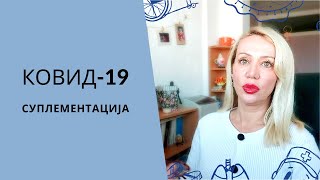
Vitamin C may reduce the duration of mechanical ventilation in critically ill patients: a meta-regression analysis. This video discusses recent research on vitamin C's potential therapeutic benefits for severe COVID-19…

In the absence of vaccines and proper treatment of Covid19 supplements are an important tool against the disease. This video reviews which vitamins, minerals, and doses may help prevent or mitigate disease progression…
RT @UzunDr: Bu yanlış bir algı. Sitokin fırtınası bağışıklığin fazla çalışmasından değil, doğru calışmamasından yönünü saşırmasından dolayı…
RT @UzunDr: Bu yanlış bir algı. Sitokin fırtınası bağışıklığin fazla çalışmasından değil, doğru calışmamasından yönünü saşırmasından dolayı…
RT @UzunDr: Bu yanlış bir algı. Sitokin fırtınası bağışıklığin fazla çalışmasından değil, doğru calışmamasından yönünü saşırmasından dolayı…
RT @UzunDr: Bu yanlış bir algı. Sitokin fırtınası bağışıklığin fazla çalışmasından değil, doğru calışmamasından yönünü saşırmasından dolayı…
RT @UzunDr: Bu yanlış bir algı. Sitokin fırtınası bağışıklığin fazla çalışmasından değil, doğru calışmamasından yönünü saşırmasından dolayı…
RT @UzunDr: Bu yanlış bir algı. Sitokin fırtınası bağışıklığin fazla çalışmasından değil, doğru calışmamasından yönünü saşırmasından dolayı…
RT @UzunDr: Bu yanlış bir algı. Sitokin fırtınası bağışıklığin fazla çalışmasından değil, doğru calışmamasından yönünü saşırmasından dolayı…
Bu yanlış bir algı. Sitokin fırtınası bağışıklığin fazla çalışmasından değil, doğru calışmamasından yönünü saşırmasından dolayı ortaya çıkar. Hem C hem D vitaminin viral enfeksiyonlarda bahsettiginiz durumları tam tersi azaltır. https://t.co/5IXe3NqBXB https://t.co/IpTwJCzkkX
RT @Alzhacker: 高用量の静脈内ビタミンCは、重度のSARS-CoV-2感染におけるサイトカインストームに役立つ可能性がある。 我々の知る限り経口製剤では同じ効果を発揮することはできない。 https://t.co/41qnvM57M1
RT @Alzhacker: 高用量の静脈内ビタミンCは、重度のSARS-CoV-2感染におけるサイトカインストームに役立つ可能性がある。 我々の知る限り経口製剤では同じ効果を発揮することはできない。 https://t.co/41qnvM57M1
RT @Alzhacker: 高用量の静脈内ビタミンCは、重度のSARS-CoV-2感染におけるサイトカインストームに役立つ可能性がある。 我々の知る限り経口製剤では同じ効果を発揮することはできない。 https://t.co/41qnvM57M1
RT @Alzhacker: 高用量の静脈内ビタミンCは、重度のSARS-CoV-2感染におけるサイトカインストームに役立つ可能性がある。 我々の知る限り経口製剤では同じ効果を発揮することはできない。 https://t.co/41qnvM57M1
RT @Alzhacker: 高用量の静脈内ビタミンCは、重度のSARS-CoV-2感染におけるサイトカインストームに役立つ可能性がある。 我々の知る限り経口製剤では同じ効果を発揮することはできない。 https://t.co/41qnvM57M1
RT @Alzhacker: 高用量の静脈内ビタミンCは、重度のSARS-CoV-2感染におけるサイトカインストームに役立つ可能性がある。 我々の知る限り経口製剤では同じ効果を発揮することはできない。 https://t.co/41qnvM57M1
RT @Alzhacker: 高用量の静脈内ビタミンCは、重度のSARS-CoV-2感染におけるサイトカインストームに役立つ可能性がある。 我々の知る限り経口製剤では同じ効果を発揮することはできない。 https://t.co/41qnvM57M1
RT @Alzhacker: 高用量の静脈内ビタミンCは、重度のSARS-CoV-2感染におけるサイトカインストームに役立つ可能性がある。 我々の知る限り経口製剤では同じ効果を発揮することはできない。 https://t.co/41qnvM57M1
高用量の静脈内ビタミンCは、重度のSARS-CoV-2感染におけるサイトカインストームに役立つ可能性がある。 我々の知る限り経口製剤では同じ効果を発揮することはできない。 https://t.co/41qnvM57M1
https://t.co/yKtIxHIJZU
doi:10.1186/ s13054-020-03228-3 16. Gasparello J., D'Aversa E., Papi C. et al.Sulforaphane inhibits the expression of interleukin-6 and interleukin-8 ...
doi: 10.1186/s13054-020-03228-3 administration in severe sepsis and septic shock? Crit Care. (2015) 120. Feyaerts AF, Luyten W. Vitamin C as prophylaxis and ...