Anesthesiology May 2021 PMID 33684203

Neurons in the Nonhuman Primate Amygdala and Dorsal Anterior Cingulate Cortex Signal Aversive Memory Formation under Sedation.

Nir Samuel, Eilat Kahana, Aryeh Taub, Tamar Reitich-Stolero, Rony Paz, Aeyal Raz

Mentions

2
Peak: 2 in Apr 2021
across 2 sources since Apr 2021

Extended reach

5,186
potential audience

Total likes

3

Video views

317

Mentions per month

Apr 2021

All 2 dated mentions so far are from Apr 2021.

Where it's discussed

  • X / Twitter1 posts
  • YouTube1 videos

AI synopsis

What people are saying

Many discussions reference the study's focus on neural responses during aversive memory formation under sedation, with phrases like 'neural signals of aversive memories' and 'brain circuitry remains active,' reflecting a strong interest in the biological processes. The tone is analytical and curious, with some considering the future implications of the work, emphasizing its importance but without overhyping its immediate real-world impact.

AgreementModerate agreement

Most discussions acknowledge the significance of neural signals in aversive memory formation under sedation, showing general agreement with the publication's findings.

InterestHigh interest

Posts demonstrate high curiosity and enthusiasm about the research, often highlighting the implications for understanding brain activity and memory mechanisms.

EngagementModerate engagement

Users engage by analyzing methods and potential applications, indicating a moderate level of deep involvement with the topic.

ImpactModerate impact

While some recognize the scientific importance, others see the research as contributing to broader fields like neuroscience and medical understanding, though the overall perceived impact remains moderate.

Abstract in brief

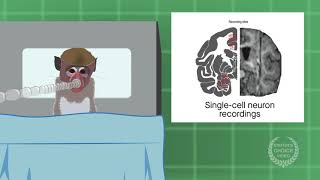
  • The study found that neurons in the amygdala and dorsal anterior cingulate cortex are involved in forming aversive memories even under sedation with ketamine or midazolam, suggesting this brain circuitry remains active during sedation.
  • Neural responses during the learning phase were stronger in sessions where the monkeys later retained the aversive memory, indicating that initial neural activity predicts whether a memory will be formed and retained.
  • The change in neural firing rates in the amygdala was linked to the strength of the conditioned respiratory response observed during retention, highlighting the role of these brain areas in linking neural activity to behavioral memory of the aversive stimulus.

Top posts

Most liked on X and Bluesky
#RaviVisvesvarayaSharadaPrasad #Telecom #InfoTech
@rvp · X

#RaviVisvesvarayaSharadaPrasad Neural signals of aversive memory formation under anesthesia https://t.co/jiMKZmwpO3 Research Square 4dGD47YLRDE UC1lsA2tXfX8cmdxDJigdoRQ

Apr 7, 2021 · 4,870 followers View post →
All mentions

#RaviVisvesvarayaSharadaPrasad #Telecom #InfoTech
@rvp · X

#RaviVisvesvarayaSharadaPrasad Neural signals of aversive memory formation under anesthesia https://t.co/jiMKZmwpO3 Research Square 4dGD47YLRDE UC1lsA2tXfX8cmdxDJigdoRQ

Apr 7, 2021 · 4,870 followers View post →