The discussions reflect generally positive interest in the new perspective on OMT for sleep apnea, with comments like 'promising approach' and references to how it might help reduce symptoms, signaling moderate engagement without extreme enthusiasm. The tone remains clinical and curious, highlighting an awareness of the research's relevance but stopping short of firm endorsements or critiques.
AgreementModerate agreement
Most discussions agree that the article presents promising perspectives on OMT's role in treating OSA, with some emphasizing its potential benefits supported by current research.
InterestModerate interest
The discussions show moderate interest, with commenters curious about the therapy's effectiveness and future applications, but not deeply passionate or critical.
EngagementModerate engagement
Participants reference the article’s focus on pathophysiology and treatment integrations, suggesting a balanced level of engagement, such as mentioning specific mechanisms and results.
ImpactNeutral impact
While the conversations reflect an awareness of the therapy's potential, there is little evidence of widespread or immediate implications; the impact is acknowledged but not exaggerated.
Abstract in brief
Obstructive sleep apnea (OSA) is a complex disorder caused by factors like airway collapse and weak muscle responses, which makes choosing the right treatment challenging.
Orofacial Myofunctional Therapy (OMT) involves exercises to strengthen and coordinate the muscles around the mouth and throat, helping improve breathing and reduce sleep apnea symptoms, especially when traditional treatments are not effective.
Research shows OMT can decrease snoring, improve sleep quality, and prevent residual issues after surgeries or use of devices like CPAP, but more studies are needed to confirm its effectiveness in different treatment combinations.]
#mdpiMedicina - Have a look at the top cited paper
''Orofacial Myofunctional Therapy in Obstructive Sleep Apnea Syndrome: A Pathophysiological Perspective''
More Info At: https://t.co/dBaq4DJXwu
#mdpiMedicina - Have a look at the top cited paper
''Orofacial Myofunctional Therapy in Obstructive Sleep Apnea Syndrome: A Pathophysiological Perspective''
More Info At: https://t.co/dBaq4DJXwu
The Pharynx in singing acts as a collapsible tube managing airflow and protecting the lungs. This video explores its musculature, mechanical reactions, and exercises for opening and managing the throat to enhance vocal…
The pharynx is a collapsible tube regulating airflow and swallowing. It reacts mechanically to air flow and involves muscles like the genioglossus and sternocleidomastoid, impacting voice production and breathing, with…
#mdpiMedicina - Have a look at the top cited paper
''Orofacial Myofunctional Therapy in Obstructive Sleep Apnea Syndrome: A Pathophysiological Perspective''
More Info At: https://t.co/dBaq4DJXwu
#mdpiMedicina - Have a look at the top cited paper
''Orofacial Myofunctional Therapy in Obstructive Sleep Apnea Syndrome: A Pathophysiological Perspective''
More Info At: https://t.co/dBaq4DJXwu
 MM
MM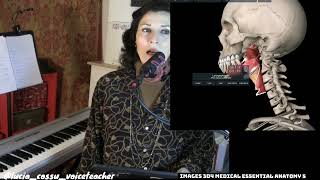

 RR
RR