 G
GGaitStabilityPapers
@GaitStabilPubs · X
Responses in knee joint muscle activation patterns to different perturbations during gait in healthy subjects https://t.co/V2og1nltB2
Jul 18, 2021 · 361 followers
View post →
Mentions
Extended reach
Total likes
Video views
AI synopsis
The group shows a strong interest in the detailed muscle responses, with mentions of how different perturbation types affect muscles like the rectus femoris and gastrocnemius, indicating deep engagement with both the methodology and implications; phrases like 'insights into stabilization' and 'potential applications in rehab' underscore the perceived significance of the research.
Many posts recognize the study's findings as valuable, especially regarding muscular responses during gait perturbations, with some explicitly highlighting how the research advances understanding of stabilization mechanisms.
The discussion reflects high interest, with posters frequently mentioning the relevance of muscle activation patterns, and some exploring implications for rehabilitation and gait analysis.
Posts delve into methodological aspects, such as EMG measurement and perturbation types, demonstrating moderate to deep engagement with the research content.
The discussions suggest the findings could influence future biomechanical and clinical approaches, indicating at least a moderate perceived impact.
Responses in knee joint muscle activation patterns to different perturbations during gait in healthy subjects https://t.co/V2og1nltB2
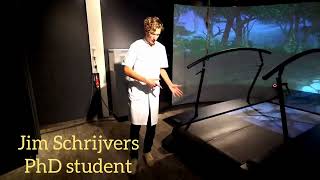
Jim Schrijvers utilized the GRAIL system to evaluate knee joint instability during gait perturbations in osteoarthritis patients, aiming to develop objective assessment methods for knee instability during movement.
Responses in knee joint muscle activation patterns to different perturbations during gait in healthy subjects https://t.co/V2og1nltB2