Discussions reflect a general interest in the research’s implications, with examples like questioning whether the post-exhalation pause serves as an anxiolytic and debating the relevance of specific breathing patterns, showing thoughtful engagement and interest in applying the findings to therapeutic contexts.
AgreementModerate agreement
Most discussions acknowledge the validity of the study, with some questioning specific interpretations, indicating overall leaning towards agreement.
InterestModerate interest
Participants show curiosity about breathing techniques and their effects, demonstrating moderate interest.
EngagementModerate engagement
People reference the methodology (exhalation ratios) and potential applications, indicating active engagement.
ImpactModerate impact
Thoughts are centered on practical implications for health and therapy, suggesting perceived moderate impact.
Abstract in brief
HRV is a key indicator of cardiac and emotional health, reflecting the balance of the autonomic nervous system's sympathetic and parasympathetic activity.
A study tested the effect of a longer exhalation duration (2:1 ratio) versus an equal exhalation/inhalation duration (1:1 ratio) on HRV metrics in healthy individuals.
Results showed that longer exhalation led to higher HRV measurements, indicating improved parasympathetic activity and cardiac vagal tone post-exhalation manipulation.
@matcorrear Hola Matías! La habilidad TIP de DBT es con pausa post INHALACIÓN? He escuchado ese esquema en otros lados, y me parece incoherente con evidencia que muestra que sería la pausa post EXHALACIÓN la ansiolítica (ej. https://t.co/DobnIt5UPM) . ¿Cómo se entiende esa contradicción
Nov 24, 2023 · 1 like · 2,505 followersView post →
CA
Candice Esposito | The Quantum Alchemist™
@CandiceND · X
Bae, D., Matthews, J., Chen, J. J., & Mah, L. (2021). Increased exhalation to inhalation ratio during breathing enhances high-frequency heart rate variability in healthy adults. Psychophysiology, 58(11), e13905. https://t.co/eEeaVUId3W
Practice paced breathing with longer exhalations to activate your relaxation response. This method improves heart rate variability, reduces stress, and promotes better sleep by enhancing parasympathetic nervous system…
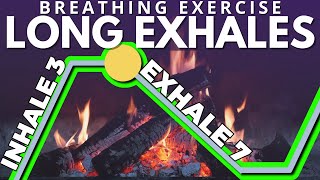
This paced breathing exercise with longer exhalations activates the parasympathetic nervous system, promoting relaxation and reducing anxiety. The pattern involves inhaling for 4 seconds and exhaling for 6 seconds to…
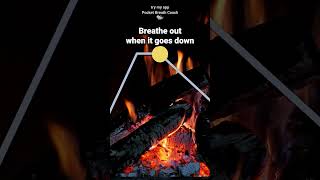
Try my app Pocket Breath Coach httpspocketbreathcoachcom Customize the breathing pattern listen while using other apps set sleep timers and more. Exhaling longer than inhaling activates the parasympathetic nervous…
Try my app Pocket Breath Coach httpspocketbreathcoachcom Customize the breathing pattern listen while using other apps set sleep timers and more. Exhale is longer than the inhale to activate your relaxation system…
Slow down your breathing by focusing on a longer exhalation. Extended exhale breathing has been found to increase heart rate variability and promote relaxation through nervous system regulation.
Bae, D., Matthews, J., Chen, J. J., & Mah, L. (2021). Increased exhalation to inhalation ratio during breathing enhances high-frequency heart rate variability in healthy adults. Psychophysiology, 58(11), e13905. https://t.co/eEeaVUId3W
@matcorrear Hola Matías! La habilidad TIP de DBT es con pausa post INHALACIÓN? He escuchado ese esquema en otros lados, y me parece incoherente con evidencia que muestra que sería la pausa post EXHALACIÓN la ansiolítica (ej. https://t.co/DobnIt5UPM) . ¿Cómo se entiende esa contradicción
Nov 24, 2023 · 1 like · 2,505 followersView post →
 RF
 CA