Discussions highlight the resource’s comprehensive and continually updated nature, with mentions of its value for conservation and research; tone emphasizes its significance with phrases like 'crucial tool' and 'game-changing for plant diversity studies,' reflecting enthusiasm and recognition of impact.
AgreementModerate agreement
Most discussants recognize the importance and reliability of the resource, supporting its role in advancing plant research.
InterestHigh interest
Discussions show high enthusiasm and curiosity about the database's utility and comprehensive nature.
EngagementModerate engagement
Participants reference specific aspects like data validation, updates, and global collaboration, indicating active participation.
ImpactModerate impact
The portrayal of the resource as a key tool suggests it could significantly influence plant science, biodiversity conservation, and international research efforts.
Abstract in brief
The World Checklist of Vascular Plants (WCVP) is a comprehensive, continuously updated online database that lists scientifically described plant species, developed over 40 years through expert review of scientific literature, databases, herbaria, and observations.
WCVP is a key resource for plant research, conservation, and sustainable use, providing access to browsing, searching, downloading data, and detailed information on accepted species, synonyms, and bibliographic references, ensuring data transparency and quality through strict validation and international standards.
The resource aims to promote data sharing and reuse among researchers and global initiatives like GBIF and World Flora Online by documenting its data collection processes, structure, and updates, while also responding to common user questions to maximize utility and scientific accuracy.]
@uluwehi_knecht Govaerts, R., Nic Lughadha, E., Black, N., Turner, R. & Paton, A. (2021). The World Checklist of Vascular Plants, a continuously updated resource for exploring global plant diversity. https://t.co/d8bXnDOImQ. Scientific Data 8: 215.
----------------
Part 3. Amomum compactum is a perennial herb used as a spice, with underground rhizome, upright pseudostems, and dark green, shiny leaves. The inflorescences emerge from the rhizome, featuring long stalks and distinct…
Learn how to distinguish between Thanksgiving, Christmas, and Easter Cacti. This video offers essential care tips for your holiday or crab cactus to ensure healthy growth and flowering.
Dlium Keji beling Strobilanthes crispa is a species of plant in the Acanthaceae family, characterized by upright woody stems that grow up to 12 meters. It has lanceolate leaves with serrated edges, compound…
Part 3 covers the plant's botanical description, including its aromatic rhizomes, pseudostems, leaves, and inflorescences, alongside its culinary and herbal uses. The detailed characteristics highlight its importance in…
Dlium Navli Camonea vitifolia is a herbaceous climbing plant up to 4 meters long, with cylindrical stems and white hairs. It has palmate leaves, bright yellow funnel-shaped flowers, and grows along forests and…
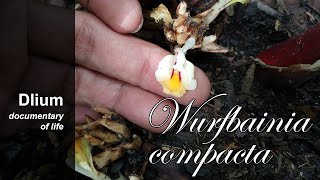
Part 2 httpswwwyoutubecomwatchvMB15pkDnglM Part 1 httpswwwyoutubecomwatchvq5z9mGAhoo Dlium Cardamom or Java cardamom Wurfbainia compacta is a perennial herb with aromatic rhizomes, used as a spice and herbal ingredient…
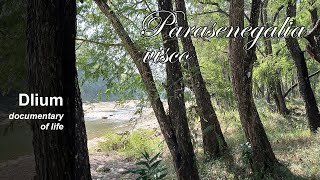
Parasenegalia visco is a perennial tree species with fragrant flowers that grows at elevations of 300 to 1000 meters, found in forests, riverbanks, and plantations. Its wood is used in furniture making, and it plays a…
Dlium Palem unipa, also known as pinang unipa or unipa palm, is a slender, solitary palm species reaching up to 12 meters. It features a smooth, shiny green crownshaft, pinnate leaves with multiple folds, and detailed…
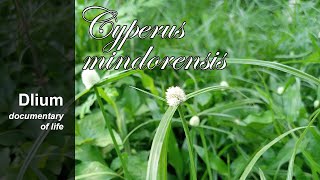
Dlium Whitehead spikesedge Cyperus mindorensis is a species of plant in the Cyperaceae family, characterized by upright green herbaceous rhizomes, fibrous roots, and ribbon-shaped leaves. This video provides an overview…
Dlium Snake climber Phanera scandens is a plant species in the Fabaceae herbaceous climbing or spreading on the ground. This species grows on forest floors, canopies, agroforestry areas, fields, and roadsides, featuring…
@uluwehi_knecht Govaerts, R., Nic Lughadha, E., Black, N., Turner, R. & Paton, A. (2021). The World Checklist of Vascular Plants, a continuously updated resource for exploring global plant diversity. https://t.co/d8bXnDOImQ. Scientific Data 8: 215.
----------------