Symbiosis papers
@Symbiosispapers · X
Phosphorothioate-DNA bacterial diet reduces the ROS levels in C. elegans while improving locomotion and longevity https://t.co/tvKYkhSPsm
Nov 26, 2021 · 1,109 followers
View post →
Mentions
Extended reach
Total likes
Video views
AI synopsis
The discussions demonstrate high agreement with the study, with posters highlighting key results like reduction of ROS and increased lifespan, using words such as 'promising' and 'significant.' They also delve into molecular mechanisms, referring to gene expression changes, which reflects deeper engagement and a recognition of the potential impact of the research.
Both posts strongly agree with the publication's findings, emphasizing the positive effects of the phosphorothioate-DNA diet on aging and health benefits in C. elegans.
The discussion shows genuine curiosity, as posters mention mechanisms and potential applications, though the overall engagement remains moderate.
Posts reflect some depth by referencing ROS levels, locomotion, and gene expression changes, indicating thoughtful engagement with the research.
The discussion suggests that the findings could have significant implications for aging research and possibly broader therapeutic strategies, indicating a high impact perception.
Phosphorothioate-DNA bacterial diet reduces the ROS levels in C. elegans while improving locomotion and longevity https://t.co/tvKYkhSPsm
Phosphorothioate-DNA bacterial diet reduces the ROS levels in C. elegans while improving locomotion and longevity https://t.co/i2JdWmajbn
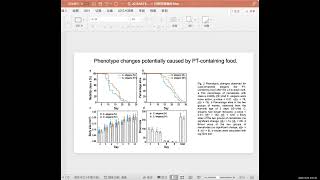
Feeding C. elegans with phosphorothioate DNA bacteria reduces ROS levels, decreases lipofuscin accumulation, and improves movement and stress resistance, leading to a lifespan increase of about 21%. RNAseq analysis…

Feeding C. elegans with phosphorothioate DNA bacteria reduces ROS levels, decreases lipofuscin accumulation, and improves movement and stress resistance, leading to a lifespan increase of 21%. RNA analysis shows…
Phosphorothioate-DNA bacterial diet reduces the ROS levels in C. elegans while improving locomotion and longevity https://t.co/i2JdWmajbn
Phosphorothioate-DNA bacterial diet reduces the ROS levels in C. elegans while improving locomotion and longevity https://t.co/tvKYkhSPsm