The overall tone reflects a cautious interest in insect sting-related fatalities, with comments like recognizing the increase in non-native species and their health impacts, but many discussions remain surface-level, focusing on sharing the publication's existence rather than detailed analysis or debate.
AgreementModerate agreement
Most discussions recognize the validity and importance of the research findings related to fatalities from insect stings.
InterestModerate interest
The discussions show moderate interest, highlighting new concerns about expanding species and regional risks without deep emotional investment.
EngagementNeutral engagement
While some posts mention specific details like the expansion of non-native species, many are brief and lack in-depth analysis, indicating moderate engagement.
ImpactModerate impact
Participants acknowledge the potential implications for public health and allergist awareness, suggesting a recognition of the study’s significance.
Abstract in brief
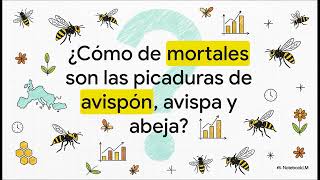
Between 1994 and 2016, there were 1,691 deaths in Europe caused by hornet, wasp, and bee stings, with the majority occurring in Germany, France, and Romania.
Most fatalities were among males aged 25-64, with Eastern European countries showing higher mortality rates compared to Western, Northern, and Southern Europe.
The data indicates that insect sting-related deaths are relatively rare, but ongoing changes in insect species distribution across Europe suggest a need for more detailed regional studies to better understand associated risks.
Feb 11, 2025 · 4 likes · 2 shares · 328 followersView post →
BM
Biology MDPI
@Biology_MDPI · X
What We Know about Sting-Related Deaths? Human Fatalities Caused by Hornet, Wasp and Bee Stings in Europe (1994–2016) https://t.co/mquKQQVTWi via @Biology_MDPI @UniversidadeUSC
#Hymenoptera #insect #bee #wasp #hornet #epidemiology #fatalities #venomous_animals #publichealth https://t.co/L46Diekxne
Feb 11, 2022 · 3 likes · 2,243 followersView post →
PO
Preprints.org
@Preprints_org · X
What We Know About Sting-Related Deaths? Human Fatalities Caused by Hornet, Wasp and Bee Stings in Europe (1994-2016) https://t.co/QuABuVharG #MedPreprints #PharmaPreprints #PreprintsOrg
Dec 30, 2021 · 1 like · 1 share · 4,003 followersView post →
A
ADEPAP
@ADEPAPcat · X
¿Qué sabemos sobre las muertes por picaduras? Muertes humanas causadas por picaduras de avispas, avispones y abejas en Europa (1994-2016)
#adepap #salud #sanidadambiental #controldeorganismosnocivos #controldeplagas
https://t.co/oExiqb1YO3
With the expansion of not-native Hymenopteran species across Europe, such as the Vespa velutina, allergists should be aware that their community’s exposures are continually changing and include these insects as causes of sting-related allergic reactions. https://t.co/sBAHyWApXk
What We Know about Sting-Related Deaths? Human Fatalities Caused by Hornet, Wasp and Bee Stings in Europe (1994-2016) https://t.co/qhRqWadbxl #snakebite
This video explores the often misunderstood world of wasps, addressing common fears and misconceptions. It aims to provide an informative perspective on their behavior and importance in ecosystems, encouraging…
Between 1994 and 2016, 1,691 deaths occurred in Europe due to hornet, wasp, and bee stings. Most fatalities were among adult men, with higher rates in Eastern Europe. The study highlights changing insect distributions…
What We Know about Sting-Related Deaths? Human Fatalities Caused by Hornet, Wasp and Bee Stings in Europe (1994–2016) https://t.co/soDcIceibR #mdpibiology a través de @Biology_MDPI
¿Qué sabemos sobre las muertes por picaduras? Muertes humanas causadas por picaduras de avispas, avispones y abejas en Europa (1994-2016)
#adepap #salud #sanidadambiental #controldeorganismosnocivos #controldeplagas
https://t.co/oExiqb1YO3
Feb 11, 2025 · 4 likes · 2 shares · 328 followersView post →
XF
xesús feás
@xesus_feas · X
With the expansion of not-native Hymenopteran species across Europe, such as the Vespa velutina, allergists should be aware that their community’s exposures are continually changing and include these insects as causes of sting-related allergic reactions. https://t.co/sBAHyWApXk
What We Know about Sting-Related Deaths? Human Fatalities Caused by Hornet, Wasp and Bee Stings in Europe (1994-2016) https://t.co/FGOcamuEJ8 #snakebite
What We Know about Sting-Related Deaths? Human Fatalities Caused by Hornet, Wasp and Bee Stings in Europe (1994-2016) https://t.co/atJu0lbyJX #snakebite
What We Know about Sting-Related Deaths? Human Fatalities Caused by Hornet, Wasp and Bee Stings in Europe (1994-2016) https://t.co/YFtMnAR7jb #snakebite
What We Know about Sting-Related Deaths? Human Fatalities Caused by Hornet, Wasp and Bee Stings in Europe (1994-2016) https://t.co/Og4wYfqY3o #snakebite
What We Know about Sting-Related Deaths? Human Fatalities Caused by Hornet, Wasp and Bee Stings in Europe (1994-2016) https://t.co/WFFsCMbdcl #snakebite
What We Know about Sting-Related Deaths? Human Fatalities Caused by Hornet, Wasp and Bee Stings in Europe (1994-2016) https://t.co/9XL28jbDbc #snakebite
What We Know about Sting-Related Deaths? Human Fatalities Caused by Hornet, Wasp and Bee Stings in Europe (1994-2016) https://t.co/qhRqWadbxl #snakebite
Our new paper entitled "What We Know About Sting-Related Deaths? Human Fatalities Caused by Hornet, Wasp and Bee Stings in Europe (1994-2016)" has been just published. @Biology_MDPI
https://t.co/soDcIceibR https://t.co/ckZiRSCtyy
What We Know about Sting-Related Deaths? Human Fatalities Caused by Hornet, Wasp and Bee Stings in Europe (1994–2016) https://t.co/mquKQQVTWi via @Biology_MDPI @UniversidadeUSC
#Hymenoptera #insect #bee #wasp #hornet #epidemiology #fatalities #venomous_animals #publichealth https://t.co/L46Diekxne
Feb 11, 2022 · 3 likes · 2,243 followersView post →
XF
xesús feás
@xesus_feas · X
✒ Our @Preprints_org "What We Know About Sting-Related Deaths? Human Fatalities Caused by Hornet, Wasp and Bee Stings in Europe (1994-2016)" is now available at: https://t.co/T6jt2C1sr5 https://t.co/PpNBpA85Ne
What We Know About Sting-Related Deaths? Human Fatalities Caused by Hornet, Wasp and Bee Stings in Europe (1994-2016) https://t.co/QuABuVharG #MedPreprints #PharmaPreprints #PreprintsOrg
Dec 30, 2021 · 1 like · 1 share · 4,003 followersView post →
 XF
 BM
 PO
 A
 SP

 CZ