 D
D@CaryDavid722 @BurgerLab12 @adiosmuchachos4 @mass_rising @Lorenzo7127 @BeckyJohnson222 @davideyoungmd @iXeno @hotmessmouse @dirk_fasshauer @AstroTurfTears @DopplerEffect93 @tenebra99 @webb0412 @TheDrJon @ErinHNN @BGLTHMND @epigeneticallyj @cappsie @higgsri @jtmayes3 @Scary7Dr @Earthdriver @ChrisJohnsonMD @SkepticalMutant @PatrickSquirrel @exohalophiles @DemsRRacePimps @BlueLionBlog @FillmoreWhite @CarlSmytheCells @crabb_vicki @Alex_on_A14 @AndrewLazarus4 @ncdave4life @TMGFlorida @Roper_Lab @trillionofcells @ktibus @SecedeFromFools @TorySnyc @RonMortimer3 @lasikeyecenter1 @Hanky1844607 @Awithonelison @NoGlobalist778 @EugeneBu @AcampbelTeacher @EdwardDS15 @VickiCoyle10019 Incorrect. In the past, autism was diagnosed at age 2-3 due to emerging speech and language delays at that age. Now, autistic traits are being observed in 6-12 mo old infants due to differences in mimicry, babbling, ges
Emerging signs of autism spectrum disorder in infancy: Putative neural substrate.
Mentions
Extended reach
Total likes
Video views
Mentions per month
Jul 2022 – Aug 2025Where it's discussed
-
X / Twitter10 posts
-
YouTube2 videos
AI synopsis
What people are saying
This collection of discussions emphasizes the importance of early neural markers for ASD, with participants referencing transient brain structures and developmental signs, demonstrating curiosity and support through words like 'emerging signs' and 'putative neural substrate.' Their tone ranges from supportive to inquisitive, indicating both recognition of significance and deeper engagement with the subject matter.
Most discussions acknowledge the significance of early signs of ASD and support the research findings about neural substrates, indicating a general agreement with the article's conclusions.
Participants show high curiosity and engagement, frequently mentioning specific brain structures and early developmental signs, demonstrating strong interest.
Comments often involve referencing mechanisms, implications, or potential for early diagnosis, reflecting a moderate level of detailed engagement.
The discussions highlight the importance of early detection and understanding neural mechanisms, suggesting that the article could influence future research and diagnostic approaches.
Abstract in brief
- Autism spectrum disorder (ASD) involves atypical development in key brain areas like the frontotemporoparietal cortex and cerebellum, which are crucial for social communication and movement planning.
- Early signs of ASD typically appear between 6 and 12 months of age and include reduced social interaction, less advanced motor skills, and repetitive behaviors.
- The paper suggests that abnormal development or delayed dissolution of temporary brain structures during the first year may contribute to the emergence of these early ASD signs.
Top posts
Most liked on X and Bluesky MP
MPAtypical development of transient brain structure controlling sensory responsivity may lead to #autism https://t.co/1qkEnh0p1Q
#DMCNPlainLanguageSummary Emerging signs of #autism spectrum #disorder in #infancy: Putative neural substrate https://t.co/TsLk5EjPk8
 PB
PBPubMed: Emerging signs of autism spectrum disorder in infancy: Putative neural substrate https://t.co/0dfOTUbisO
Emerging signs of autism spectrum disorder in infancy: Putative neural substrate https://t.co/iCh6NwTDWB
#DMCNpodcast Emerging signs of #autismspectrumdisorder in infancy: putative neural substrate #Autism #ASD https://t.co/Tavk3E1YUL
All mentions
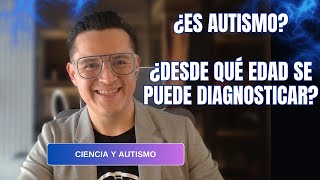
Early Signs of Autism in Children Parents Should Recognize

Early Neural Indicators of Autism Spectrum Disorder in Infancy
This video explores early signs of autism in infants, focusing on atypical development in brain areas like the frontotemporoparietal cortex and cerebellum, and how abnormal development during the first year may…
@CaryDavid722 @BurgerLab12 @adiosmuchachos4 @mass_rising @Lorenzo7127 @BeckyJohnson222 @davideyoungmd @iXeno @hotmessmouse @dirk_fasshauer @AstroTurfTears @DopplerEffect93 @tenebra99 @webb0412 @TheDrJon @ErinHNN @BGLTHMND @epigeneticallyj @cappsie @higgsri @jtmayes3 @Scary7Dr @Earthdriver @ChrisJohnsonMD @SkepticalMutant @PatrickSquirrel @exohalophiles @DemsRRacePimps @BlueLionBlog @FillmoreWhite @CarlSmytheCells @crabb_vicki @Alex_on_A14 @AndrewLazarus4 @ncdave4life @TMGFlorida @Roper_Lab @trillionofcells @ktibus @SecedeFromFools @TorySnyc @RonMortimer3 @lasikeyecenter1 @Hanky1844607 @Awithonelison @NoGlobalist778 @EugeneBu @AcampbelTeacher @EdwardDS15 @VickiCoyle10019 Incorrect. In the past, autism was diagnosed at age 2-3 due to emerging speech and language delays at that age. Now, autistic traits are being observed in 6-12 mo old infants due to differences in mimicry, babbling, ges
 S
SRT @mackeithpress: #DMCNPlainLanguageSummary Emerging signs of #autism spectrum #disorder in #infancy: Putative neural substrate https://t.…
 BD
BDRT @mackeithpress: #DMCNPlainLanguageSummary Emerging signs of #autism spectrum #disorder in #infancy: Putative neural substrate https://t.…
#DMCNPlainLanguageSummary Emerging signs of #autism spectrum #disorder in #infancy: Putative neural substrate https://t.co/TsLk5EjPk8
Emerging signs of autism spectrum disorder in infancy: Putative neural substrate https://t.co/iCh6NwTDWB
 AH
AHRT @mackeithpress: Atypical development of transient brain structure controlling sensory responsivity may lead to #autism https://t.co/1qkE…
RT @mackeithpress: Atypical development of transient brain structure controlling sensory responsivity may lead to #autism https://t.co/1qkE…
Atypical development of transient brain structure controlling sensory responsivity may lead to #autism https://t.co/1qkEnh0p1Q
#DMCNpodcast Emerging signs of #autismspectrumdisorder in infancy: putative neural substrate #Autism #ASD https://t.co/Tavk3E1YUL
PubMed: Emerging signs of autism spectrum disorder in infancy: Putative neural substrate https://t.co/0dfOTUbisO