The discussions reflect a balanced view, with many posts emphasizing the promising role of astaxanthin in managing neuroinflammation, such as references to its antioxidant properties and mechanisms like reducing oxidative stress. Words like 'potential', 'promising', and 'future research' highlight both enthusiasm and recognition of the need for further validation, demonstrating moderate engagement with the implications of the study.
AgreementModerate agreement
Most discussions acknowledge the potential benefits of astaxanthin in neuroinflammation, indicating general support for the research.
InterestModerate interest
Participants show a moderate level of curiosity and engagement, often referencing the therapeutic possibilities.
EngagementModerate engagement
Posts include mentions of mechanisms, safety, and future research needs, reflecting thoughtful engagement.
ImpactModerate impact
The collective tone suggests that the publication could influence ongoing research and therapeutic strategies, but the overall impact remains cautiously optimistic.
Abstract in brief
Neuroinflammation helps protect the brain but can cause damage if it lasts too long, which is linked to neurological diseases, and natural compounds like astaxanthin might help treat these conditions.
Astaxanthin is a natural antioxidant that can protect brain cells by reducing oxidative stress, inflammation, and maintaining the blood-brain barrier, primarily through activating antioxidant pathways and suppressing inflammatory signals.
Due to its safety and effectiveness, astaxanthin shows promising potential for managing neuroinflammation, but more research is needed to fully understand its mechanisms and optimize its therapeutic use.]
New Research: The Putative Role of Astaxanthin in Neuroinflammation Modulation: Mechanisms and Therapeutic Potential https://t.co/r0ALL5ekdp #pharmacology
Jun 24, 2022 · 1 like · 6,114 followersView post →
B
bonsaton
@bonsaton1 · X
https://t.co/eCDLie28pl
The Putative Role of Astaxanthin in Neuroinflammation Modulation: Mechanisms and Therapeutic Potential https://t.co/QO2BKUv8IU
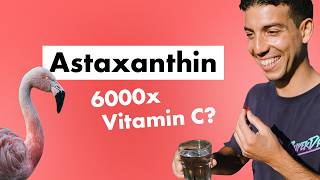
In a groundbreaking study, astaxanthin was shown to extend lifespan by 12% in genetically diverse UM-HET3 male mice. This video explores the science behind astaxanthin, its optimal dosage, and the significant results…
Astaxanthin, a natural antioxidant found in microalgae and seafood, protects cells from oxidative damage and inflammation. It may improve cognitive function, lipid profiles, and help manage neuroinflammation, showing…
New Research: The Putative Role of Astaxanthin in Neuroinflammation Modulation: Mechanisms and Therapeutic Potential https://t.co/r0ALL5ekdp #pharmacology
Jun 24, 2022 · 1 like · 6,114 followersView post →
 FT
 B