RECAT
@LeslieMegom · X
Jul 23, 2024 · 114 likes · 53 shares · 36,418 followers
View post →
Mentions
Extended reach
Total likes
Video views
AI synopsis
Discussions reflect a respectful curiosity around the article, with some expressions of doubt about the safety and outcomes of APRV, such as the comment about adjusting the ventilation method and safety concerns, indicating that the publication prompts critical thinking but has not fully convinced skeptics. The tone is cautious, balancing acknowledgment of new research with lingering reservations.
Most discussions acknowledge the publication’s effort to clarify misconceptions, with one expressing ongoing skepticism about the safety and effectiveness of APRV.
Participants show moderate interest, as they reference new research and share some curiosity, but there’s limited deep exploration of the topic.
Comments include retweets and brief critiques, indicating some level of sharing and discussion but not extensive debate or detailed analysis.
The discussion hints at potential influence on clinical practice by highlighting myths and encouraging practitioners to re-evaluate their perspectives, though actual impact remains uncertain.
Myths and Misconceptions of APRV. I am still not convinced that APRV is easy to adjust (especially in teams with little experience), that working at the elastic limit of the lungs is safe, and especially that it changes outcomes in ARDS. https://t.co/0yTXg7GDmi
New Research: Myths and Misconceptions of Airway Pressure Release Ventilation: Getting Past the Noise and on to the Signal https://t.co/NCO5qdcpPe #Physiology
RT @LeslieMegom:
RT @LeslieMegom:
RT @FrontPhysiol: New Research: Myths and Misconceptions of Airway Pressure Release Ventilation: Getting Past the Noise and on to the Signa…
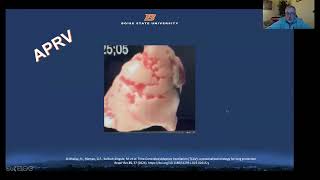
Professor Cappiello and Professor Foreman Starks host our first Medical Literature Club for the 2025 Academic Year, discussing the article on Time-Controlled Adaptive Ventilation (TCAV), a personalized strategy for lung…

By the end of this series, listeners should be able to discuss the physiologic rationale supporting the use of airway pressure release ventilation (APRV) in ARDS, the patient populations that benefit most, and key…

By the end of this series, listeners should be able to discuss the physiologic rationale for airway pressure release ventilation (APRV) in ARDS, identify patient populations most likely to benefit from it, and…
RT @LeslieMegom:
RT @LeslieMegom:
RT @LeslieMegom:
RT @LeslieMegom:
RT @LeslieMegom:
RT @LeslieMegom:
RT @LeslieMegom:
RT @LeslieMegom:
RT @LeslieMegom:
RT @LeslieMegom:
RT @LeslieMegom:
RT @LeslieMegom:
RT @LeslieMegom:
RT @LeslieMegom:
RT @LeslieMegom:
RT @LeslieMegom:
RT @LeslieMegom:
RT @LeslieMegom:
RT @LeslieMegom:
RT @LeslieMegom:
RT @LeslieMegom:
RT @LeslieMegom:
RT @LeslieMegom:
RT @LeslieMegom:
RT @LeslieMegom:
RT @LeslieMegom:
RT @LeslieMegom:
RT @LeslieMegom:
RT @LeslieMegom:
RT @LeslieMegom:
RT @LeslieMegom:
RT @LeslieMegom:
RT @LeslieMegom:
RT @LeslieMegom:
RT @LeslieMegom:
RT @LeslieMegom:
RT @LeslieMegom:
RT @LeslieMegom:
RT @LeslieMegom:
RT @LeslieMegom:
RT @LeslieMegom:
RT @LeslieMegom:
RT @LeslieMegom:
RT @FrontPhysiol: New Research: Myths and Misconceptions of Airway Pressure Release Ventilation: Getting Past the Noise and on to the Signa…
Myths and Misconceptions of APRV. I am still not convinced that APRV is easy to adjust (especially in teams with little experience), that working at the elastic limit of the lungs is safe, and especially that it changes outcomes in ARDS. https://t.co/0yTXg7GDmi
New Research: Myths and Misconceptions of Airway Pressure Release Ventilation: Getting Past the Noise and on to the Signal https://t.co/NCO5qdcpPe #Physiology