 UC
UCUK Cannabis Social C
@UKCannabisClubs · X
@Mendel_Select @DHSCgovuk @CMO_England https://t.co/oo7n8oKsq7
Nov 5, 2024 · 1 like · 8,914 followers
View post →
Mentions
Extended reach
Total likes
Video views
AI synopsis
The overall discussions show a recognition of the research's implications, with comments like 'causes DNA damage' and questions about relevance to health effects, reflecting a cautious interest. The tone is neutral, with some referencing related issues such as vaping safety concerns, but without significant controversy or detailed debate.
Most discussions acknowledge the study’s findings about propylene glycol’s harmful effects, though some emphasize alternative causes like vitamin E acetate in vaping-related illnesses.
Participants exhibit moderate curiosity, especially regarding how this research relates to their work or concerns about vaping health risks.
Interactions are somewhat superficial, with some references to related topics and questioning relevance but little deep analysis.
The discussions hint at health implications but remain largely informational, indicating a moderate perceived significance of the study.
@Mendel_Select @DHSCgovuk @CMO_England https://t.co/oo7n8oKsq7
[1] Propylene glycol, a component of electronic cigarette liquid, damages epithelial cells in human small airways https://t.co/LRWX1AraIX
Cause of #EVALI was determined to be Vit. E Acetate; Propylene Glycol was not implicated. Yet... https://t.co/9zISE9dgI8 (Juntendo University Graduate School of Medicine, Japan) And now we go from
@RachelSEdgar @EmboMolMed Is that relevant to your work? https://t.co/YaGSGxFTkR
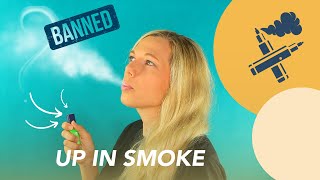
The statistics show its widely popular in teens Australia has new laws banning it and even Andrew Huberman is worried Im talking about Vaping The once hailed better alternative to smoking is getting a bad reputation But…

This study examines how propylene glycol, a common e-cigarette ingredient, damages human airway cells by reducing growth, causing DNA damage, and increasing cell death, especially at higher concentrations. These effects…
[1] Propylene glycol, a component of electronic cigarette liquid, damages epithelial cells in human small airways https://t.co/LRWX1AraIX
@Mendel_Select @DHSCgovuk @CMO_England https://t.co/oo7n8oKsq7
RT @SheliumScience:
@RachelSEdgar @EmboMolMed Is that relevant to your work? https://t.co/YaGSGxFTkR
Cause of #EVALI was determined to be Vit. E Acetate; Propylene Glycol was not implicated. Yet... https://t.co/9zISE9dgI8 (Juntendo University Graduate School of Medicine, Japan) And now we go from
 S
S GP
GP M
M TW
TW