Several posts reference the correlation between the length of time on medication and the severity of withdrawal effects, with users stating things like, 'Length of time on medication correlates with withdrawal effects.' This indicates a clear understanding of the article’s main arguments. The tone is often assertive and collaborative, employing phrases like 'here's some research to consider,' which showcases engagement and a desire to share knowledge within the community.
AgreementModerate agreement
The majority of discussions indicate a general consensus supporting the article's findings about the correlation between the duration of antidepressant use and withdrawal effects.
InterestHigh interest
The discussions reflect a high level of curiosity and relevance regarding antidepressant withdrawal issues, indicating strong engagement with the topic.
EngagementHigh engagement
Many users delve into the details of the research, referencing specific studies and evidence, and actively participate in discussions about the implications of the findings.
ImpactHigh impact
Participants express a belief that the findings of the publication will have significant implications for clinical practices and patients' experiences.
Abstract in brief
The brain can physically adapt to antidepressants, leading to withdrawal symptoms upon stopping use, which is distinct from addiction.
Longer usage, higher doses, and specific types of antidepressants increase the likelihood and severity of these withdrawal effects.
Current research is limited, highlighting the need for more studies to better understand and predict antidepressant withdrawal risks and help inform tapering strategies for patients.
This is false. @JDaviesPhD is correct. Length of time on medication correlates with withdrawal effects. In all analyses on this topic: https://t.co/0JppgprxXa
https://t.co/Ht1QJJhscO Basic neurobiology: longer exposure, greater adaptation, greater withdrawal on stopping. https://t.co/YzHtZd6Bum
In human PET studies reduced sensitivity of 5HT1A receptors are found in 38 out of 40 brain regions looked at up to 6 years (mean 29 months) after antidepressants have been ceased. https://t.co/AUbIfqpsk7 https://t.co/9yCfjhvZfG
Other studies have shown that duration of use has a strong effect on risk of withdrawal and severity of those withdrawal effects. See image where risk of withdrawal (top line) and those who report mod or severe withdrawal tracks with duration of use https://t.co/0Jppgps5MI 5/n https://t.co/QAs9ofFYOi
Jun 5, 2024 · 40 likes · 2 shares · 12,541 followersView post →
MS
Mark Horowitz @markhoro.bsky.social
@markhoro · X
We outlined the animal and human evidence for residual effects of antidepressants on the brain (and hormonal system) after stopping in this paper: https://t.co/AUbIfqpsk7 . Excerpts attached https://t.co/LK0eBrJecq https://t.co/6SuCPBoIqe
Jun 19, 2024 · 40 likes · 8 shares · 12,541 followersView post →
MS
Mark Horowitz @markhoro.bsky.social
@markhoro · X
withdrawal effects (similarly to the results of this meta-analysis), with 19.2% reporting moderate or severe withdrawal effects (Figure 3 in https://t.co/0JppgprxXa ); 6/n
Jun 5, 2024 · 30 likes · 2 shares · 12,541 followersView post →
DM
Dr Joanna Moncrieff
@joannamoncrieff · X
Despite Jauhar, tryptophan depletion effects in patients in the 2007 review are inconsistent, numbers small, heterogeneity significant, and results likely influenced by current or prior use of meds since antidepressant effects can persist https://t.co/39rHwl30Uh 14/28
Jun 26, 2023 · 25 likes · 4 shares · 27,549 followersView post →
This video discusses critical insights into antidepressant withdrawal, including how the brain adapts to these medications. It emphasizes the importance of understanding withdrawal symptoms, the factors that influence…
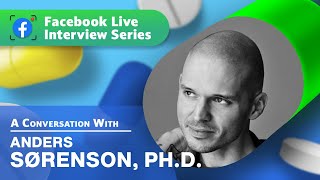
In this insightful interview, clinician Anders Sørensen discusses his research on psychiatric drug withdrawal. He explores how the brain adapts to antidepressants, leading to withdrawal symptoms, and emphasizes the…
In today's video, we discuss our top tips for safely tapering psychotropic medications. The brain can adapt physically to antidepressants, leading to withdrawal symptoms when discontinuing use. Understanding these risks…
@sameerjauhar This is false. @JDaviesPhD is correct. Length of time on medication correlates with withdrawal effects. In all analyses on this topic: https://t.co/0JppgprxXa
https://t.co/Ht1QJJhscO Basic neurobiology: longer exposure, greater adaptation, greater withdrawal on stopping.
This is false. @JDaviesPhD is correct. Length of time on medication correlates with withdrawal effects. In all analyses on this topic: https://t.co/0JppgprxXa
https://t.co/Ht1QJJhscO Basic neurobiology: longer exposure, greater adaptation, greater withdrawal on stopping. https://t.co/YzHtZd6Bum
@RecoveryDoctor Sarcasm works better when delivered with an accurate barb. No conflation: the biological gradient is much stronger with duration than dose. https://t.co/AUbIfqq09F https://t.co/TNJ9wSUXZl
RT @cwestonclark: @allyofthebrave @venetiamenzies @thetimes As far as I know, all classes of antidepressant have the potential to cause wit…
Jun 16, 2025 · 1 share · 1,446 followersView post →
CC
Carrie Clark
@cwestonclark · X
@allyofthebrave @venetiamenzies @thetimes As far as I know, all classes of antidepressant have the potential to cause withdrawal. I'm aware that mirtazipine and paroxetine are among the worst offenders. This article has some stats about different types of antidepressant. https://t.co/FavFBlZi3v
Jun 15, 2025 · 6 likes · 1 share · 1,377 followersView post →
AC
Angie Peacock, MSW, CPC
@angpeacock1111 · X
@NiniBela1 @samziz Some people are allergic to peanut butter and some aren’t. Genetics has evidence that some metabolize these drugs easier than others do. Your observations aren’t all of them. Here’s some research to consider: https://t.co/bMmBtsRiaO feel free to examine the citations as well.
Jun 15, 2025 · 2 likes · 4,571 followersView post →
PE
pippin aint easy
@alphadawg6969 · X
RT @markhoro: We outlined the animal and human evidence for residual effects of antidepressants on the brain (and hormonal system) after st…
@RobertKennedyJr What I would say about antidepressants (& benzos) is that they need to be withdrawn much slower than conventional wisdom states.
Although more evidence is mounting, start with the below:
https://t.co/yZg4DHAS07
RT @markhoro: We outlined the animal and human evidence for residual effects of antidepressants on the brain (and hormonal system) after st…
Jun 19, 2024 · 8 shares · 1,725 followersView post →
PW
PSSD WARRIOR
@PssdWarrior · X
RT @markhoro: We outlined the animal and human evidence for residual effects of antidepressants on the brain (and hormonal system) after st…
Jun 19, 2024 · 8 shares · 1,426 followersView post →
MS
Mark Horowitz @markhoro.bsky.social
@markhoro · X
We outlined the animal and human evidence for residual effects of antidepressants on the brain (and hormonal system) after stopping in this paper: https://t.co/AUbIfqpsk7 . Excerpts attached https://t.co/LK0eBrJecq https://t.co/6SuCPBoIqe
Jun 19, 2024 · 40 likes · 8 shares · 12,541 followersView post →
MS
Mark Horowitz @markhoro.bsky.social
@markhoro · X
@wendyburn @sanilrege We outlined the animal and human evidence for residual effects of antidepressants on the brain (and hormonal system) after stopping in this paper: https://t.co/AUbIfqpsk7 . Excerpts attached https://t.co/JQCJuRSqSv
Jun 19, 2024 · 4 likes · 1 share · 12,541 followersView post →
MS
Mark Horowitz @markhoro.bsky.social
@markhoro · X
@RecoveryDoctor @EikoFried Here's a survey of patients reporting withdrawal effects (and their severity) which shows a clear biological gradient with length of use that increases after >6 month use https://t.co/AUbIfqpsk7 https://t.co/239zCV1Ami
withdrawal effects (similarly to the results of this meta-analysis), with 19.2% reporting moderate or severe withdrawal effects (Figure 3 in https://t.co/0JppgprxXa ); 6/n
Jun 5, 2024 · 30 likes · 2 shares · 12,541 followersView post →
MS
Mark Horowitz @markhoro.bsky.social
@markhoro · X
Other studies have shown that duration of use has a strong effect on risk of withdrawal and severity of those withdrawal effects. See image where risk of withdrawal (top line) and those who report mod or severe withdrawal tracks with duration of use https://t.co/0Jppgps5MI 5/n https://t.co/QAs9ofFYOi
Jun 5, 2024 · 40 likes · 2 shares · 12,541 followersView post →
KL
Konstantinos Lontos
@KonLontos · X
@ScholerinED @gmshpfm @EM_RESUS whats up with the refs? I did not say it doesn’t make people
sleep
https://t.co/GkALY8veoZ
@DBDouble @joannamoncrieff @ReadReadj There are some recognised risks, including duration of use, as we put in the resource but still not a perfect science because little research. Summarised here: https://t.co/AUbIfqpsk7
Mar 21, 2024 · 1 like · 12,541 followersView post →
S
sic
@kimvie · X
RT @markhoro: In human PET studies reduced sensitivity of 5HT1A receptors are found in 38 out of 40 brain regions looked at up to 6 years (…
Aug 11, 2023 · 26 shares · 2,528 followersView post →
IG
informed consent (is almost never given)
@iatrogenic_harm · X
RT @markhoro: In human PET studies reduced sensitivity of 5HT1A receptors are found in 38 out of 40 brain regions looked at up to 6 years (…
In human PET studies reduced sensitivity of 5HT1A receptors are found in 38 out of 40 brain regions looked at up to 6 years (mean 29 months) after antidepressants have been ceased. https://t.co/AUbIfqpsk7 https://t.co/9yCfjhvZfG
@Altostrata @AshDSpencer @stopharmingus @shvogt @pssd_awareness @ChrisGovernale @DrMcFillin @PssdWarrior @pssd_victim @jill_d35 @benzosarebad @joannamoncrieff @recover2renew @Inamadworld1 @markhoro Your work: from RCTs risk skyrockets after > 2-3 months, from surveys even more after > 1 year (but sparse data). These are short timescales for standard treatment.
My point: neglected transduction explanation is much more scary, but more informative.
https://t.co/YJXVHBQPur
RT @markhoro: @DBDouble @shvogt @JDaviesPhD The brain changes in antidepressant use found in humans and animals is summarised here https://…
Jun 27, 2023 · 5 shares · 1,826 followersView post →
KM
Kelly Martin
@KellyMartin02 · X
RT @joannamoncrieff: Despite Jauhar, tryptophan depletion effects in patients in the 2007 review are inconsistent, numbers small, heterogen…
Jun 26, 2023 · 4 shares · 1,300 followersView post →
L
Loading...
@PieAreSqwared · X
RT @joannamoncrieff: Despite Jauhar, tryptophan depletion effects in patients in the 2007 review are inconsistent, numbers small, heterogen…
Jun 26, 2023 · 4 shares · 763 followersView post →
DM
Dr Joanna Moncrieff
@joannamoncrieff · X
Despite Jauhar, tryptophan depletion effects in patients in the 2007 review are inconsistent, numbers small, heterogeneity significant, and results likely influenced by current or prior use of meds since antidepressant effects can persist https://t.co/39rHwl30Uh 14/28
Jun 26, 2023 · 25 likes · 4 shares · 27,549 followersView post →
K
KEVIN
@OreElect · X
RT @markhoro: @DBDouble @shvogt @JDaviesPhD The brain changes in antidepressant use found in humans and animals is summarised here https://…
Jun 25, 2023 · 5 shares · 220 followersView post →
A
Absurd
@qualityisarul3 · X
RT @physorg_health: Antidepressants can cause #withdrawalsymptoms—here's what you need to know @ConversationEDU https://t.co/eqGuOcetkh htt…
Jun 24, 2023 · 3 shares · 279 followersView post →
MX
Medical Xpress
@physorg_health · X
Antidepressants can cause #withdrawalsymptoms—here's what you need to know @ConversationEDU https://t.co/eqGuOcetkh https://t.co/ySlMbsyj7O
Jun 23, 2023 · 1 like · 3 shares · 7,102 followersView post →
HV
Harriet Vogt
@shvogt · X
RT @markhoro: @DBDouble @shvogt @JDaviesPhD The brain changes in antidepressant use found in humans and animals is summarised here https://…
Jun 23, 2023 · 5 shares · 4,169 followersView post →
MS
Mark Horowitz @markhoro.bsky.social
@markhoro · X
@DBDouble @shvogt @JDaviesPhD The brain changes in antidepressant use found in humans and animals is summarised here https://t.co/AUbIfqpsk7
Jun 23, 2023 · 15 likes · 5 shares · 12,541 followersView post →
K
KEVIN
@OreElect · X
@DrMcFillin https://t.co/d9q1cminw3
One-half of those taking antidepressants will experience withdrawal symptoms when they stop them.
And then there's Tyler Black...
A fabricated crisis? https://t.co/q7hO4JuyB2
RT @MedicatingNorm1: If you missed last week's FB LIVE, head over to the #MedicatingNormal YT CHANNEL & WATCH:
"A Conversation w/ Psychol…
Mar 2, 2023 · 9 shares · 6,523 followersView post →
RS
Radoslaw Stupak
@RadoslawStupak · X
RT @MedicatingNorm1: If you missed last week's FB LIVE, head over to the #MedicatingNormal YT CHANNEL & WATCH:
"A Conversation w/ Psychol…
Mar 2, 2023 · 9 shares · 1,171 followersView post →
IM
Informed Consent Matters
@stopharmingus · X
RT @MedicatingNorm1: If you missed last week's FB LIVE, head over to the #MedicatingNormal YT CHANNEL & WATCH:
"A Conversation w/ Psychol…
Feb 28, 2023 · 9 shares · 1,825 followersView post →
W
WorldTaperingDay
@WorldTapering · X
RT @MedicatingNorm1: If you missed last week's FB LIVE, head over to the #MedicatingNormal YT CHANNEL & WATCH:
"A Conversation w/ Psychol…
Feb 27, 2023 · 9 shares · 1,379 followersView post →
RR
recovery&renewal
@recover2renew · X
RT @MedicatingNorm1: If you missed last week's FB LIVE, head over to the #MedicatingNormal YT CHANNEL & WATCH:
"A Conversation w/ Psychol…
Feb 27, 2023 · 9 shares · 4,141 followersView post →
K
Kyblueblood
@kyblueblood · X
RT @MedicatingNorm1: If you missed last week's FB LIVE, head over to the #MedicatingNormal YT CHANNEL & WATCH:
"A Conversation w/ Psychol…
Feb 27, 2023 · 9 shares · 33,959 followersView post →
MN
Medicating Normal
@MedicatingNorm1 · X
If you missed last week's FB LIVE, head over to the #MedicatingNormal YT CHANNEL & WATCH:
"A Conversation w/ Psychologist Anders Sørensen: Psychiatric Drug Withdrawal"
VIDEO LINK: https://t.co/aVbKFP12lf
#psychology #psychotherapy #psychiatry #Withdrawal #tapering https://t.co/c3KGuEMRdO
Feb 27, 2023 · 11 likes · 9 shares · 5,262 followersView post →
P
P
@psychopharmacol · X
Review: Antidepressant withdrawal syndrome is caused by adaptation of the brain to long-term use of the medication. It is a distinct phenomenon from addiction. Longer duration and higher doses, use of paroxetine or SNRIs may ↑ the incidence and severity https://t.co/WbYXOZcGiU https://t.co/pyV9kQUdYQ
RT @Maudsley_pharm: The first scientific paper to estimate risk of antidepressant withdrawal based on drug, duration, dose and prior experi…
Jan 21, 2023 · 25 shares · 269 followersView post →
MB
Marina Blanco
@MarinaBlancoTLP · X
RT @Maudsley_pharm: The first scientific paper to estimate risk of antidepressant withdrawal based on drug, duration, dose and prior experi…
Jan 19, 2023 · 25 shares · 675 followersView post →
WC
Wounded Carer
@WoundedCarer · X
RT @Maudsley_pharm: The first scientific paper to estimate risk of antidepressant withdrawal based on drug, duration, dose and prior experi…
Jan 19, 2023 · 25 shares · 120 followersView post →
KD
Kindly #deprescribe -- taper psychiatric drugs
@Altostrata · X
RT @Maudsley_pharm: The first scientific paper to estimate risk of antidepressant withdrawal based on drug, duration, dose and prior experi…
Jan 19, 2023 · 25 shares · 6,526 followersView post →
RR
recovery&renewal
@recover2renew · X
RT @markhoro: New article in CNS Drugs examining risk factors for antidepressant withdrawal. https://t.co/axNHZqCO4t With @survivingADs @Da…
Jan 18, 2023 · 41 shares · 4,142 followersView post →
BW
Bruce Waynejrv
@Bob_Stinson1234 · X
RT @Maudsley_pharm: The first scientific paper to estimate risk of antidepressant withdrawal based on drug, duration, dose and prior experi…
Dec 27, 2022 · 25 shares · 5,176 followersView post →
LB
Lee Buckingham
@BuckinghamLee · X
RT @markhoro: New article in CNS Drugs examining risk factors for antidepressant withdrawal. https://t.co/axNHZqCO4t With @survivingADs @Da…
Dec 21, 2022 · 41 shares · 523 followersView post →
BW
Bruce Waynejrv
@Bob_Stinson1234 · X
RT @Maudsley_pharm: The first scientific paper to estimate risk of antidepressant withdrawal based on drug, duration, dose and prior experi…
Dec 19, 2022 · 25 shares · 5,176 followersView post →
DY
Diana Yallop Voted YES.
@YallopDiana · X
RT @Maudsley_pharm: The first scientific paper to estimate risk of antidepressant withdrawal based on drug, duration, dose and prior experi…
Dec 18, 2022 · 25 shares · 878 followersView post →
S
sic
@kimvie · X
RT @Maudsley_pharm: The first scientific paper to estimate risk of antidepressant withdrawal based on drug, duration, dose and prior experi…
Dec 17, 2022 · 25 shares · 2,528 followersView post →
WF
WJW Mental Health Legal Fund
@wjwmhlf · X
RT @MedicatingNorm1: "Estimating Risk of Antidepressant Withdrawal from a Review of Published Data"
Link to Review: https://t.co/eFIlMqv…
Dec 17, 2022 · 1 share · 1,267 followersView post →
GS
Ginger Sladky⌛☮️
@dragin97 · X
RT @markhoro: New article in CNS Drugs examining risk factors for antidepressant withdrawal. https://t.co/axNHZqCO4t With @survivingADs @Da…
Dec 16, 2022 · 41 shares · 1,086 followersView post →
MN
Medicating Normal
@MedicatingNorm1 · X
"Estimating Risk of Antidepressant Withdrawal from a Review of Published Data"
Link to Review: https://t.co/eFIlMqvhnX
#MedicatingNormal #antidepressants #AntidepressantWithdrawal #MentalHealth #psychiatry https://t.co/rMyeiHX43t
Dec 16, 2022 · 2 likes · 1 share · 5,264 followersView post →
S
sic
@kimvie · X
RT @markhoro: New article in CNS Drugs examining risk factors for antidepressant withdrawal. https://t.co/axNHZqCO4t With @survivingADs @Da…
Dec 16, 2022 · 41 shares · 2,528 followersView post →
AC
APRIL_charity
@APRIL_charity · X
RT @markhoro: New article in CNS Drugs examining risk factors for antidepressant withdrawal. https://t.co/axNHZqCO4t With @survivingADs @Da…
Dec 16, 2022 · 41 shares · 905 followersView post →
JT
Jarvin Tan
@Jetlax · X
RT @Maudsley_pharm: The first scientific paper to estimate risk of antidepressant withdrawal based on drug, duration, dose and prior experi…
Dec 16, 2022 · 25 shares · 4,096 followersView post →
MH
Matthew Harris
@mattdh86 · X
RT @Maudsley_pharm: The first scientific paper to estimate risk of antidepressant withdrawal based on drug, duration, dose and prior experi…
Dec 16, 2022 · 25 shares · 385 followersView post →
LL
Lou Lou
@Louthewarrior · X
RT @markhoro: New article in CNS Drugs examining risk factors for antidepressant withdrawal. https://t.co/axNHZqCO4t With @survivingADs @Da…
Dec 16, 2022 · 41 shares · 1,825 followersView post →
AN
A New Vision for Mental Health (NVMH)
@NV4MH · X
New post: Estimating Risk of Antidepressant Withdrawal from a Review of Published Data https://t.co/3WvE54cDxI #AdeleFramer #AndersSørensen #antidepressants