 MS
MS DR
DR OA
OA EG
EG GL
GL B
B Sا
SاJordanian Embryologists | Facebook
Facebook
com/article/10.1007/s10815-024-03053-5 #ReproductiveScience #OocyteQuality #NGS #TimeLapseImaging #CellStaining #JARG #NewResearch. Bachir Mroue. 1 reaction.
Jan 11, 2026
View →
Mentions
Extended reach
Total likes
Video views
AI synopsis
The collection reflects a positive but cautious tone, with examples such as posts sharing tutorials on cell isolation and expressing hope for feedback, showing engagement with the research materials. The words and tone convey interest and foundational engagement rather than strong agreement or dramatic impact, emphasizing educational value and ongoing discussion.
Most posts show neutral or supportive attitudes, mainly sharing resources without outright disagreement or strong endorsement.
Posts demonstrate moderate curiosity, especially with these engaging visuals and tutorials about luteal granulosa cells.
Discussions involve sharing links, acknowledging the research, and asking for feedback, indicating some active involvement.
Exchanging information and tutorials suggests recognition of relevance but lacks strong claims about transformative effects.
Anticipating your feedback on our new original article. We hope you find it both insightful and enjoyable to read. @SCobanMune @GLiperis @JudyTanios #ivf #AcademicTwitter #Match2024
Watch our video tutorial on isolating luteal granulosa cells from follicular fluid, featured in our recent published paper! @GLiperis @SCobanMune #AcademicTwitter #infertility #Science #researchers #article https://t.co/Cy3J1c6K0Q
Discover the beauty of luteal granulosa cells!
RT @SCobanMune:
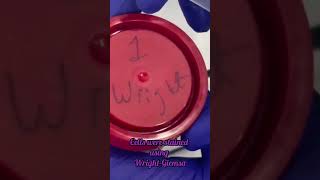
Discover the morphology of luteal granulosa cells with our Wright stain tutorial, highlighting their role in oocyte quality and IVF success, informed by recent research on follicular environment markers.

Watch our tutorial on isolating luteal granulosa cells from follicular fluid, a key step detailed in our recent research article exploring factors influencing oocyte quality and IVF outcomes.

Our latest research explores connections between follicular environment parameters and mature oocyte quality, utilizing NGS, timelapse imaging, and cell staining to provide new insights into reproductive success.

Explore our tutorial on evaluating luteal granulosa cell viability, highlighting the impact of follicular environment factors like hormone levels and mitochondrial DNA on oocyte quality and fertility outcomes.
RT @SCobanMune:
RT @SCobanMune:
RT @SCobanMune:
RT @SCobanMune:
https://t.co/JOz4OdvYPd
Discover the beauty of luteal granulosa cells!
RT @Dr_Georges_Raad: Watch our video tutorial on isolating luteal granulosa cells from follicular fluid, featured in our recent published p…
RT @Dr_Georges_Raad: Watch our video tutorial on isolating luteal granulosa cells from follicular fluid, featured in our recent published p…
Watch our video tutorial on isolating luteal granulosa cells from follicular fluid, featured in our recent published paper! @GLiperis @SCobanMune #AcademicTwitter #infertility #Science #researchers #article https://t.co/Cy3J1c6K0Q
RT @Dr_Georges_Raad:
RT @Dr_Georges_Raad:
RT @Dr_Georges_Raad:
RT @Dr_Georges_Raad: Anticipating your feedback on our new original article. We hope you find it both insightful and enjoyable to read. @…
RT @Dr_Georges_Raad: Anticipating your feedback on our new original article. We hope you find it both insightful and enjoyable to read. @…
RT @Dr_Georges_Raad: Anticipating your feedback on our new original article. We hope you find it both insightful and enjoyable to read. @…
Anticipating your feedback on our new original article. We hope you find it both insightful and enjoyable to read. @SCobanMune @GLiperis @JudyTanios #ivf #AcademicTwitter #Match2024
com/article/10.1007/s10815-024-03053-5 #ReproductiveScience #OocyteQuality #NGS #TimeLapseImaging #CellStaining #JARG #NewResearch. Bachir Mroue. 1 reaction.
com/article/10.1007/s10815-024-03053-5 #ReproductiveScience #OocyteQuality #NGS #TimeLapseImaging #CellStaining #JARG #NewResearch. 0 reactions. Profile ...
com/article/10.1007/s10815-024-03053-5 #ReproductiveScience #OocyteQuality #NGS #TimeLapseImaging #CellStaining #JARG #NewResearch. 0 reactions. Georges ...
Link: https://link.springer. com/article/10.1007/s10815-024-03053-5 #ReproductiveScience #OocyteQuality #NGS #TimeLapseImaging ...
Link: https://link.springer. com/article/10.1007/s10815-024-03053-5 #ReproductiveScience #OocyteQuality #NGS #TimeLapseImaging ...
com/article/10.1007/s10815-024-03053-5 #ReproductiveScience #OocyteQuality #NGS #TimeLapseImaging #CellStaining #JARG #NewResearch. No ...
Link: https://link.springer. com/article/10.1007/s10815-024-03053-5 #ReproductiveScience #OocyteQuality #NGS #TimeLapseImaging ...