Exp Brain Res February 2025 PMID 39992460

Recreational older ballet dancers fall less with more effective reactive balance control than non-dancers after a slip during gait.

Caroline Simpkins, Feng Yang

Mentions

3
Peak: 2 in Jun 2025
across 2 sources since Apr 2025

Extended reach

170
potential audience

Total likes

11

Video views

170

Mentions per month

Apr 2025 – Jun 2025

Where it's discussed

  • YouTube2 videos
  • X / Twitter1 posts

AI synopsis

What people are saying

The discussions reinforce the article's key points, such as mentions of improved stability and quicker recovery in ballet dancers, using phrases like 'better reactive balance' and 'fall prevention.' The tone varies from neutral acknowledgment to moderate enthusiasm, with highlights on practical applications, showing interest and incremental impact perceived from the research.

AgreementModerate agreement

The discussion generally supports the findings, with comments highlighting the benefits of ballet for balance, indicating moderate agreement.

InterestNeutral interest

Most posts show a neutral level of interest, mainly focusing on acknowledging the research rather than exploring broader implications.

EngagementModerate engagement

Some posts delve into details about how ballet enhances neuromuscular responses, reflecting active engagement with the methodology and implications.

ImpactModerate impact

The discussion suggests that the research could influence approaches to fall prevention in older adults, indicating a mild to moderate perceived impact.

Abstract in brief

  • Recreational older ballet dancers are less likely to fall and have better reactive balance control after a slip during walking compared to nondancers, due to improved neuromuscular and biomechanical responses.
  • Ballet dancers showed better stability, quicker recovery steps, shorter slipping distances, and faster muscle activation latencies, indicating enhanced ability to respond to slips.
  • These findings suggest that ballet practice may help older adults improve their balance and reduce fall risk by enhancing their reactive motor control and muscle response during slips.]

Top posts

Most liked on X and Bluesky
Caroline Simpkins PhD
@ballet_science · X

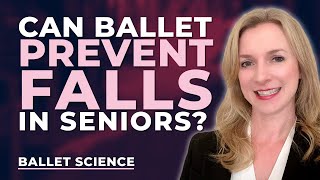
Check out Dr. Simpkins’ research publication “Recreational Older Ballet Dancers Fall Less With More Effective Reactive Balance Control Than Non-Dancers After a Slip During Gait” in the peer-reviewed journal Experimental Brain Research! https://t.co/vOs2BIuQvJ https://t.co/mjIb7xjaWD

Apr 24, 2025 · 1 followers View post →
All mentions

Caroline Simpkins PhD
@ballet_science · X

Check out Dr. Simpkins’ research publication “Recreational Older Ballet Dancers Fall Less With More Effective Reactive Balance Control Than Non-Dancers After a Slip During Gait” in the peer-reviewed journal Experimental Brain Research! https://t.co/vOs2BIuQvJ https://t.co/mjIb7xjaWD

Apr 24, 2025 · 1 followers View post →