The discussions emphasize the importance of fatty acid metabolism genes in MRSA's ability to colonize skin and resist antibiotics, with tweets highlighting key findings such as the role of these genes during colonization and how disrupting them can alter bacterial resistance, indicating a moderate but meaningful engagement with the research implications.
AgreementModerate agreement
Most discussions align with the article's findings that genes related to fatty acid metabolism are crucial during skin colonization and influence antibiotic resistance.
InterestModerate interest
The topics of bacterial gene expression and implications for antibiotic resistance generate moderate interest, as evidenced by the focus on specific metabolic pathways and resistance mechanisms.
EngagementModerate engagement
Responders reference detailed biological processes and experimental results, indicating a moderate level of engagement.
ImpactModerate impact
The discussions imply that understanding these mechanisms could have clinical significance, for example, in developing targeted treatments against MRSA colonization.
Abstract in brief
The study investigates how MRSA, a bacteria that causes skin infections, changes its gene expression during temporary colonization of healthy skin, focusing on virulence factors and fatty acid metabolism.
Using a mouse model and RNA sequencing, researchers found that genes related to fatty acid utilization and virulence are highly active during colonization, helping MRSA survive on the skin.
The research highlights specific genes involved in fatty acid metabolism that influence MRSA's resistance to stress and antibiotics, providing insights into how it prepares to potentially cause active infections.]
During mouse skin colonization, the most highly upregulated genes are related to fatty acid metabolism. Notably, disruption of genes in the fatty acid degradation pathway alter S. aureus resistance to the antibiotic fosfomycin. Learn more in #IAIJournal: https://t.co/yJGDTfys9Y https://t.co/duYxxmBClC
This video introduces Staphylococcus aureus, one of the most clinically significant bacteria. Discover its general characteristics, morphology, and habitat. Continue learning about this pathogen through our dedicated…
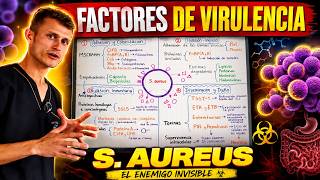
This video provides an overview of how Staphylococcus aureus exploits its virulence factors and the contextual opportunities it encounters to cause harm to the human body. It discusses the mechanisms of infection and…
This video explains the general mechanism by which toxins from Staphylococcus aureus cause Ritter's disease, involving toxin actions on the skin. It references scientific studies and details microbial pathogenesis…
This video clarifies that teichoic acids are not proteins but components of the bacterial cell wall that aid in adhesion. Explore the virulence factors and strategies used by Staphylococcus aureus for infections and…
This video explores when and how Staphylococcus aureus colonizes the human body, highlighting its clinical significance. Topics include microbiology, infections such as MRSA, and references to key scientific literature…
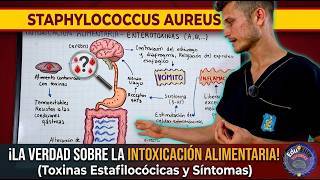
This video explains the action mechanism of toxins causing food poisoning. It emphasizes ongoing research suggesting that submucosal mast cells or enteric neurons are the cells stimulated by the toxin. Discover the…
During mouse skin colonization, the most highly upregulated genes are related to fatty acid metabolism. Notably, disruption of genes in the fatty acid degradation pathway alter S. aureus resistance to the antibiotic fosfomycin. Learn more in #IAIJournal: https://t.co/yJGDTfys9Y https://t.co/duYxxmBClC
 A
A UI
UI