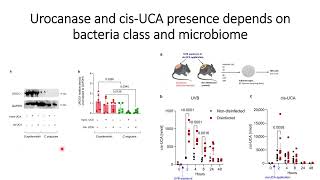
Discussion examples include mentions that skin bacteria such as *Staphylococcus epidermidis* can metabolize cis-urocanic acid to potentially reduce UV damage, with tone emphasizing the biological significance. Words like 'protect,' 'reduce,' and 'significance' convey curiosity and a recognition of potential health benefits, contributing to an overall positive outlook on the research's importance.
AgreementModerate agreement
Most discussions highlight the significance of skin bacteria in metabolizing cis-urocanic acid and their role in reducing UV-induced immunosuppression, showing general agreement with the research findings.
InterestHigh interest
The discussions demonstrate high interest, with multiple mentions of how this microbiome activity could influence health and sun protection strategies.
EngagementModerate engagement
Users delve into the implications of the study, referencing the protective role of skin bacteria and potential for enhancing skin health, indicating active engagement.
ImpactModerate impact
The conversations suggest that understanding this microbial process could impact future research and therapeutic approaches, reflecting moderate perceived impact.
Abstract in brief
The skin microbiome significantly influences health and disease, particularly in how it responds to UV radiation.
Recent research indicates that acute UVB exposure alters skin bacterial communities through the production of cis-urocanic acid.
Specific bacteria, like Staphylococcus epidermidis, metabolize this compound, impacting immune responses and tolerance to allergens; inhibiting this metabolism can restore immunosuppression and suggest new strategies for enhancing phototherapy and sun protection.
Skin bacteria may protect against harmful sunlight effects
"Urocanase-positive #skin resident bacteria metabolize cis-urocanic acid and in turn reduce the immunosuppressive properties of UV radiation", a @theJIDJournal study
@vijaypatra19 @aaroh_joshi @MSomlapura
#Microbiota
May 21, 2025 · 3 likes · 1 share · 26,837 followersView post →
Urocanase-positive skin resident bacteria metabolize cis-urocanic acid and in turn reduce the immunosuppressive properties of UV radiation - https://t.co/HGhCuHD0ml
Skin bacteria may protect against harmful sunlight effects
"Urocanase-positive #skin resident bacteria metabolize cis-urocanic acid & in turn reduce the immunosuppressive properties of UV radiation", suggests a @thejidjournal.bsky.social study
@siderm.bsky.social @esdrorg.bsky.social
#Microbiota
The skin microbiome significantly influences health and disease, especially in response to UV radiation. Recent research shows that bacteria like Staphylococcus epidermidis metabolize cis-urocanic acid, impacting immune…
Transient changes in skin bacterial diversity after topical administration of cisUCA or UVB exposure. The skin microbiome influences how skin responds to UV radiation, with bacteria like Staphylococcus epidermidis…
The skin microbiome significantly influences how the body responds to UV radiation. Recent research shows that bacteria like Staphylococcus epidermidis metabolize cis-urocanic acid, affecting immune responses and…
Recent research shows that skin bacteria like Staphylococcus epidermidis metabolize cis-urocanic acid, a compound altered by UVB exposure, affecting immune responses. Understanding this process offers new insights for…
The skin microbiome impacts health and immune responses, especially under UV exposure. Bacteria like Staphylococcus epidermidis metabolize cis-urocanic acid, influencing immunosuppression and allergy tolerance, opening…
Skin bacteria may protect against harmful sunlight effects
"Urocanase-positive #skin resident bacteria metabolize cis-urocanic acid & in turn reduce the immunosuppressive properties of UV radiation", suggests a @thejidjournal.bsky.social study
@siderm.bsky.social @esdrorg.bsky.social
#Microbiota
Skin bacteria may protect against harmful sunlight effects
"Urocanase-positive #skin resident bacteria metabolize cis-urocanic acid and in turn reduce the immunosuppressive properties of UV radiation", a @theJIDJournal study
@vijaypatra19 @aaroh_joshi @MSomlapura
#Microbiota
May 21, 2025 · 3 likes · 1 share · 26,837 followersView post →
DP
Dermatology Papers
@DermatologyPape · X
Urocanase-positive skin resident bacteria metabolize cis-urocanic acid and in turn reduce the immunosuppressive properties of UV radiation - https://t.co/HGhCuHD0ml