Several posts, such as the one referencing scraping calculus with cleaning tools and another advising on dental hygiene, reflect a basic understanding and casual engagement with the topic. The tone varies from informative and explanatory to informal, which aligns with moderate interest and engagement levels, but overall, the discussions do not demonstrate deep analysis or high-impact insights.
AgreementNeither agree nor disagree
The discussions show mixed feelings, with some recognizing the importance of dental calculus, while others are neutral or casual in tone.
InterestNeutral interest
Overall interest appears moderate; posts either casually mention dental hygiene or briefly reference the topic without deep engagement.
EngagementModerate engagement
There is some active participation, especially in the brief clarifications and sharing of tips, but limited detailed analysis.
ImpactNeutral impact
The influence of these discussions seems minimal, mainly serving as informational or casual remarks rather than transformative insights.
Abstract in brief
Dental calculus, which includes both supragingival and subgingival types, is a common condition worldwide, primarily made up of mineralized plaque containing calcium phosphate salts.
Factors such as oral hygiene, access to dental care, diet, age, ethnicity, systemic health, and medications influence the formation and location of calculus, with better hygiene practices limiting excessive buildup.
While supragingival calculus generally has minimal impact when well-managed, extensive subgingival calculus in populations with poor oral hygiene can contribute to periodontal disease, although its exact role remains not fully understood due to challenges in distinguishing its effects from plaque.]
@KSBolshevik @gods___favorite @posting_forever No...calculus is the right word for the hard build up on teeth. It's what the hygienist is scraping off with those picks. https://t.co/y4lRZwpxhT
This video explains the differences between plaque and tartar on teeth, how they form, and methods to prevent and remove them, emphasizing the importance of good oral hygiene for maintaining oral health.
This video explains three effective ways to enhance your dental health at home until you can see a dentist. It emphasizes proper oral hygiene practices and assessment methods for gingivitis, including bleeding on…
This video explains how teeth cleaning does not damage gums and actually prevents damage caused by plaque buildup. Learn about the importance of regular dental care for maintaining healthy gums and preventing…
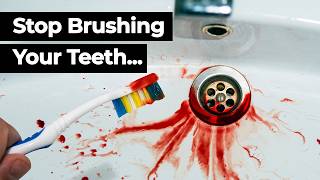
Brushing your teeth is essential for removing plaque and maintaining oral health. The video discusses the importance of daily oral hygiene, regular dental visits, and debunks the myth that brushing harms gums…
@KSBolshevik @gods___favorite @posting_forever No...calculus is the right word for the hard build up on teeth. It's what the hygienist is scraping off with those picks. https://t.co/y4lRZwpxhT