Xabbi ▶️
@Xaberius9 · X
@Capitan_Swing @VNMachine También, @VNMachine https://t.co/Xe4H7U5jLc
Jul 20, 2024 · 3 likes · 252 followers
View post →
Mentions
Extended reach
Total likes
Video views
AI synopsis
The discussions highlight curiosity about plant light sensing, with comments like 'plants can see light' and playful remarks about plants 'seeing' visually, which reflect a mix of scientific interest and humor. The tone varies from casual skepticism to informational insights, indicating that the article encourages readers to rethink plant perception and inspires further exploration of biological mechanisms.
Most discussions acknowledge the scientific findings about plant light perception, with some expressing playful skepticism about plant 'vision'.
Participants show moderate curiosity about the subject, often linking it to broader ideas like plant awareness or communication.
Responses include sharing related facts and linking to additional videos, indicating a moderate level of thoughtful engagement.
The conversations suggest that the publication sparks ongoing curiosity and a reevaluation of how we perceive plant capabilities, implying modest but meaningful influence.
@Capitan_Swing @VNMachine También, @VNMachine https://t.co/Xe4H7U5jLc
Plants can see light - they grow towards it after all. BUT they see other colors too, which helps them recognize competitors. More in our latest video: https://t.co/k92LYclaek https://t.co/WNUE43xnxS
@Jilcaesel Je l'ai vu passer (mais comme j'utilise la timeline chronologique, ça ne dit rien sur ce que peuvent voir les gens utilisant la timeline algorithmique). Sur le fond, j'avais oublié de répondre en liant cette vidéo, peut-être en rapport: https://t.co/3uU1Eg0B6r
https://t.co/46MUH8xm9L
@mariaforx @BecomingCaptain Even trees are more aware than rocks, so that's absolutely not accurate: https://t.co/qqpidtGXLW Fungi can communicate isn't their own language..
https://t.co/23jD9CxxnW
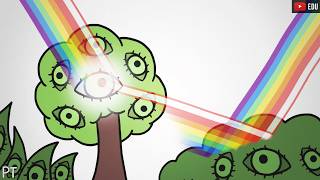
Plants can perceive nearby competition through light detection, involving photoreceptors sensitive to specific wavelengths. This process influences growth and adaptation, revealing complex light response mechanisms in…

Thanks to the ASCEND project for partnering with us on this video. Plants can tell when competitors are nearby because they can see them. This video explains how plants respond to light signals, including shade…
@qikipedia Right, because plants can see: https://t.co/4Cjz9MOh3Y
@mariaforx @BecomingCaptain Even trees are more aware than rocks, so that's absolutely not accurate: https://t.co/qqpidtGXLW Fungi can communicate isn't their own language..
@Capitan_Swing @VNMachine También, @VNMachine https://t.co/Xe4H7U5jLc
@Jilcaesel Je l'ai vu passer (mais comme j'utilise la timeline chronologique, ça ne dit rien sur ce que peuvent voir les gens utilisant la timeline algorithmique). Sur le fond, j'avais oublié de répondre en liant cette vidéo, peut-être en rapport: https://t.co/3uU1Eg0B6r
https://t.co/23jD9CxxnW
https://t.co/46MUH8xm9L
Plants can see light - they grow towards it after all. BUT they see other colors too, which helps them recognize competitors. More in our latest video: https://t.co/k92LYclaek https://t.co/WNUE43xnxS