 N
NNephroPOCUS
@NephroP · X
@drkayemm @SAlerhand https://t.co/WTcUNf1rIV
Jul 4, 2023 · 4 likes · 1 share · 77,080 followers
View post →
Mentions
Extended reach
Total likes
Video views
AI synopsis
This collection shows a strong interest in the clinical significance of the lung pulse technique, with comments highlighting its potential to transform practice and referencing historical discoveries, such as the initial description in 2003, suggesting a shared recognition of the research's importance and relevance.
Most posts acknowledge the research's importance, with some emphasizing the need for quicker adoption in practice.
Posts demonstrate high interest, referencing the novel use of ultrasound and its implications, like 'it's about time!' and discussing historical context.
Several discussions include references to clinical practice and the history of lung pulse research, indicating moderate depth.
Posts suggest the findings could influence clinical protocols and reduce reliance on radiography, implying moderate potential impact.
@drkayemm @SAlerhand https://t.co/WTcUNf1rIV
Study source: https://t.co/IhajgY3GAp
@IM_Crit_ https://t.co/6yuK9GqfQ9
@SonoStache @SAlerhand It takes on average 17 years for research to become day-to-day clinical practice https://t.co/yGr0xUI4eI @DanielLICHTENS1 first description of "lung pulse" was in 2003 https://t.co/B1vUQ4EFF3 --it's about time! Images from https://t.co/TkLqCk7mjR https://t.co/rjCMd7ZO6E
RT @pocusmeded: Study source: https://t.co/IhajgY3GAp
RT @NephroP: @drkayemm @SAlerhand https://t.co/WTcUNf1rIV
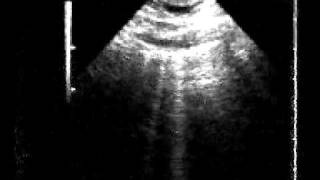
The lung pulse is an early ultrasound indicator of complete lung collapse caused by selective intubation. The study shows its high accuracy in quickly confirming atelectasis without radiation, aiding clinical decisions…

The lung pulse is an early ultrasound sign that indicates complete lung collapse, particularly useful for rapid confirmation of atelectasis caused by selective intubation, offering a radiation-free diagnostic option.
RT @pocusmeded: Study source: https://t.co/IhajgY3GAp
Study source: https://t.co/IhajgY3GAp
RT @NephroP: @drkayemm @SAlerhand https://t.co/WTcUNf1rIV
@drkayemm @SAlerhand https://t.co/WTcUNf1rIV
@IM_Crit_ https://t.co/6yuK9GqfQ9
@SonoStache @SAlerhand It takes on average 17 years for research to become day-to-day clinical practice https://t.co/yGr0xUI4eI @DanielLICHTENS1 first description of "lung pulse" was in 2003 https://t.co/B1vUQ4EFF3 --it's about time! Images from https://t.co/TkLqCk7mjR https://t.co/rjCMd7ZO6E
 PE
PE DH
DH JM
JM R
R LB
LB