 お臨
お臨おでん@臨床工学技士
@CE_engineer0701 · X
https://t.co/wI6ua30DeD
Jul 28, 2025 · 624 followers
View post →
Mentions
Extended reach
Total likes
Video views
AI synopsis
We're still gathering social media discussions on this article. A synopsis appears once there are enough posts to summarize.
https://t.co/wI6ua30DeD

Intraplaque hemorrhage is common in advanced coronary atherosclerotic lesions and may contribute to plaque vulnerability by increasing free cholesterol from erythrocyte membranes, leading to larger necrotic cores and…
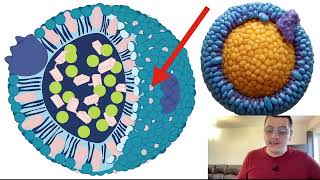
This video explores the misconception that cholesterol is the primary cause of heart disease. It discusses how intraplaque hemorrhage contributes to plaque vulnerability by increasing free cholesterol, leading to plaque…

Intraplaque hemorrhage is common in advanced coronary lesions and may contribute to plaque vulnerability by increasing free cholesterol from erythrocyte membranes, leading to larger necrotic cores and greater macrophage…
https://t.co/wI6ua30DeD