Discussions emphasize key concepts like how moderate exercise intensities optimize fat burning and how fasting enhances fat oxidation, with users analyzing and interpreting the importance of exercise mode, intensity, and diet, thereby showing thoughtful participation and recognizing potential practical applications.
AgreementModerate agreement
Most posts seem to agree that exercise intensity, duration, and diet profoundly influence fat oxidation, aligning with the article's findings.
InterestModerate interest
The discussions indicate a moderate level of interest, with posters reflecting curiosity but not overwhelming enthusiasm about the research details.
EngagementModerate engagement
Users actively analyze the concepts, such as the role of exercise intensity and fasting, suggesting thoughtful engagement with the topic.
ImpactModerate impact
The posts imply that the publication's insights could influence personal fitness and dietary choices, indicating a notable impact.
Abstract in brief
Higher or moderate exercise intensities (around 59-64% of maximum oxygen consumption for trained individuals) maximize fat oxidation, whereas very high intensities reduce it.
Exercise mode, such as running versus cycling, influences fat oxidation rates, with running generally leading to higher fat use.
Consuming carbohydrates before exercising decreases fat oxidation, while fasting for over 6 hours enhances fat burning; high-fat diets may decrease fat oxidation due to muscle and glycogen changes.
Discover the seven essential keys to making the keto diet work in 2026. Learn to activate ketosis, choose proper foods, avoid pitfalls, and maintain results without rebounds. Practical examples help reeducate metabolism…
In this video we debunk the sweat fat loss myth and reveal what actually drives real fat burning. Learn why sweating is just a cooling mechanism, not a sign of calorie burn, and discover science-backed strategies for…
Achten J, Jeukendrup AE. Nutrition. 2004 Jul-Aug; 20(7-8):716-27. doi: 10.1016/j.nut.2004.04.005 Regulation of glucose transport in human skeletal muscle.
Achten J, Jeukendrup AE. Nutrition. 2004 Jul-Aug;20(7-8):716-27. doi: 10.1016/j.nut.2004.04.005 Regulation of glucose transport in human skeletal muscle.
3 - RMMS - A Rock Bolt and Rock Mass Interaction Model | PDF ...
News
All rights reserved. doi:10.1016/j.ijrmms.2004.04.005. ARTICLE IN PRESS 1056 ... a nut. The internal fixture is either a medium such as the 3 MPa cement ...
GGE-Biplot Analysis of Multi-Environment Yield Trials of Common ...
News
https://doi.org/10.1016/j.eja.2004.04.005. Yan, W. (2001). GGE-biplot a ... Stablity Ground Nut. 3 pages. Analysis of The Phenotypic Diversity Within ...
 Kカ
Kカ SP
SP 加
加 H
H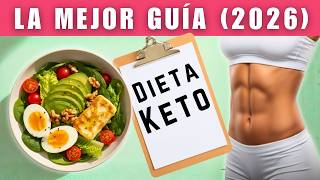

 KS
KS