@PopSci That’s actually not true. Here’s some research you may find interesting... https://t.co/gW8KyCORoS https://t.co/OrSdt0HnMJ
Determining the relationship between cervical lordosis and neck complaints.
Mentions
Extended reach
Total likes
Video views
Mentions per month
Oct 2021 – Jun 2025Where it's discussed
-
Facebook14 posts
-
YouTube2 videos
-
Blogs2 articles
-
X / Twitter1 posts
AI synopsis
What people are saying
The overall mood suggests mild skepticism, exemplified by phrases like 'that’s actually not true,' which challenge the publication’s findings without elaboration. The reference to other research indicates some interest, but the tone remains dismissive and does not explore implications in depth.
The post dismisses the validity of the publication without substantial counterargument, indicating moderate disagreement.
The post shows some curiosity by referencing research, but without deep analysis or personal commentary.
The discussion neither delves deeply into the topic nor demonstrates sustained engagement beyond a simple comment.
The post does not seem to influence opinions significantly; it's more of an initial reaction or correction.
Abstract in brief
- The study found that patients with cervical lordosis of 20 degrees or less are more likely to experience neck pain, with a stronger link when the lordosis is 0 degrees or less, suggesting that reduced curvature is associated with neck complaints.
- Males tend to have greater cervical lordosis than females, especially notable in adults aged 40 to 49 years, indicating possible gender and age-related differences in neck alignment.
- Maintaining a cervical lordosis between 31 and 40 degrees could be a useful target for chiropractic treatment to help manage or prevent neck pain, based on the significant relationship between normal lordosis range and reduced symptoms.]
Top posts
Most liked on X and BlueskyAll mentions
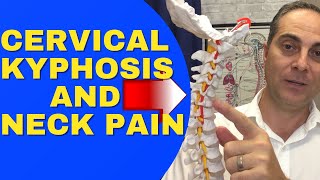
Understanding Cervical Kyphosis and Its Impact on Neck Pain
Dr. Walter Salubro discusses cervical kyphosis, its symptoms, and health consequences, emphasizing the importance of corrective care for cervical spine health.
Addressing Sedentary Lifestyle and Neck Pain: Science-Backed Strategies
Still struggling with chronic neck pain. This video reveals common habits contributing to neck pain and how to reverse them with science-backed solutions, including improving posture and reducing sedentary behavior to…
@PopSci That’s actually not true. Here’s some research you may find interesting... https://t.co/gW8KyCORoS https://t.co/OrSdt0HnMJ
LC