 MZ
MZMarGOD - The ZweiStein
@psancintel · X
Electrostatics and the Assembly of an RNA Virus - PubMed https://t.co/j2B7fs0JpM
Apr 8, 2020 · 488 followers
View post →
Mentions
Extended reach
Total likes
Video views
All 4 dated mentions so far are from Apr 2020.
AI synopsis
The overall discussion shows appreciation for the research's relevance, with examples such as mentions of how surface charge density affects encapsulation processes and potential for designing synthetic viruses. The tone varies from casual curiosity to technical analysis, reflecting a balanced interest and recognition of its significance in the field.
Most discussions acknowledge the importance of electrostatic interactions in virus assembly, though some express mild skepticism or curiosity about the methods used.
Posts demonstrate moderate interest, with some students highlighting how the findings could influence future research or applications.
Many individuals engage by referencing specific concepts like surface charge density and polymer encapsulation, indicating a thoughtful level of participation.
The discussions suggest that the research could have a meaningful impact on understanding synthetic virus design and potential medical applications, though the overall influence appears still emerging.
Electrostatics and the Assembly of an RNA Virus - PubMed https://t.co/j2B7fs0JpM

This project aims to develop a personal V4 filter capable of filtering particles from 0.005 to 20 microns for COVID-19 masks. It incorporates synthetic, activated carbon, and bio-cotton filters, with reusable synthetic…
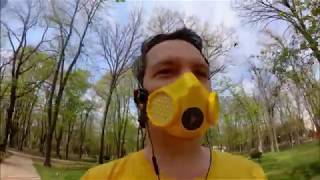
This video discusses the development of a V4 personal filter mask capable of filtering particles from 0.005 to 20 microns, using a combination of antibacterial synthetic filters, activated carbon filters, and bio cotton…
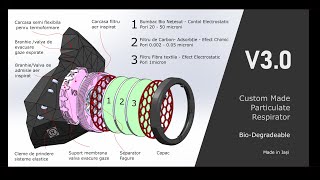
Working on a personal V3 filter aiming to filter particles from 0.05 to 20 microns for COVID-19 mask respirators. The filter uses synthetic, activated carbon, and bio cotton layers, with modular, replaceable components…
Electrostatics and the Assembly of an RNA Virus - PubMed https://t.co/j2B7fs0JpM