April 2006 PMID 16228208

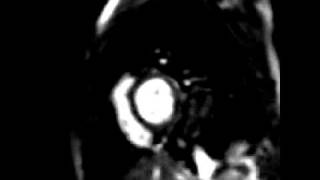
Assessment of ventricular coupling with real-time cine MRI and its value to differentiate constrictive pericarditis from restrictive cardiomyopathy.

Marco Francone, Steven Dymarkowski, Maria Kalantzi, Frank E Rademakers, Jan Bogaert

Download social card

Mentions

7
Peak: 5 in Dec 2010
across 2 sources since Dec 2010

Extended reach

12,599
potential audience

Total likes

11

Video views

6,689

Mentions per month

Dec 2010 – May 2022

Where it's discussed

  • YouTube5 videos
  • X / Twitter2 posts

AI synopsis

What people are saying

The posts show appreciation for the imaging visualization of respiratory shifts in the heart, describing it as 'masterful' and relating it to clinical scenarios like constrictive physiology, which reflects a general positive attitude and recognition of the technique's usefulness without extensive technical critique or debate.

AgreementModerate agreement

Most discussions acknowledge the significance of the study’s findings, with comments like 'masterful illustration' that imply agreement with the importance of the imaging techniques described.

InterestModerate interest

Posts indicate moderate interest, focusing on the visual quality and clinical relevance of the imaging findings, rather than deep technical debate.

EngagementModerate engagement

Participants demonstrate some engagement by commenting on the imaging features and expressing hope for patient outcomes, suggesting a surface-level but meaningful interest.

ImpactNeutral impact

The discussions do not deeply explore broader clinical or research impacts but highlight the potential diagnostic value seen in the imaging findings.

Abstract in brief

  • The study used real-time cine MRI during deep breathing to measure how the heart's ventricles move in patients with constrictive pericarditis (CP), restrictive cardiomyopathy (RCM), and normal controls, finding that septal movement differed notably between these groups.
  • Septal inversion or flattening during early diastole was common in CP and inflammatory pericarditis (IP) patients but rare in RCM and normal subjects, suggesting these patterns could help distinguish these conditions.
  • The degree of ventricular coupling, quantified by septal excursion differences during respiration, was significantly higher in CP and IP patients than in normals, providing a potential numerical cutoff to differentiate CP from RCM and healthy hearts.]

Top posts

Most liked on X and Bluesky
Patrick Bering
@PatrickBering · X

@VLSorrellImages @CASEfromASE @ASE360 Masterful echocardiographic illustration of respiratory shift in relative diastolic septal position, which we also often see on CMR imaging with constrictive physiology. Hoping patient did well

May 19, 2022 · 4 likes · 2 shares · 195 followers View post →
CV Case Journal
@CASEfromASE · X

RT @PatrickBering: @VLSorrellImages @CASEfromASE @ASE360 Masterful echocardiographic illustration of respiratory shift in relative diastoli…

May 23, 2022 · 2 shares · 5,709 followers View post →

All mentions

CV Case Journal
@CASEfromASE · X

RT @PatrickBering: @VLSorrellImages @CASEfromASE @ASE360 Masterful echocardiographic illustration of respiratory shift in relative diastoli…

May 23, 2022 · 2 shares · 5,709 followers View post →
Patrick Bering
@PatrickBering · X

@VLSorrellImages @CASEfromASE @ASE360 Masterful echocardiographic illustration of respiratory shift in relative diastolic septal position, which we also often see on CMR imaging with constrictive physiology. Hoping patient did well

May 19, 2022 · 4 likes · 2 shares · 195 followers View post →