The discussions highlight key elements of the study, such as the interaction between the hippocampus and reward areas during encoding, with some posts mentioning the reward system's role in memory boost. The tone is informative and neutral, with phrases like 'thought to be involved' and 'promotes better memory,' which show curiosity without strong disagreement or excitement.
AgreementModerate agreement
The discussions generally acknowledge the study’s findings about reward anticipation and memory, showing moderate support.
InterestModerate interest
Since the tweets focus on describing the experimental process and potential implications, they indicate a moderate level of curiosity and engagement.
EngagementNeutral engagement
Most posts briefly summarize the research without deep analysis, reflecting a neutral level of engagement.
ImpactModerate impact
The tweets suggest recognition of the research's importance but do not imply it will cause significant shifts in the field or practice.
Abstract in brief
The study used event-related FMRI to explore how anticipation of rewards influences memory formation, showing that cues signaling high reward value before seeing scenes led to better memory retention 24 hours later.
Key brain regions involved in reward anticipation, including the ventral tegmental area, nucleus accumbens, and hippocampus, were more active before scenes that were later remembered, suggesting these areas play a role in enhancing memory through reward motivation.
The results support the idea that reward motivation stimulates dopamine release in the hippocampus prior to learning, which boosts memory formation, demonstrating that brain activation before experiencing a stimulus can predict successful learning outcomes.]
In the motivated learning task rewards are promised for successful retrieval after retention of 24 hours.
It is thought that during encoding the hippocampus interacts with reward areas of the brain to enhance memory strength of high-reward items.
e.g.: https://t.co/v9gigwzIDW https://t.co/WFTUNkpa2Q
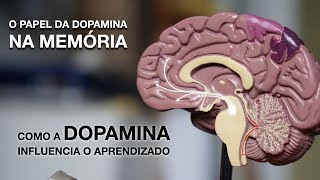
Dopamine is a crucial neurotransmitter involved in reward and motivation systems. This video explores how dopamine influences memory formation, highlighting that anticipation of rewards activates key brain regions prior…
Dive into how reward anticipation influences memory formation, highlighting brain regions like the ventral tegmental area, nucleus accumbens, and hippocampus that activate before successful learning. This study shows…
In the motivated learning task rewards are promised for successful retrieval after retention of 24 hours.
It is thought that during encoding the hippocampus interacts with reward areas of the brain to enhance memory strength of high-reward items.
e.g.: https://t.co/v9gigwzIDW https://t.co/WFTUNkpa2Q
 GF
GF