 AM
Alex Mathew
@alxmthew · X
Source: Social Cognitive Neuroscience: A Review of Core Processes, Matthew D. Lieberman
Mar 24, 2025 · 3 likes · 894 followers
View post →
Mentions
Extended reach
Total likes
Video views
AI synopsis
The majority of social discussions express strong interest and agreement, emphasizing the importance of neuroanatomical distinctions and their role in social cognition; for example, mentions of brain evolution and automatic vs. controlled processes underscore this engagement, while references to neuroscience's broader relevance reflect perceived impact.
Most discussions acknowledge the importance of the review and its insights into social cognitive processes, with comments highlighting the contributions of neuroanatomy and consciousness to social behavior understanding.
Participants show high curiosity about the subject matter, especially when referencing developments in neurodevelopment and the brain's automatic versus controlled processes.
The conversations include references to specific concepts like neurodevelopment, neural distinctions, and implications for AI, indicating active interest and some depth in the discussion.
The discussions suggest that the review influences thoughts on neuroscience and social psychology, though they largely focus on theoretical implications rather than practical applications.
Source: Social Cognitive Neuroscience: A Review of Core Processes, Matthew D. Lieberman
@MirroredMind055 it took a series of developments building on each other, that allowed greater adaptability. Instinct and unconscious processes are given by more ancient parts of the brain; consciousness, thinking and executive functions are abilities given by newer parts https://t.co/4R3CXgW9TY
Sources: https://t.co/W8qlxjVSY8 https://t.co/aqPyofFUEk
Social cognitive neuroscience: a review of core processes https://t.co/F7bO57dQFs
Lieberman, M.D.: Social cognitive neuroscience: a review of core processes. Annu. Rev. Psychol. 58, 259–289 (2007) @elonmusk @Tesla https://t.co/Dely3NhpQW
#neurodesarrollo #neurotwitter
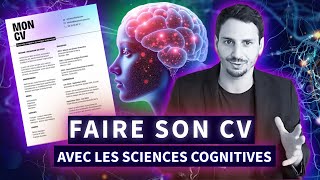
Prepare your CV with effective strategies to captivate recruiters within seconds. Learn about cognitive biases impacting resume assessment and discover 10 practical tips to make your CV impactful, applicable for…

Children's brains grow through social interactions, from co-regulation with caregivers to peer relationships. This process shapes neural networks essential for emotion regulation, attention, and learning. Building daily…
Sources: https://t.co/W8qlxjVSY8 https://t.co/aqPyofFUEk
Source: Social Cognitive Neuroscience: A Review of Core Processes, Matthew D. Lieberman
@MirroredMind055 it took a series of developments building on each other, that allowed greater adaptability. Instinct and unconscious processes are given by more ancient parts of the brain; consciousness, thinking and executive functions are abilities given by newer parts https://t.co/4R3CXgW9TY
#neurodesarrollo #neurotwitter
Social cognitive neuroscience: a review of core processes https://t.co/F7bO57dQFs
Lieberman, M.D.: Social cognitive neuroscience: a review of core processes. Annu. Rev. Psychol. 58, 259–289 (2007) @elonmusk @Tesla https://t.co/Dely3NhpQW
 AK
 SM
 JE
 CF