The overall sentiment reflects genuine interest and recognition of the scientific importance of the publication, exemplified by comments like 'interested in gaining more in-depth knowledge' and sharing of educational resources. The tone is curious and respectful, emphasizing the significance of understanding brain plasticity in phantom limb pain, which contributes to the moderate scores across engagement and impact.
AgreementModerate agreement
Most comments acknowledge the validity of the research and its explanation of phantom limb pain as a CNS plasticity issue, especially the reference to scientific studies like the one by Flor et al.
InterestHigh interest
Discussions show a high level of curiosity, with users expressing a desire to learn more about the neuroplasticity involved and sharing resources for deeper understanding.
EngagementModerate engagement
Posts include references to explanations, personal insights, and questions, indicating meaningful interaction with the topic but not necessarily deep debate or critique.
ImpactModerate impact
The discussion suggests moderate impact, as users find the research noteworthy and relevant, though few indicate plans for practical application or policy change.
Abstract in brief
Phantom limb pain is caused by maladaptive changes in the central nervous system (CNS), especially in the brain's cortex, rather than just being a mental disorder or physical damage at the stump.
Evidence from both animal and human studies indicates that plastic changes in the brain's neural networks contribute to phantom pain, highlighting it as a CNS phenomenon.
Understanding these mechanisms can lead to new treatment strategies focused on reversing or modifying these cortical plasticity changes to help reduce phantom limb pain.]
PLASTICIDAD MAL APAPTATIVA
En amputados con síndrome de miembro fantasma, el área del cerebro de la parte corporal que no existe es ocupada por otras áreas adyacentes y el dolor es propio de esta ocupación de las áreas corticales.
https://t.co/zYQDUdzP60
Jun 29, 2022 · 6 likes · 2 shares · 740 followersView post →
LO
Lady Oleaceae
@LadyOleaceae · X
Since I researched it a super long time ago and I am definitely not a neurologist or scientist, here is a short YouTube clip that explains it in a more sciencey way and for accuracy hopefully
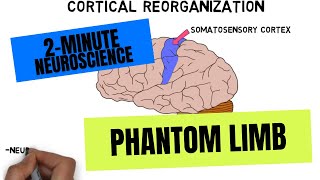
Phantom limb occurs when individuals experience sensations from a missing body part. This phenomenon involves maladaptive changes in the central nervous system, especially in the brain cortex, and understanding these…
Phantom limb pain results from maladaptive changes in the central nervous system, particularly in the brain's cortex. This video discusses evidence from studies showing how cortical plasticity contributes to phantom…
@WabKinew Here is a two minute clip about a phenomenon called phantom limb in which people can experience pain in other parts of their bodies due to the way that our brains respond to loss of healthy parts.
https://t.co/565KEn2tjI
Since I researched it a super long time ago and I am definitely not a neurologist or scientist, here is a short YouTube clip that explains it in a more sciencey way and for accuracy hopefully
@MiracleJanet @MaryLouGrier1 @OliveOwl6 @coulterculture @jacelala @BernadineBlntly However, how consciousness perceives information is unknown, a man burning his hands off without the sense of touch may endure other forms of suffering.
Phantom pain syndrome.
https://t.co/HXa2GRmuQy
PLASTICIDAD MAL APAPTATIVA
En amputados con síndrome de miembro fantasma, el área del cerebro de la parte corporal que no existe es ocupada por otras áreas adyacentes y el dolor es propio de esta ocupación de las áreas corticales.
https://t.co/zYQDUdzP60
Jun 29, 2022 · 6 likes · 2 shares · 740 followersView post →
 FC
FC L
L JE
JE