The discussions show strong interest in how mites serve as alkaloid sources for frogs, with phrases like 'primary food source' and references to specific mite species such as Bryobia praetiosa. The tone is primarily informational and inquisitive, with some posts referencing earlier studies to emphasize the importance of the research, which indicates both engagement and recognition of its potential impact on understanding chemical defense mechanisms.
AgreementModerate agreement
Most participants acknowledge the significance of mites as a source of alkaloids for poison frogs, showing general agreement with the publication's conclusions.
InterestHigh interest
The discussions demonstrate high curiosity about the relationship between mites and frog chemical defenses, indicating keen interest.
EngagementModerate engagement
Posters reference previous research and elaborate on mite species, reflecting active engagement with the topic.
ImpactModerate impact
Reactions suggest the findings could influence future research directions, but there's limited discussion on immediate practical impact.
Abstract in brief
Oribatid mites contain about 80 alkaloids, including many that are also found in the poison frogs Oophaga pumilio, suggesting mites are a major dietary source of these alkaloids.
The study found that while some alkaloids are shared between mites and frogs, many alkaloids in mites are still unknown and have not been identified in frogs, indicating a complex relationship and potential for new alkaloid sources.
Since mites are common in the diet of poison frogs and other arthropods, the findings suggest that mites play a significant role in providing the diverse alkaloids used by frogs for chemical defense.]
Red mite (possibly Bryobia praetiosa) on the tip of my pencil. Mites from other genera are thought to be the primary food source from which poison frogs obtain their defenses.
Sources:
Saporito et al 2011- 10.1007/s10886-011-9914-7
Saporito et al 2007- 10.1073/pnas.0702851104 https://t.co/16KPzwPela
Poison frogs develop resistance to their own toxins, like epibatidine, through specific amino acid changes in their nervous system receptors. These adaptations enable effective chemical defenses while maintaining…
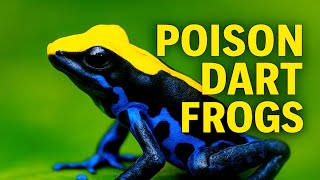
Poison dart frogs are small vibrantly colored amphibians known for their toxic skin and incredible defense mechanisms. This video explores their habitat, diet, reproduction, and the science behind their deadly toxins…
Red mite (possibly Bryobia praetiosa) on the tip of my pencil. Mites from other genera are thought to be the primary food source from which poison frogs obtain their defenses.
Sources:
Saporito et al 2011- 10.1007/s10886-011-9914-7
Saporito et al 2007- 10.1073/pnas.0702851104 https://t.co/16KPzwPela
 KB