Mindset | Growth | Motivation |
@AlhaillKing · X
@AndiswaDlungs Yes it does https://t.co/Mp4sc6HgOX
Oct 13, 2022 · 12,698 followers
View post →
Mentions
Extended reach
Total likes
Video views
AI synopsis
Discussions support the findings that chronic stress can lead to weight gain, citing mechanisms like increased cortisol and cravings, with comments like 'Chronic stress can lead to weight management issues' and references to research reviews, which demonstrate moderate engagement and recognition of the article's importance without widespread controversy.
Most discussions acknowledge the connection between stress and weight changes, showing general agreement with the publication’s findings.
Posts demonstrate moderate interest, referencing specific biological mechanisms like cortisol and dietary behaviors without deep exploration.
The comments include brief affirmations and references to related research, indicating some level of engagement but not extensive debate.
The mention of stress influencing metabolism and eating habits highlights perceived relevance, though the overall impact is moderate without calls to action or significant controversy.
@AndiswaDlungs Yes it does https://t.co/Mp4sc6HgOX
A review by @SusanJTorres & Caryl Nowson found that chronic and acute #stress is associated with both #undereating and #overeating, may be influenced by the severity of the stressor, and can impact the types of #food we eat. https://t.co/HAO4S2CYEQ
Chronic stress can lead to weight management issues - specifically weight gain. Increased cortisol in the body slows metabolism and triggers sugar cravings. https://t.co/vhDwxuri6y

This video discusses the impact of testosterone and vitamin D supplementation on muscle strength, physical function, and hormone levels in aging men, based on recent clinical studies.

Stress can influence eating habits in humans, leading to overeating or undereating depending on various factors. Chronic stress often results in a preference for high-calorie, sugar, and fat-rich foods, potentially…

Stress influences eating habits, leading to overeating or undereating based on various factors. Chronic stress often increases preference for high-calorie, sugary, and fatty foods, potentially contributing to weight…
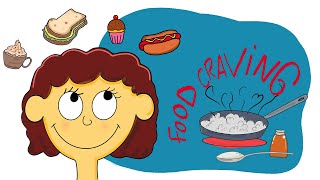

Chronic stress can lead to weight management issues - specifically weight gain. Increased cortisol in the body slows metabolism and triggers sugar cravings. https://t.co/vhDwxuri6y
@AndiswaDlungs Yes it does https://t.co/Mp4sc6HgOX
A review by @SusanJTorres & Caryl Nowson found that chronic and acute #stress is associated with both #undereating and #overeating, may be influenced by the severity of the stressor, and can impact the types of #food we eat. https://t.co/HAO4S2CYEQ