The discussions highlight core concepts from the publication, such as the influence of light on internal clocks and behaviors like feeling energized at unsuitable times, using phrases like 'body’s way of telling you to go to bed' which reflect both understanding and real-life relevance. The tone ranges from informative to practically focused, indicating moderate user engagement and perceived impact.
AgreementModerate agreement
Most posts acknowledge and support the findings about human circadian rhythms, especially regarding how internal clocks influence alertness and sleep patterns.
InterestModerate interest
Discussion around topics like energy surges at night and sleep regulation indicates a moderate level of curiosity and relevance for health habits.
EngagementModerate engagement
Posts reference specific concepts such as internal clocks, biometric techniques, and practical implications, showing a fair degree of detailed engagement.
ImpactModerate impact
The discussions suggest that the article's insights could influence personal habits and scientific methods, hinting at notable potential impacts.
Abstract in brief
The intrinsic circadian period in humans is roughly 24.2 hours and is influenced by prior light exposure, affecting how our internal clocks synchronize with the 24-hour day.
These internal clocks regulate vital functions like alertness and sleep, and understanding their interaction with sleep-wake processes can help improve treatments for related health issues.]
It's 9:00PM-Wonder why you just got a burst of energy?
Would you believe me if I told you it was your body's way of telling you to go to bed?
Full Review: https://t.co/1N2CvBAPMI https://t.co/sjFMXXJokx
Czeisler, C. A., & Gooley, J. J. (2015). Sleep and circadian rhythms in humans. Cold Spring Harbor Perspectives in Medicine, 10(10), a027544.
Munir, Badrul. 2022. Change Your Habits. Yogyakarta: PT Anak Hebat.
This video explores effective techniques that allow you to fall asleep in just two minutes. It references scientific studies on the impact of body temperature and other factors on sleep quality, providing evidence-based…
A person's chronotype influences their sleep and wake times. Main types include morning, evening, and intermediate, with additional categories like lion, bear, wolf, and dolphin. Circadian rhythm and sleep drive shape…
@Bensaliv @hubermanlab @StanfordMed @Stanford Here's a good overview article: https://t.co/5f8mR1rr1I
Nov 27, 2024 · 2 likes · 2,552 followersView post →
LC
Langkah Cerita✨
@ohbeshine · X
Czeisler, C. A., & Gooley, J. J. (2015). Sleep and circadian rhythms in humans. Cold Spring Harbor Perspectives in Medicine, 10(10), a027544.
Munir, Badrul. 2022. Change Your Habits. Yogyakarta: PT Anak Hebat.
It's 9:00PM-Wonder why you just got a burst of energy?
Would you believe me if I told you it was your body's way of telling you to go to bed?
Full Review: https://t.co/1N2CvBAPMI https://t.co/sjFMXXJokx
 KR
KR LC
LC LW
LW RS
RS AR
AR MP
MP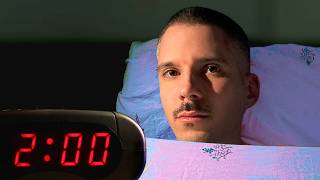

 CP
CP