Discussions emphasize the role of gene loss in shaping the platypus's gastrointestinal system, with examples like mentions of gene inactivation, stomach anatomy, and comparisons to ancestors. The tone combines scientific references and personal observations, reflecting a blend of factual analysis and curiosity about evolutionary processes.
AgreementModerate agreement
Most discussions support the idea that gene loss in the platypus relates to its unique gastric features, showing general consensus with strong references to the research findings.
InterestHigh interest
Participants show high curiosity about how genetic changes influence physical traits like stomach size and function, especially through mentions of anatomy and evolution.
EngagementModerate engagement
The discourse includes references to specific studies, dissection experiences, and genetic data, indicating moderate to deep involvement with the topic.
ImpactModerate impact
The conversations highlight the significance of gene loss in understanding mammalian evolution, suggesting a meaningful contribution to evolutionary biology debates.
Abstract in brief
The study reveals that the platypus has lost or inactivated several genes involved in gastric function, such as those responsible for producing stomach acids and enzymes like pepsinogen and gastrin, which are typically conserved in other vertebrates.
This gene loss correlates with physical differences in the platypus's gastrointestinal system, including a smaller stomach, fewer glands, and higher stomach pH, suggesting these genetic changes influenced its unique digestive features.
Overall, the findings highlight a distinct evolutionary pattern in the platypus genome, illustrating how gene loss can contribute to physical and functional adaptations in mammals, especially in early-diverging groups like monotremes.
@DaniRabaiotti Not true, they have stomachs, which have the essential stomach function of storing food and controlling release into the small intestine. Just non-secretory. Ordoñez et al. 2008 Loss of genes implicated in gastric function during platypus evolution Genome biology.
Jan 12, 2019 · 13 likes · 2 shares · 394 followersView post →
JH
Jente Ottenburghs | Avian Hybrids
@Jente_O · X
@krishnamku I came across this fact in the book "Why Evolution is True" by Jerry Coyne. But you can find more information on several websites and papers.
https://t.co/C1HFf00Dz4
https://t.co/0WMAZlzBAL
@davidghamilton1 more than seems to be in correct - is incorrect. I have dissected echidna stomachs. This paper shows that monotreme ancestors must have had secretory stomachs Ordoñez, et al. (2008) Loss of genes implicated in gastric function during platypus evolution. https://t.co/5cLLpVs3AU
Jan 12, 2019 · 6 likes · 3 shares · 394 followersView post →
A
Anubis
@lolnotmohamed · X
@AhmedBehiry لا حضرتك التطور ظاهرة فعلًا ظاهرة وعليها أدلة
أنصح حضرتك مبدئيًا مشاهدة قناة اركيوبتركس عرض فيها الأدلة ورد على سلسلة إياد قنيبي ووضح فيها المغالطات الي عملها القنيبي
https://t.co/iCD3POx589
وده شخص اكاديمي متخصص فاهم بيقول ايه مش هتخسر حاجة لما تسمع وجهة نظر مختلفة
Explore why creatures like platypuses, pufferfish, and seahorses have evolved without functioning stomachs and how they survive without this organ, revealing fascinating insights into vertebrate evolution.
This video explores the identification and analysis of unitary pseudogenes—nonfunctional gene remnants—and their significance in human and primate evolution. It discusses gene loss timelines, ongoing genetic variation…
@AhmedBehiry لا حضرتك التطور ظاهرة فعلًا ظاهرة وعليها أدلة
أنصح حضرتك مبدئيًا مشاهدة قناة اركيوبتركس عرض فيها الأدلة ورد على سلسلة إياد قنيبي ووضح فيها المغالطات الي عملها القنيبي
https://t.co/iCD3POx589
وده شخص اكاديمي متخصص فاهم بيقول ايه مش هتخسر حاجة لما تسمع وجهة نظر مختلفة
Previous work found bits of their DNA missing that are usually required to produce gastric acid and proteins.
This was all well and good but didn't explain the contrast in stomach anatomy (or again, lack thereof) between monotremes and other animals...
https://t.co/je1hUjtuMk
@TamerAmar19 @eclipse2255 @Null2v_ @sweet_boy00 @betterlifefore احدى الاليات التي تؤدي الى تغير عدد الكروموسومات هي اندماج كروموسومين وهذا حصل في اسلاف البشر عند تطورهم من اسلافهم شاهد الفيديو
https://t.co/EaI8PsIioq
@krishnamku I came across this fact in the book "Why Evolution is True" by Jerry Coyne. But you can find more information on several websites and papers.
https://t.co/C1HFf00Dz4
https://t.co/0WMAZlzBAL
This is not a primitive feature, but loss of a strongly conserved ancestral feature. see https://t.co/wgJz5Bvxy1
Similarly echidnas and modern platypuses lack teeth although their ancestors had teeth. In fact it has just occurred to me that these two things are probably linked.
RT @topechidna: @davidghamilton1 more than seems to be in correct - is incorrect. I have dissected echidna stomachs. This paper shows that…
Jan 12, 2019 · 3 shares · 8,458 followersView post →
DR
Dr Dani Rabaiotti
@DaniRabaiotti · X
RT @topechidna: @davidghamilton1 more than seems to be in correct - is incorrect. I have dissected echidna stomachs. This paper shows that…
Jan 12, 2019 · 3 shares · 24,752 followersView post →
DH
Dr David Hamilton
@davidghamilton1 · X
RT @topechidna: @davidghamilton1 more than seems to be in correct - is incorrect. I have dissected echidna stomachs. This paper shows that…
Jan 12, 2019 · 3 shares · 13,640 followersView post →
M
MMMelodee
@MMMukalla · X
RT @topechidna: @DaniRabaiotti Not true, they have stomachs, which have the essential stomach function of storing food and controlling rele…
Jan 12, 2019 · 2 shares · 1,177 followersView post →
DR
Dr Dani Rabaiotti
@DaniRabaiotti · X
RT @topechidna: @DaniRabaiotti Not true, they have stomachs, which have the essential stomach function of storing food and controlling rele…
Jan 12, 2019 · 2 shares · 24,752 followersView post →
SN
Stewart Nicol
@topechidna · X
@davidghamilton1 more than seems to be in correct - is incorrect. I have dissected echidna stomachs. This paper shows that monotreme ancestors must have had secretory stomachs Ordoñez, et al. (2008) Loss of genes implicated in gastric function during platypus evolution. https://t.co/5cLLpVs3AU
Jan 12, 2019 · 6 likes · 3 shares · 394 followersView post →
SN
Stewart Nicol
@topechidna · X
@DaniRabaiotti Not true, they have stomachs, which have the essential stomach function of storing food and controlling release into the small intestine. Just non-secretory. Ordoñez et al. 2008 Loss of genes implicated in gastric function during platypus evolution Genome biology.
Jan 12, 2019 · 13 likes · 2 shares · 394 followersView post →
 SN
SN JH
JH DR
DR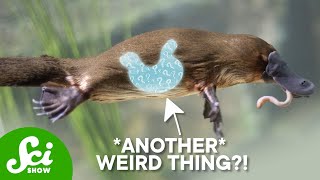

 D
D DA
DA DH
DH M
M