The discussions reflect an engagement with the scientific distinctions in the paper, such as the critique of the term 'pleasure' in defining addiction and the importance of precise definitions, exemplified by comments on how the public uses 'addiction' loosely versus scientific criteria, illustrating a balanced blend of curiosity and skepticism that influences social perceptions of the research.
AgreementModerate agreement
Most discussions seem to align with the idea that the publication clarifies or supports current scientific understandings of addiction, especially emphasizing the difference between scientific definitions and public perceptions.
InterestNeutral interest
The overall interest appears neutral; some social discussions show curiosity or skepticism, but there isn't overwhelming enthusiasm or disinterest.
EngagementModerate engagement
Posts reference specific concepts like 'pleasure' and 'definition,' indicating some level of detailed engagement, though some comments are more dismissive or superficial.
ImpactModerate impact
The conversations hint at the paper influencing how people think about 'addiction,' especially in distinguishing scientific criteria from everyday language, suggesting a moderate impact.
Abstract in brief
The incentive sensitization theory of addiction suggests that drug use causes hypersensitivity in brain systems responsible for assigning importance to reward-related stimuli, leading to intense craving or "wanting" for the drug.
The text discusses current questions about how learning influences incentive sensitization, whether this hypersensitivity occurs in humans, and if addiction behaviors in animals are linked to this process.
It also explores how to best model addiction in animals, and the roles of positive pleasure and withdrawal symptoms in the development and maintenance of addiction.]
۲:
اون همون “دوست داشتن” بود.
ولی مغزت کمکم یاد گرفت نشونههای پاداش را بیشتر از خودِ محتوا بخواد.
کشیدن صفحه باعث ترشح دوپامین میشه، حتی اگه پستا خستهکننده باشن.
منبع: https://t.co/nt0SjBdvN8
Oct 12, 2025 · 2 likes · 3,961 followersView post →
NP
Nicole Prause
@NicoleRPrause · X
@MwaqMfydh Yes, the public uses the term "addiction" loosely. Of course, science has a strict definition. Most scientists use this paper to define it
https://t.co/cvzx5Y92OD
Apr 14, 2024 · 1 like · 9,072 followersView post →
NP
Nicole Prause
@NicoleRPrause · X
@Liquidacid23 @TheoryPhd @PurifierAzrael That is definitely false. The most commonly-cited paper defining addictions doesn't even mention a "pleasure" criterion, which would be bizarre and does not exist.
https://t.co/cvzx5Y92OD
Apr 14, 2024 · 1 like · 9,072 followersView post →
This video explores the paradox of happiness, motivation, and how comfort may influence ambition. It discusses the relationship between happiness and productivity, the neurobiology of motivation, and the delicate…
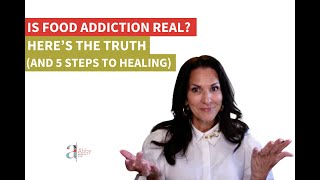
Let's start with a hard truth wrapped in a soft blanket Yes food addiction is real and if you're struggling with it you're not broken lazy or weak. This video covers the research, neurobiological factors, and five…
۲:
اون همون “دوست داشتن” بود.
ولی مغزت کمکم یاد گرفت نشونههای پاداش را بیشتر از خودِ محتوا بخواد.
کشیدن صفحه باعث ترشح دوپامین میشه، حتی اگه پستا خستهکننده باشن.
منبع: https://t.co/nt0SjBdvN8
Oct 12, 2025 · 2 likes · 3,961 followersView post →
NP
Nicole Prause
@NicoleRPrause · X
@MwaqMfydh Yes, the public uses the term "addiction" loosely. Of course, science has a strict definition. Most scientists use this paper to define it
https://t.co/cvzx5Y92OD
Apr 14, 2024 · 1 like · 9,072 followersView post →
NP
Nicole Prause
@NicoleRPrause · X
@Liquidacid23 @TheoryPhd @PurifierAzrael That is definitely false. The most commonly-cited paper defining addictions doesn't even mention a "pleasure" criterion, which would be bizarre and does not exist.
https://t.co/cvzx5Y92OD
Apr 14, 2024 · 1 like · 9,072 followersView post →
 TM
TM غآ
غآ NP
NP