The discussions demonstrate strong interest by highlighting aspects such as larval birth and parasitism, with examples like mentions of larva emergence and host specificity, which reveal curiosity and recognition of significance. The tone suggests a mix of factual interest and scientific engagement, emphasizing the article's relevance to understanding parasitism and insect diversity.
AgreementModerate agreement
Most discussion points align with the scientific insights of the article, acknowledging its detailed findings about Strepsiptera biology.
InterestHigh interest
Many comments express curiosity about the parasitic mechanisms and reproductive strategies, showing high engagement with the topic.
EngagementModerate engagement
Some posts delve into biological processes like larval development and host interaction, indicating moderate depth of discussion.
ImpactModerate impact
The conversations reflect an appreciation for the importance of these findings in understanding parasitic relationships and insect evolution.
Abstract in brief
Strepsiptera are specialized endoparasitoids with significant differences between males and females, affecting how they live and reproduce.
Adult males and first instar larvae are free-living, while adult females can either be free-living or parasitic, depending on their suborder.
Their parasitism starts when the host is in larval/nymphal stages, and they have evolved unique immune avoidance mechanisms that enable them to target a variety of host species.
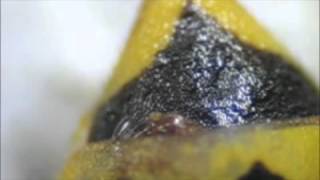
Nesse vídeo são as larvas de Strepsiptera nascendo, isso deve acontecer quando a fêmea é só um saco de ovos, pois tem fêmeas de Strepsiptera q são de vida livre. As larvas praticam matrifagia, depois saem do hospedeiro da mãe para procurar um para elas.
https://t.co/KIQKXd8UXi
Feb 29, 2024 · 8 likes · 90,227 followersView post →
EI
Elfa dos Insetos
@ElfaDosInsetos · X
Trouxe mais informações, os Strepsiptera, podem parasitar cerca de 30 famílias diferentes de insetos. Na subordem Stylopidia, as fêmeas estão presas obrigatoriamente ao hospedeiro, porque são neotênicas, sem pernas, asas, olhos...
https://t.co/wUAKEmwWyV
Feb 29, 2024 · 7 likes · 90,320 followersView post →
This video explores the host-parasitoid associations in Strepsiptera, highlighting their unique reproductive strategies, life stages, and immune evasion tactics. It emphasizes differences between males and females and…
This video reviews host-parasitoid associations in Strepsiptera, highlighting their unique parasitic strategies, sexual dimorphism, and immune avoidance mechanisms that facilitate infection during host larval and nymph…
Strepsiptera are specialized insect parasites with complex life cycles, including unique visual perception and reproductive strategies. They display significant differences between males and females, adapt immune…
A supplemental video from the 2009 review by Jeyaraney Kathirithamby on host-parasitoid associations in Strepsiptera, showcasing first instar larva of Xenos vesparum emerging from Polistes dominulus.
This supplemental video from the 2009 review discusses host-parasitoid associations in Strepsiptera, focusing on their parasitism in various host stages and their unique immune avoidance mechanisms.
A supplemental video from a 2009 review exploring host-parasitoid associations in Strepsiptera. It highlights the unique life cycle, parasitism methods, and immune evasion strategies of these specialized parasites…
Strepsiptera are specialized endoparasitoids with significant differences between males and females. Their parasitism begins during host larval stages, involving unique immune avoidance mechanisms that enable them to…
A supplemental video from the 2009 review by Jeyaraney Kathirithamby on host-parasitoid associations in Strepsiptera, highlighting their specialized parasitic relationships and differences between males and females.
This video explores the host-parasite interaction involving Stylops melittae. It includes a review of adaptive morphology and the ecological significance of this interaction, complemented by a list of relevant…
Nesse vídeo são as larvas de Strepsiptera nascendo, isso deve acontecer quando a fêmea é só um saco de ovos, pois tem fêmeas de Strepsiptera q são de vida livre. As larvas praticam matrifagia, depois saem do hospedeiro da mãe para procurar um para elas.
https://t.co/KIQKXd8UXi
Feb 29, 2024 · 8 likes · 90,227 followersView post →
EI
Elfa dos Insetos
@ElfaDosInsetos · X
Trouxe mais informações, os Strepsiptera, podem parasitar cerca de 30 famílias diferentes de insetos. Na subordem Stylopidia, as fêmeas estão presas obrigatoriamente ao hospedeiro, porque são neotênicas, sem pernas, asas, olhos...
https://t.co/wUAKEmwWyV
Feb 29, 2024 · 7 likes · 90,320 followersView post →