Discussions demonstrate strong support and interest, with tweets mentioning key aspects like gut bacteria diversity in twins and its link to obesity, and references to influential researchers such as Jeff Gordon, emphasizing the study's scientific and public health relevance. The tone and references suggest the discussions see this research as a meaningful step toward understanding and potentially addressing obesity through microbiome insights.
AgreementStrong agreement
Most discussions express strong support for the research and its implications, highlighting the importance of gut microbiome in obesity and public health.
InterestHigh interest
Posts show high curiosity and engagement with the topic, referencing studies, personal anecdotes, and the potential for future research.
EngagementHigh engagement
Multiple comments delve into the significance of the findings, referencing specific research studies and their broader impact, indicating deep engagement.
ImpactHigh impact
The discussions reflect a recognition that the study could influence future health strategies and microbiome research, emphasizing its high potential impact.
Abstract in brief
The study investigates the gut microbiome in twins and their mothers to understand how genetics, environment, and obesity affect gut bacteria composition and function.
It finds that while individual gut microbiomes vary at the bacterial species level, there is a shared core microbiome based on genes that remains relatively consistent across people.
Obesity is linked to changes in gut bacteria, including reduced diversity and differences in bacterial genes and metabolic pathways, indicating that different microbial communities can still share similar functional capabilities.
Several well-known studies have shown that the gut #microbiome differed completely between identical twins, one of whom was obese and one of whom was healthy. This demonstrated that differences in the microbiome were not genetic. https://t.co/FN7J92xRrQ #GutHealth #research https://t.co/DI8VKSLtay
A study examined the gut bacteria in 77 pairs of twins, where one was obese and one was not, and found those who were obese had lower gut bacteria diversity than their non-obese twins. This suggests gut bacteria could affect weight. https://t.co/576Nlnbjz6 #GutHealth #health https://t.co/jIUU1UdW2B
@PTurnbaugh I remember sitting in a freshman seminar series at WashU and hearing Jeff Gordon present this work (https://t.co/euBCoQnZEG), leading into this public health related narrative (https://t.co/zorEottrJv). Made a huge impression on me!
The human gut hosts a complex community of microbes linked to health, especially obesity. The gut microbiota influences energy use by affecting food processing and gene regulation. Modifying microbiota through…
Discover how trillions of microorganisms in your digestive system influence immunity and mood, shaping health outcomes. Learn tips to restore gut balance and prevent health issues through scientific insights.
@PTurnbaugh I remember sitting in a freshman seminar series at WashU and hearing Jeff Gordon present this work (https://t.co/euBCoQnZEG), leading into this public health related narrative (https://t.co/zorEottrJv). Made a huge impression on me!
A study examined the gut bacteria in 77 pairs of twins, where one was obese and one was not, and found those who were obese had lower gut bacteria diversity than their non-obese twins. This suggests gut bacteria could affect weight. https://t.co/576Nlnbjz6 #GutHealth #health https://t.co/jIUU1UdW2B
Several well-known studies have shown that the gut #microbiome differed completely between identical twins, one of whom was obese and one of whom was healthy. This demonstrated that differences in the microbiome were not genetic. https://t.co/FN7J92xRrQ #GutHealth #research https://t.co/DI8VKSLtay
 KJ
KJ NP
NP EW
EW DP
DP JP
JP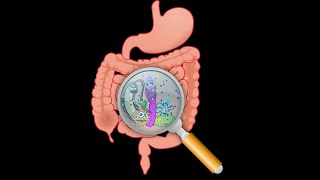

 CF
CF DD
DD DF
DF HL
HL