Mira Behn
@tbdnonymous · X
Open Access: Anaerobic Oxidation of Methane: Progress with an Unknown Process https://t.co/z5SuOe4Fas
Aug 3, 2023 · 2,575 followers
View post →
Mentions
Extended reach
Total likes
Video views
AI synopsis
Discussions reflect a positive outlook on the research, with phrases like 'may have implications for early evolution' indicating recognition of its significance, while mentions of microbial roles and Earth's atmospheric oxygen highlight scientific curiosity without deep dives into mechanisms, demonstrating moderate interest and engagement.
Most discussions acknowledge the importance of understanding anaerobic methane oxidation and see progress as promising, indicating general agreement with the publication's significance.
The discussions demonstrate moderate interest, specifically highlighting the sulfur cycle and microbial processes, which are subjects that appeal to niche scientific audiences.
Comments tend to be brief, referencing key concepts like the sulfur cycle or microbial roles, but lack deep technical analysis or detailed questions.
The potential implications for early Earth's atmosphere and climate suggest that the findings could influence broader scientific debates, giving these discussions a modest perceived impact.
Open Access: Anaerobic Oxidation of Methane: Progress with an Unknown Process https://t.co/z5SuOe4Fas
The sulphur cycle, modified by alkane oxidising archaea/bacteria - https://t.co/suTNkNnMo2 - https://t.co/SvgRewFTsG - https://t.co/v8IyNuoubd - https://t.co/5XvIUVzg4k - https://t.co/qqRIRLHK8J - may have implications for early evolution of Earth's atmospheric oxygen.

This video discusses the progress and ongoing research into the anaerobic oxidation of methane, a crucial process involving microbes like ANME archaea and sulfate-reducing bacteria, which impacts global methane…
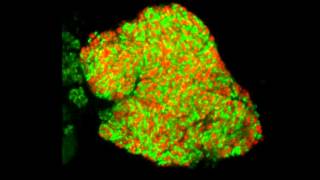
This supplemental video from 2009 reviews progress in understanding the microbial processes involved in anaerobic oxidation of methane, including the roles of ANME archaea and sulfate reduction, which are critical for…

A supplemental video from the 2009 review by Katrin Knittel and Antje Boetius exploring the microbial processes behind anaerobic oxidation of methane, a key factor in mitigating methane's impact as a greenhouse gas…
Open Access: Anaerobic Oxidation of Methane: Progress with an Unknown Process https://t.co/z5SuOe4Fas
The sulphur cycle, modified by alkane oxidising archaea/bacteria - https://t.co/suTNkNnMo2 - https://t.co/SvgRewFTsG - https://t.co/v8IyNuoubd - https://t.co/5XvIUVzg4k - https://t.co/qqRIRLHK8J - may have implications for early evolution of Earth's atmospheric oxygen.