 صا
صاصباح التغذية
@DietSaba · X
https://t.co/2ICrj5gSo4
Aug 12, 2020 · 1 like · 1 share · 2,228 followers
View post →
Mentions
Extended reach
Total likes
Video views
AI synopsis
The reflections primarily focus on health implications and dietary exposure, for example, noting that heavy cinnamon consumers may exceed safety limits, which highlights the publication's relevance to public health. The tone varies from cautious acknowledgment to mild concern, emphasizing the importance of understanding individual susceptibility and regulatory decisions.
Most discussions acknowledge the health concerns related to coumarin, supporting its potential risks highlighted in the publication.
Participants show moderate interest, with some acknowledging the topic's relevance, especially regarding dietary exposure during holidays.
The posts reflect basic engagement, with some references to biological effects and regulatory implications, but little in-depth debate.
The discussions suggest a recognition that the research could influence dietary guidelines or safety assessments, indicating a moderate level of impact.
https://t.co/2ICrj5gSo4
Toxicology and risk assessment of coumarin: focus on human data - PubMed https://t.co/0e79IzSc7w
@Brexit_Refugee @usmiln2 @NickKristof Also, https://t.co/PBAJLVnK2L https://t.co/sJbceGA9e4 https://t.co/F7FVCtPbCe Not recommended
RT @DietSaba: https://t.co/2ICrj5gSo4
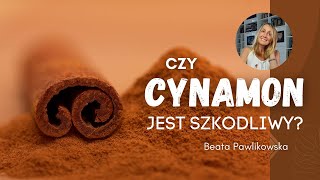
Cinnamon is toxic if high in coumarin, found mainly in Cassia cinnamon, which may damage the liver and cause cancer. True Ceylon cinnamon has medicinal properties, including anti-inflammatory and anti-cancer effects by…

The truth about cinnamon and its impact on health. Learn how Ceylon cinnamon, also known as true cinnamon, supports blood sugar regulation, heart health, inflammation reduction, and brain support, especially for women…
@Brexit_Refugee @usmiln2 @NickKristof Also, https://t.co/PBAJLVnK2L https://t.co/sJbceGA9e4 https://t.co/F7FVCtPbCe Not recommended
Toxicology and risk assessment of coumarin: focus on human data - PubMed https://t.co/0e79IzSc7w
RT @DietSaba: https://t.co/2ICrj5gSo4
https://t.co/2ICrj5gSo4
シナモンは血糖値改善に効果的らしいが、肝毒性や発ガン性のあるクマリンが含まれるので多量摂取は避けたい。 https://t.co/wBvrJ8gtUI
 HA
HA MB
MB عا
عا T
T