 P
pjmccoll
@pamelamccoll2 · X
Reward, dopamine and the control of food intake: implications for obesity https://t.co/aJtVAX7d9V
May 3, 2020 · 290 followers
View post →
Mentions
Extended reach
Total likes
Video views
AI synopsis
The discussions demonstrate a balanced level of agreement and interest, with users referencing key concepts like dopamine pathways and neurochemicals affecting energy and reward circuits. Words like 'fascinating' and 'crucial' convey curiosity, while references to potential treatment strategies underscore the perceived impact of the publication.
Most discussions acknowledge the importance of dopamine pathways and neurochemical influences on eating behavior, supporting the publication's focus.
Participants show moderate curiosity about how brain circuits influence food intake, reflecting a general interest in neurobiology and obesity research.
Posts often reference specific mechanisms, such as dopamine's role in reward sensitivity, indicating a willingness to discuss detailed scientific concepts.
Several comments highlight the significance of understanding neurochemical factors for developing obesity interventions, suggesting recognition of the research's meaningful implications.
Reward, dopamine and the control of food intake: implications for obesity https://t.co/aJtVAX7d9V

This video explores 22 common reasons preventing weight loss, including habits, sleep issues, stress, and diet. Simple, effective changes can help you regain control over your health and achieve your weight goals.

Understanding the brain circuits involved in resisting eating and their impairment in obesity. Imaging studies show dopamine pathway issues influence reward sensitivity, conditioning, and self-control related to food.
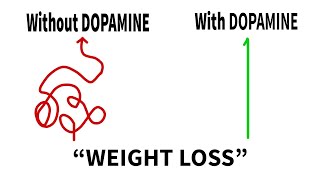
What if the key to faster fat loss isn't another diet but your dopamine levels? This video explores the science behind Dopamine Loading, a method to reset your brain's reward system and make fat loss easier. Learn how…
Reward, dopamine and the control of food intake: implications for obesity https://t.co/aJtVAX7d9V