The discussions reflect a positive attitude toward focusing on immediate, relatable benefits like energy and daily well-being, supported by examples such as emphasizing 'energy and daily quality of life' to improve exercise adherence. The tone is motivational and practical, highlighting how reframing exercise goals can lead to better results and higher motivation.
AgreementModerate agreement
Most posts support the idea of shifting exercise focus to immediate benefits like energy and quality of life, indicating general agreement with the article's perspective.
InterestHigh interest
The discussions show high interest, with participants engaging enthusiastically around practical implications such as motivation and behavior change.
EngagementModerate engagement
There is some engagement through the rephrasing and reinforcement of concepts, although most comments are brief and supportive rather than deeply analytical.
ImpactModerate impact
The sharing of practical advice and emphasis on motivation suggests a moderate recognition of the article's potential influence on health behaviors.
Abstract in brief
The study explores how understanding people's core values and goals, especially related to health and aging, can help improve motivation for exercise by aligning exercise behaviors with those values.
Results show that women who focus on immediate benefits like improving daily quality of life tend to exercise more than those aiming for long-term goals like health or aging, because immediate rewards are more motivating.
To encourage consistent exercise, shifting the focus from distant health benefits to immediate, relatable outcomes—similar to marketing strategies—may make people more likely to stick with their routines.]
Reframe your exercise goals. Instead of thinking of #exercise as a way to "lose weight" or "get fit", focus on improving quality of life (improve energy, lower stress). This improves motivation and results in increased exercise commitment https://t.co/T35dbDb5YQ
When you focus on energy and daily quality of life, you're more likely to stick with exercise and actually get results https://t.co/GFNTqQrzmb
#wellness #exercise #weightloss
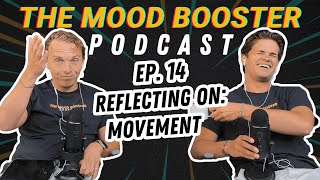
In this episode, we discuss movement, its impact on mental health, and how understanding core values can enhance motivation. We explore the link between physical activity and wellbeing, emphasizing immediate benefits…
This week Charlie and Marcus discuss their personal journeys with movement, from faking sick notes to outlasting a 1600-day running streak. They explore the psychological benefits of exercise, making movement…
When you focus on energy and daily quality of life, you're more likely to stick with exercise and actually get results https://t.co/GFNTqQrzmb
#wellness #exercise #weightloss
Reframe your exercise goals. Instead of thinking of #exercise as a way to "lose weight" or "get fit", focus on improving quality of life (improve energy, lower stress). This improves motivation and results in increased exercise commitment https://t.co/T35dbDb5YQ
 DM
DM DP
DP DA
DA RW
RW