Vivian
@suchnerve · X
Video version: https://t.co/ljW8Qys5lk Text version: https://t.co/VkPutRw8QK
Feb 25, 2025 · 4 likes · 47,956 followers
View post →
Mentions
Extended reach
Total likes
Video views
AI synopsis
Posts reflect an interest in practical applications such as masks and brain therapy, with phrases like 'science on red light masks' and mentions of 'understanding dose patterns' indicating curiosity about both the science and its real-world implications. Tone remains informational and somewhat appreciative, suggesting recognition of the research's value without intense debate or controversy.
Many discussions acknowledge the importance of understanding dose-response patterns in light therapy, indicating general support for the publication's focus.
The conversations show moderate curiosity, with some users referencing specific applications like red light masks or brain injury treatments, but overall engagement seems reserved.
Most posts express awareness or basic comprehension rather than deep analytical engagement, with some references to videos explaining the science.
The discussions hint at a modest influence, highlighting that recognizing these dose responses could improve clinical practices but without broad shifts in opinion.
Video version: https://t.co/ljW8Qys5lk Text version: https://t.co/VkPutRw8QK
The Science of Red Light Masks https://t.co/oVNRHac2xG via @YouTube

This video explores how red light affects skin health and evaluates whether LED masks are effective, based on photobiomodulation science. It discusses product selection, experimental outcomes, and the potential benefits…
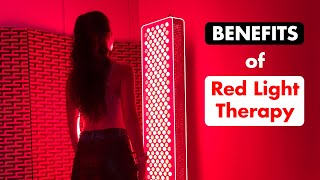
This video explores whether red light therapy truly works as a treatment method. We examine its noninvasive nature and discuss research findings on its potential effects on skin conditions, healing processes, and…
Video version: https://t.co/ljW8Qys5lk Text version: https://t.co/VkPutRw8QK
The science on red light masks youtu.be/eu14g7JFd4o?...
The Science of Red Light Masks https://t.co/oVNRHac2xG via @YouTube