The overall discussions express interest through comments on how ants prevent pandemics, mentioning behaviors like cemetery use and self-isolation, and highlight the ecological role of hyperparasites in maintaining balance, while also reflecting curiosity about the evolution of social behavior, exemplified by curiosity about eusociality and parasite strategies.
AgreementModerate agreement
Most discussions acknowledge the significance of the research, noting how ants use behaviors like cemetery formation and self-isolation to mitigate pandemics, and recognizing the ecological balance involving hyperparasites.
InterestHigh interest
The discussions show high interest, especially in the novel survival strategies of ants and the evolutionary controversy on eusociality, indicating engagement with fundamental biological concepts.
EngagementModerate engagement
Several comments go beyond surface-level reactions, examining the ecological interactions and evolutionary implications, reflecting a moderate level of thoughtful engagement.
ImpactModerate impact
Participants recognize the potential impact of this research on understanding social evolution and disease dynamics in insect societies, suggesting an appreciation of its broader significance.
Abstract in brief
The study examines the coevolution between ants and their specialized parasite, Ophiocordyceps, which manipulates ants to die in specific graveyards, and investigates how this relationship balances parasite growth and colony health.
Field data from Brazil and Thailand are used to create a model showing that actual parasite pressure is lower than expected based on ant cadaver numbers, mainly because hyperparasites often castrate Ophiocordyceps, affecting its reproductive success.
The research suggests that the parasite's reproductive strategy, called iteroparity, which involves multiple reproductive cycles, has evolved in tropical environments with high hyperparasite diversity and spore mortality, helping these low-dispersal fungi persist over time.]
Las hormigas tienen varias maneras de evitar pandemias catastróficas. Como tener cementerios, y practicar el autoaislamiento (todo por señales químicas) pero además, hay varios hongos que parasitan a Ophiocordyceps permitiendo un balance ecológico
https://t.co/st20Pz3zBs
Oct 31, 2021 · 3 likes · 1 share · 1,431 followersView post →
MK
Mounteban/k/
@Jimityjam · X
RT @ultimape: @Jimityjam @eigenrobot There's an on going controversy on what causes eusociality to evolve. Its fascinating a idea. https://…
The concept of a revived mummy has terrified the public for generations. This video explores the science behind mummies, debunking myths and examining the biological aspects of mummification and potential reanimation…
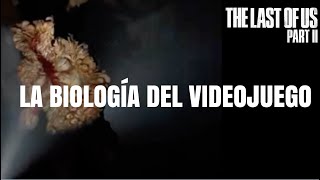
The Last of Us 2 introduces the concept of fungal biology. This video explores real Cordyceps fungi, their ability to create zombie-like effects in insects, and their fascinating biology.
Las hormigas tienen varias maneras de evitar pandemias catastróficas. Como tener cementerios, y practicar el autoaislamiento (todo por señales químicas) pero además, hay varios hongos que parasitan a Ophiocordyceps permitiendo un balance ecológico
https://t.co/st20Pz3zBs
Oct 31, 2021 · 3 likes · 1 share · 1,431 followersView post →
MK
Mounteban/k/
@Jimityjam · X
RT @ultimape: @Jimityjam @eigenrobot There's an on going controversy on what causes eusociality to evolve. Its fascinating a idea. https://…
 B
 MK