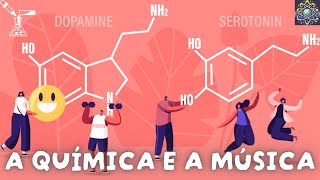
Overall, the social discussions strongly support the article’s findings by emphasizing extensive scientific evidence, such as reviews of hundreds of research papers, and describing music’s effects on stress reduction and brain stimulation. The tone incorporates words like 'benefits,' 'discovery,' and 'brain stimulation,' reflecting both curiosity and confidence in the article's relevance and impact.
AgreementStrong agreement
Most discussions highlight strong support for the beneficial effects of music on neurochemical systems and health, with many referencing extensive research and reviews that confirm these positive impacts.
InterestHigh interest
The tone consistently showcases curiosity and enthusiasm, with terms like 'discovery,' 'amazing effects,' and 'benefits,' indicating high engagement with the topic.
EngagementHigh engagement
Numerous posts cite specific studies, such as large reviews of 400 research papers, and discuss mechanisms like dopamine release and brain region stimulation, demonstrating deep involvement.
ImpactHigh impact
The discussions emphasize that understanding the neurochemistry of music could influence mental health treatments and well-being strategies, indicating significant potential influence.
Abstract in brief
Music influences our mood and overall well-being by engaging brain chemicals related to pleasure, motivation, stress regulation, immunity, and social connection.
Our scientific understanding of how music affects neurochemical systems is still developing, with research showing potential benefits but also facing limitations.
Future studies aim to combine insights from music cognition and social neuroscience to better understand the neurochemical effects of music and improve health outcomes.
Paralelo a isso, há a liberação de dopamina, um hormônio relacionado ao bem estar, além de opiáceos, relacionados ao prazer. Ainda, "a oxitocina, um hormônio ligado ao vínculo social, geralmente é liberada quando as pessoas cantam ou ouvem música juntas" https://t.co/OVdsphUj5z
Jun 4, 2023 · 175 likes · 5 shares · 102,066 followersView post →
SN
Sound Health Network
@SoundHealthNet · X
In continuation of our suggested summer reads, there is this 2013 large scale review, Trends in Cognitive Sciences, of 400 research papers looking at the neurochemistry of music
Above all, it shows the positive impacts and benefits of music to mental and physical health. https://t.co/RIEXP5ICa2
The neurochemistry of music: Music is used to regulate mood and arousal in everyday life and to promote physical and psychological health and well-being in clinical settings. https://t.co/bsdkRJQw0m @LAMasterChorale
A review of 400 published scientific articles on music as medicine found strong evidence that music has mental and physical health benefits in improving mood and reducing stress. In fact, rhythm in particular (over melody) can provide physical pain relief
https://t.co/M3MTJGEHDe
Aug 5, 2020 · 4 likes · 1 share · 3,430 followersView post →
PD
Phedias Diamandis
@pdiamandisii · X
Music has been one of the best pastimes of #COVID19. Today on #NeuroscIQ, Kristina gives an overview of the amazing effects of #music on the #Brain & #neurology disorders #CNS #parkinsons #depression #alzhiemers #neurodevelopment #neuropath #neuroanatomy https://t.co/GwS7E3WeEr
Dopamine and serotonin are key neurochemicals involved in regulating mood and motivation. Their roles are influenced by music, which affects brain chemistry related to pleasure, stress, and social connections, offering…
Music influences our ability to perform spatial tasks such as navigation and visualization. Listening to specific types of music may enhance focus and spatial reasoning, offering benefits for activities requiring…
Music not only entertains but also alters brain activity. Listening to your favorite songs can release dopamine, boosting happiness, or increase cortisol, leading to stress. The effects depend on the music you choose…
Learn how music influences brain evolution, emotional regulation, and therapeutic use, from prehistoric origins to modern clinical settings. This lecture explores neuroscience, philosophy, and musicology insights into…
Music influences our mood and overall well-being by engaging brain chemicals related to pleasure, motivation, stress regulation, immunity, and social connection. Scientific understanding is evolving, with ongoing…
Music listening and production engage brain areas involved in cognition, emotion, and sensorimotor functions, activating memory, attention, perception, and social cognition. Neuroscientific research indicates these…
Playing a musical instrument significantly impacts wellbeing and mental health by stimulating brain areas related to emotions, memory, and attention, reducing stress, and improving mood based on recent studies and…
¿Sabías que escuchar música puede reducir la ansiedad? La música con ritmo lento y tono bajo ayuda a relajar el sistema nervioso, según investigaciones en musicoterapia.
Referencia: Chanda, M. L., & Levitin, D. J. (2013). The neurochemistry of music.
Morning thoughts: The neurochemistry of music therapy—stimulating the nucleus accumbens, amygdala, pre-frontal cortex, and hippocampus. It's not just about melodies; it's brain stimulation.
Feb 4, 2024 · 2 likes · 1,259 followersView post →
IT
IHPE (Dr Michael Craig Watson - Trustee)
@InstituteHPE · X
RT @music_health: Dive into the neurochemistry of music!
Jan 25, 2024 · 1 share · 3,025 followersView post →
OC
OPUS Music CIC
@music_health · X
Dive into the neurochemistry of music!
Jan 21, 2024 · 1 share · 1,074 followersView post →
EG
Emma G
@EmmaGmusic · X
Morning thoughts: The neurochemistry of music therapy—stimulating the nucleus accumbens, amygdala, pre-frontal cortex, and hippocampus. It's not just about melodies; it's brain stimulation.
Morning insights: The neurochemistry of music therapy—stimulating the nucleus accumbens, amygdala, pre-frontal cortex, and hippocampus. It's more than notes; it's brain stimulation.
Nov 26, 2023 · 1 like · 1,846 followersView post →
EG
Emma G
@EmmaGmusic · X
Uncover the neurochemistry of music therapy—stimulating the nucleus accumbens, amygdala, pre-frontal cortex, and hippocampus. It's not just about melodies; it's brain stimulation.
Paralelo a isso, há a liberação de dopamina, um hormônio relacionado ao bem estar, além de opiáceos, relacionados ao prazer. Ainda, "a oxitocina, um hormônio ligado ao vínculo social, geralmente é liberada quando as pessoas cantam ou ouvem música juntas" https://t.co/OVdsphUj5z
Jun 4, 2023 · 175 likes · 5 shares · 102,066 followersView post →
D
Decadeslife
@decades_life · X
Feeling low? The neurochemistry of music tradition https://t.co/R7Ech6ppZR
Feeling low? The neurochemistry of music tradition Feeling low? The neurochemistry of music tradition Ancient civilisations had a strong musical tradition, which is present in all cultures today. However, music is now understood to be... https://t.co/r5k9VBnsq2
In continuation of our suggested summer reads, there is this 2013 large scale review, Trends in Cognitive Sciences, of 400 research papers looking at the neurochemistry of music
Above all, it shows the positive impacts and benefits of music to mental and physical health. https://t.co/RIEXP5ICa2
Looking for a productivity booster?
Download Akiflow: https://t.co/ZlBvf4L8t3
References:
- The Neurochemistry Of Music, by Mona Lisa Chanda and Daniel J. Levitin.
- Effects of Music on Cardiovascular Reactivity Among Surgeons, by Karen Allen and Jim Blascovich. https://t.co/8bUlYubnTj
May 11, 2022 · 1 like · 2,307 followersView post →
L
LIYAN
@LIYAN93109461 · X
RT @EddieRDMD: The neurochemistry of music: Music is used to regulate mood and arousal in everyday life and to promote physical and psychol…
The neurochemistry of music: Music is used to regulate mood and arousal in everyday life and to promote physical and psychological health and well-being in clinical settings. https://t.co/bsdkRJQw0m @LAMasterChorale
@phortuenti The neurochemistry of music
https://t.co/TLAJKynMVE
Jan 29, 2022 · 2 likes · 1,844 followersView post →
TA
Tonic Audio
@tonicaudiolabs · X
The neurochemistry of music #musictherapy #music #health #healing #wellbeing #neurochemistry #pubmed
https://t.co/bL8RTsK6fQ
May 16, 2021 · 1 like · 1 share · 348 followersView post →
J
JOEL
@joelstein · X
Reading @danlevitin on the neurochemistry of music and the interplay of anticipation/reward. https://t.co/T4mIwi9vjF
Mar 23, 2021 · 1 like · 1,380 followersView post →
JG
John German
@JohnGer24430535 · X
@SheldonISD Music definitely matters: “over 400 scientific papers on the topic of the neurochemistry of music has found that music may be better than prescription medications for some issues and has broad benefits for the body and mind.”.
Thank you for your time.
God Bless,
John German
@hbms_mazurmusic @HamptonBays_MS @hbschools “over 400 scientific papers on the topic of the neurochemistry of music has found that music may be better than prescription medications for some issues and has broad benefits for the body and mind.”.
Great musical mask.
Thank you for you.
God Bless,
John German
"A lot of research 's been done to assess the effects of music & individual tones on the brain, called the neurochemistry of music. In a meta-analysis of studies, #musictherapy emerged as the next "great frontier"
#soundtherapy #mentalwellbeing #musicheals
https://t.co/pwJzlXWyZE
RT @Under_Our_Watch: A review of 400 published scientific articles on music as medicine found strong evidence that music has mental and phy…
Aug 5, 2020 · 1 share · 6,529 followersView post →
JM
Jamie McJamJam
@Under_Our_Watch · X
A review of 400 published scientific articles on music as medicine found strong evidence that music has mental and physical health benefits in improving mood and reducing stress. In fact, rhythm in particular (over melody) can provide physical pain relief
https://t.co/M3MTJGEHDe
Aug 5, 2020 · 4 likes · 1 share · 3,430 followersView post →
PD
Phedias Diamandis
@pdiamandisii · X
Music has been one of the best pastimes of #COVID19. Today on #NeuroscIQ, Kristina gives an overview of the amazing effects of #music on the #Brain & #neurology disorders #CNS #parkinsons #depression #alzhiemers #neurodevelopment #neuropath #neuroanatomy https://t.co/GwS7E3WeEr
"According to a review of more than 400 research papers into the neurochemistry of music by McGill University in Canada, music reduces stress, while also leading to an improved immune system function." - The Cheshire Magazine
https://t.co/DZRLnP56qQ https://t.co/iGjiTNsxCs
A large scale review of 400 research papers on the neurochemistry of music shows that playing & listening to music has benefits for both mental & physical health. Music improves the subjects immune system and reduces stress. https://t.co/q788AbJ7GJ
#MusicMonday