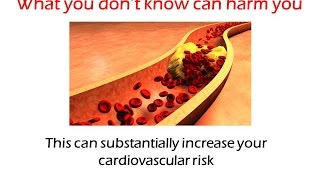
The discussions demonstrate a critical engagement with the research, with posts highlighting the health risks of foods rich in choline and TMAO, such as eggs and meats. Words like 'harmful,' 'risk,' and references to expert opinions emphasize concern and the perceived significance of this study on public health and dietary habits.
AgreementModerate agreement
Most discussions acknowledge TMAO's connection to cardiovascular risk, with some posts citing specific studies and experts, suggesting general support or recognition of the research's importance.
InterestHigh interest
The posts reveal high curiosity about dietary sources and implications, evident in references to eggs, choline, and meat, as well as mentions of potential health risks, indicating strong engagement with the topic.
EngagementModerate engagement
While some posts briefly mention foods or cite studies, others delve into interpretations of research findings or call for attention to public health messaging, showing moderate depth of involvement.
ImpactModerate impact
The tone suggests that many users see this research as potentially influential, with references to changing dietary advice and skepticism of industry influence, although not everyone explicitly claims it to be a game changer.
Abstract in brief
Recent research shows that the gut bacteria process dietary phosphatidylcholine (found in foods like eggs) into a compound called TMAO, which is linked to an increased risk of heart disease.
In humans, higher plasma TMAO levels, especially after eating phosphatidylcholine, are associated with a greater chance of major cardiovascular events like heart attacks or strokes over a 3-year period.
The study found that antibiotics reducing gut bacteria lowered TMAO levels, indicating that TMAO production depends on intestinal microbes, and that elevated TMAO could be a useful marker for cardiovascular risk.]
The supplementation of L-carnitine may also raise blood levels of trimethylamine-N-oxide (TMAO) over time. High levels of TMAO are linked to an increased risk of atherosclerosis.
https://t.co/YRa8OQO2hr
Feb 24, 2023 · 6 likes · 48,059 followersView post →
Jan 24, 2022 · 4 likes · 1 share · 722 followersView post →
TF
TEJAS PATEL MD, FACP, FASN
@GenNextMD · X
TMAO’s toxic effects..#kidneywk
..more elevated in CKD pts
https://t.co/6YaAoE5AxQ
Nov 9, 2019 · 2 likes · 2 shares · 1,121 followersView post →
C
coopgrafik
@coopgrafik · X
@Mangan150 Dr. Hazen's group showed that increased levels of TMAO in the blood are associated with cardiovascular disease (CVD).
https://t.co/oL310JSLmx
Recent research indicates that gut bacteria process dietary phosphatidylcholine, found in foods like eggs and meat, into TMAO, which is linked to increased heart disease risk. Higher TMAO levels may serve as a marker…
Our gut controls inflammation which drives heart disease and helps regulate cholesterol and blood sugar. This video explores how gut bacteria influence medication effectiveness, inflammation, and blood markers…
This video explains why a balanced vegan diet improves COVID-19 outcomes. The vegan revolution is seen as vital for health, animal rights, and environmental sustainability. Governments should expedite this transition…
Recent research shows that gut bacteria process dietary phosphatidylcholine into TMAO, linked to increased heart disease risk. Elevated plasma TMAO indicates higher chances of cardiovascular events, and reducing gut…
Recent research reveals that gut bacteria process dietary phosphatidylcholine in eggs into TMAO, which is linked to increased cardiovascular risk. Elevated TMAO levels are associated with higher chances of heart attacks…
Jan 19, 2024 · 1 like · 2 shares · 492 followersView post →
DB
Dr Rajdeep Bhatti
@DrRajdeepBhatti · X
@hyderabaddoctor Eggs are highly harmful to health.
A study looking at egg consumption found that TMAO, a byproduct of dietary choline, can lead to a greater risk of heart attack, stroke, and death.https://t.co/LSPafBbyqz
@xxsancto @TwitchAsleyia "this one issue involving TMAO is, according to the recent president of the American College of Cardiology Dr. Kim A. Williams, sufficient by itself for people to vigorously avoid animal foods."
Forks over Knives bezieht sich auf die Studie
https://t.co/KaYCCyFy0b
The supplementation of L-carnitine may also raise blood levels of trimethylamine-N-oxide (TMAO) over time. High levels of TMAO are linked to an increased risk of atherosclerosis.
https://t.co/YRa8OQO2hr
Feb 24, 2023 · 6 likes · 48,059 followersView post →
DW
David Wiese
@RedPilledFoodie · X
@goddeketal By the way. Choline not so good for humans. We are herbivores/starchivores.
MSM will start telling the truth about CVD to pivot. Big food not gonna like this!
https://t.co/1HZ33Ebx3x
@richardosman The sign should also include this photo of a hen reproductive system (which is what you are eating) & links to credible studies like this one from NEJM showing the risks of eating sat fat & cholesterol-laden hen periods. #vegan https://t.co/mRXWngCKF8 https://t.co/eTWnVyTI4q
@PierretteDe2 @SBakerMD Humans produce all the choline they need. Excess/external choline produces higher plasma TMAO levels, "which predicted an increased risk of major adverse cardiovascular events after adjustment for traditional risk factors." https://t.co/mRXWngCKF8 https://t.co/UVM50zoZHM
@kevinnbass @TyRBeal @maxlugavere @fleroy1974 @drdairy50 @TheAlanAragon What about the increased risks for major adverse cardiovascular events (& likely certain cancers & T2D as well) with increased exogenous choline & subsequent greater TMAO levels? 500mg is equivalent to 4 eggs/day.
@Mangan150 Dr. Hazen's group showed that increased levels of TMAO in the blood are associated with cardiovascular disease (CVD).
https://t.co/oL310JSLmx
@q21407434 @djwilso @StickmanBleedin An elevated TMAO level predicted an increased risk of major adverse cardiovascular events after adjustment for traditional risk factors (P<0.001), as well as in lower-risk subgroups. https://t.co/Jofttrylzk
@kdinbburg @EAllen0417 @whsource See table S1 in suppl appendix. Not a healthy population. As TMAO rises, other biomarkers get worse also. Who knows if TMAO is an independent variable?
https://t.co/w7ZISK9gDN
@kdinbburg @EAllen0417 @whsource And here Table 1. Note all the studies listed are of patients with disease. Tang 2013 is listed as a study of the general population but it's of angiography pts (not a healthy pop). Ex. avg HDL in this group is approx 34.
https://t.co/BtUkHdcMRr
https://t.co/w7ZISK9gDN
@Observerzzzzzz @MassiMassian @ChrisMasterjohn I assume you are familiar with Hazen's work here. https://t.co/RsD9Pwi09q
Also here:
https://t.co/GuS4Nw35ki
It's important to note that TMAO was discovered by untargeted metabolomic analysis, so VERY unlikely to be a spurious association. https://t.co/WLiVSgDt56