 中古
 マフ
 AR
 ES
 RA
 山恐
 M
 FO
 E提
 桃N
 鱗
 ?
 狂O
 加恐
 ド
 TA
 K
 D
 RC
 お
 低
 焼
 す
 เว
 ホ
 J
 ト
 と
 錯ザ
 輝フ
 B
 恐太
 冠諸
Plio Saurus | PDF
News
doi:10.1371/journal.pone.0065989 (https://doi.org/10.1371%2Fjournal.pone.00659 89). PMC 3669260 (https://www.ncbi.nlm.nih.gov/pmc/articles/PMC3669260). PMID ...
Dec 12, 2025
View →
Mentions
Extended reach
Total likes
Video views
AI synopsis
These discussions reflect a high level of interest and positive acknowledgment of the article's contributions, such as mentions of new species like Pliosaurus kevani and detailed preparation techniques, while users cite examples of evolving understanding of pliosaurs' size and ecology, contributing to a consensus of moderate significance and engagement.
Most discussions support the importance and relevance of the research on Pliosaurus species, indicating a generally positive consensus.
Posts demonstrate high interest by highlighting detailed findings and referencing specific species and methods.
The discussion shows moderate engagement, with users referencing methods, skull sizes, and comparisons to other pliosaurs, but not deeply debating or challenging points.
The conversations suggest the research may influence future studies or curiosity in marine reptiles, though its immediate impact appears moderate.
「ページワン」はどちらかと言うとプリオサウルスですね(論文は「プロスワン」) https://t.co/833GCRVFzg https://t.co/wtbyBwzI9i https://t.co/j7qTAb2b4V
@yamamotoyama555 ◎首長竜の頭骨付き論文等 ①https://t.co/Ov9JO92a6g ②https://t.co/UMyb8eBhEn ③https://t.co/XfuQ4IMaVG ④https://t.co/9323kX4Tbc ⑤https://t.co/PBYCgNEQGd ⑥https://t.co/EjWAgzQnuv ⑦https://t.co/CsJOB3jjrj ⑧https://t.co/HvgCOZ1xrN ⑨https://t.co/JhFvazOrmM
The paper describing Pliosaurus kevani is also a really useful reference for becoming familiar with pliosaurs in general: https://t.co/osR9wEZT7N
@Fang83768513 @fishboy86164577 Originally it was used for what's now Pliosaurus kevani, Pliosaurus macromerus, and Pliosaurus rossicus respectively. https://t.co/PsDuKRFxX0 https://t.co/UF3QPn4eVK
“@AndyFarke: A spectacular new marine reptile skull in @PLOSONE - with detailed preparation methods. https://t.co/UkYarlFtyq …” @paleofreak
RT @V2manburu: @yamamotoyama555 ◎首長竜の頭骨付き論文等 ①https://t.co/Ov9JO92a6g ②https://t.co/UMyb8eBhEn ③https://t.co/XfuQ4IMaVG ④https://t.co/9323k…

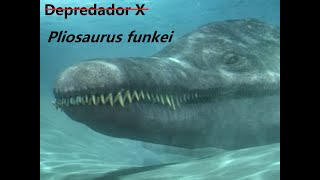
This video explores the challenges of estimating the body mass of Pliosaurus funkei, a large marine reptile from the Jurassic period, highlighting recent discoveries of new species and trends in their size and skull…
RT @adam_rl_art: The paper describing Pliosaurus kevani is also a really useful reference for becoming familiar with pliosaurs in general:…
The paper describing Pliosaurus kevani is also a really useful reference for becoming familiar with pliosaurs in general: https://t.co/osR9wEZT7N
RT @Elisandre2002: @Fang83768513 @fishboy86164577 Originally it was used for what's now Pliosaurus kevani, Pliosaurus macromerus, and Plios…
@Fang83768513 @fishboy86164577 Originally it was used for what's now Pliosaurus kevani, Pliosaurus macromerus, and Pliosaurus rossicus respectively. https://t.co/PsDuKRFxX0 https://t.co/UF3QPn4eVK
“@AndyFarke: A spectacular new marine reptile skull in @PLOSONE - with detailed preparation methods. https://t.co/UkYarlFtyq …” @paleofreak
RT @morethanadodo: @WellsiteGeo Those are good observations. We have the skulls of some smaller pliosaurs in the collections but none as la…
RT @japanfossil: 「ページワン」はどちらかと言うとプリオサウルスですね(論文は「プロスワン」) https://t.co/833GCRVFzg https://t.co/j7qTAb2b4V https://t.co/wtbyBwzI9i
RT @japanfossil: 「ページワン」はどちらかと言うとプリオサウルスですね(論文は「プロスワン」) https://t.co/833GCRVFzg https://t.co/wtbyBwzI9i
RT @japanfossil: 「ページワン」はどちらかと言うとプリオサウルスですね(論文は「プロスワン」) https://t.co/833GCRVFzg https://t.co/wtbyBwzI9i
RT @japanfossil: 「ページワン」はどちらかと言うとプリオサウルスですね(論文は「プロスワン」) https://t.co/833GCRVFzg https://t.co/wtbyBwzI9i
RT @japanfossil: 「ページワン」はどちらかと言うとプリオサウルスですね(論文は「プロスワン」) https://t.co/833GCRVFzg https://t.co/wtbyBwzI9i
RT @japanfossil: 「ページワン」はどちらかと言うとプリオサウルスですね(論文は「プロスワン」) https://t.co/833GCRVFzg https://t.co/wtbyBwzI9i
RT @japanfossil: 「ページワン」はどちらかと言うとプリオサウルスですね(論文は「プロスワン」) https://t.co/833GCRVFzg https://t.co/wtbyBwzI9i
RT @japanfossil: 「ページワン」はどちらかと言うとプリオサウルスですね(論文は「プロスワン」) https://t.co/833GCRVFzg https://t.co/wtbyBwzI9i
RT @japanfossil: 「ページワン」はどちらかと言うとプリオサウルスですね(論文は「プロスワン」) https://t.co/833GCRVFzg https://t.co/j7qTAb2b4V https://t.co/wtbyBwzI9i
RT @japanfossil: 「ページワン」はどちらかと言うとプリオサウルスですね(論文は「プロスワン」) https://t.co/833GCRVFzg https://t.co/j7qTAb2b4V https://t.co/wtbyBwzI9i
RT @japanfossil: 「ページワン」はどちらかと言うとプリオサウルスですね(論文は「プロスワン」) https://t.co/833GCRVFzg https://t.co/j7qTAb2b4V https://t.co/wtbyBwzI9i
RT @japanfossil: 「ページワン」はどちらかと言うとプリオサウルスですね(論文は「プロスワン」) https://t.co/833GCRVFzg https://t.co/j7qTAb2b4V https://t.co/wtbyBwzI9i
RT @japanfossil: 「ページワン」はどちらかと言うとプリオサウルスですね(論文は「プロスワン」) https://t.co/833GCRVFzg https://t.co/wtbyBwzI9i
RT @japanfossil: 「ページワン」はどちらかと言うとプリオサウルスですね(論文は「プロスワン」) https://t.co/833GCRVFzg https://t.co/wtbyBwzI9i
RT @japanfossil: 「ページワン」はどちらかと言うとプリオサウルスですね(論文は「プロスワン」) https://t.co/833GCRVFzg https://t.co/wtbyBwzI9i
RT @japanfossil: 「ページワン」はどちらかと言うとプリオサウルスですね(論文は「プロスワン」) https://t.co/833GCRVFzg https://t.co/j7qTAb2b4V https://t.co/wtbyBwzI9i
RT @japanfossil: 「ページワン」はどちらかと言うとプリオサウルスですね(論文は「プロスワン」) https://t.co/833GCRVFzg https://t.co/wtbyBwzI9i
「ページワン」はどちらかと言うとプリオサウルスですね(論文は「プロスワン」) https://t.co/833GCRVFzg https://t.co/wtbyBwzI9i https://t.co/j7qTAb2b4V
RT @V2manburu: @yamamotoyama555 ◎首長竜の頭骨付き論文等 ①https://t.co/Ov9JO92a6g ②https://t.co/UMyb8eBhEn ③https://t.co/XfuQ4IMaVG ④https://t.co/9323k…
RT @V2manburu: @yamamotoyama555 ◎首長竜の頭骨付き論文等 ①https://t.co/Ov9JO92a6g ②https://t.co/UMyb8eBhEn ③https://t.co/XfuQ4IMaVG ④https://t.co/9323k…
RT @V2manburu: @yamamotoyama555 ◎首長竜の頭骨付き論文等 ①https://t.co/Ov9JO92a6g ②https://t.co/UMyb8eBhEn ③https://t.co/XfuQ4IMaVG ④https://t.co/9323k…
RT @V2manburu: @yamamotoyama555 ◎首長竜の頭骨付き論文等 ①https://t.co/Ov9JO92a6g ②https://t.co/UMyb8eBhEn ③https://t.co/XfuQ4IMaVG ④https://t.co/9323k…
RT @V2manburu: @yamamotoyama555 ◎首長竜の頭骨付き論文等 ①https://t.co/Ov9JO92a6g ②https://t.co/UMyb8eBhEn ③https://t.co/XfuQ4IMaVG ④https://t.co/9323k…
RT @V2manburu: @yamamotoyama555 ◎首長竜の頭骨付き論文等 ①https://t.co/Ov9JO92a6g ②https://t.co/UMyb8eBhEn ③https://t.co/XfuQ4IMaVG ④https://t.co/9323k…
RT @V2manburu: @yamamotoyama555 ◎首長竜の頭骨付き論文等 ①https://t.co/Ov9JO92a6g ②https://t.co/UMyb8eBhEn ③https://t.co/XfuQ4IMaVG ④https://t.co/9323k…
@yamamotoyama555 ◎首長竜の頭骨付き論文等 ①https://t.co/Ov9JO92a6g ②https://t.co/UMyb8eBhEn ③https://t.co/XfuQ4IMaVG ④https://t.co/9323kX4Tbc ⑤https://t.co/PBYCgNEQGd ⑥https://t.co/EjWAgzQnuv ⑦https://t.co/CsJOB3jjrj ⑧https://t.co/HvgCOZ1xrN ⑨https://t.co/JhFvazOrmM
doi:10.1371/journal.pone.0065989 (https://doi.org/10.1371%2Fjournal.pone.00659 89). PMC 3669260 (https://www.ncbi.nlm.nih.gov/pmc/articles/PMC3669260). PMID ...
DOI 10.1371/journal.pone.0065989. Bermúdez-Rochas DD. 2009. New hybodont shark assemblage from the Early Cretaceous of the. Basque-Cantabrian Basin. Geobios ...
doi:10.1371/journal.pone.0065989 (https://doi.org/10.1371%2Fjournal.pone.0065989). PMC 3669260 (https://www.ncbi.nlm ...
A giant pliosaurid skull from the Late Jurassic of England. PLoS One 8 (5), e65989. https://doi.org/10.1371/journal.pone.0065989. Blainville .D ...
doi: dx.doi.org/10.1371/journal.pone.0065989. Pliosaurus kevani – the Weymouth Bay Pliosaur. http://www.plesiosauria.com/news/index.php ...