 J
 SB
 DD
 CG
 VC
 고
 T
 BA
 VV
 PB
 P
 PB
 M
 L
 L
 PS
 T
 FP
 P
 H
 MM
 자프
 구
 좌잿
 동치
 비둥
 솔
 비
Ebook 2 PDF | PDF
News
10.1016/j.jesp.2008.09.003; DeWall, C. Nathan – Baumeister, Roy F ... jand.2013.06.349; Clarys, Peter – Deliens, Tom – Huybrechts, Inge – Deriemaeker ...
Dec 11, 2025
View →
Mentions
Extended reach
Total likes
Video views
AI synopsis
The social discussions include references to detailed nutrient comparisons, such as higher fiber and lower fat intake in vegans, and mention of specific studies like the one by Rizzo and colleagues, using technical language and data points that reflect genuine interest and engagement. Words like 'research shows' and 'study' convey a focus on scientific rigor and potential impact, while some comments debate protein sufficiency and population differences, indicating active discourse.
Many discussions support the findings, highlighting nutrient differences and supporting plant-based diets, reflecting general agreement with the study’s conclusions.
Posts demonstrate high interest by referencing multiple studies, nutritional data, and health implications, indicating strong engagement with the topic.
Several comments delve into specifics like protein intake, study populations, and nutrient comparisons, showing active and thoughtful engagement.
The discussions could influence dietary choices and scientific understanding, but their direct influence on policy or wider health practices is moderate at this stage.
Plant-based diets produce more weight loss https://t.co/YEXbbe2h9g Potatoes are more satiating than protein-rich foods https://t.co/T8L22ztvPh Plants are more satiating than animals https://t.co/AQsJ83K8EU Vegans weigh less https://t.co/CJIHOCpY2f
@kevinnbass @mackinprof @JaicSam @maxlugavere @fleroy1974 @TyRBeal @vanvlietphd @ScepticalDoctor @NanciGuestRDPhD Even if you dig into the AHS-2 cohort the protein intakes are quite interesting. Difference between omnivores and vegans is 4g per day. Given lower body weight in vegan group, they seem to consume more protein per KG. https://t.co/AnVOynfBUj
@ScepticalDoctor @kevinnbass The average plant-based eater consumes about 70g (up to 100g) of protein per day. How much more do they need, on average? https://t.co/tWPxKp7chF
Yesterday @ScepticalDoctor provided screen shot below (source?) Meat eaters ~16% Vegetarians ~13% Vegans ~12.5% @MrBigNoodle noted this: https://t.co/F98GmpAf1T with higher amounts (although, in grams). I find few examples in published lit. of ave’s outside the 15-20% range https://t.co/VRmvFJa0ck
Research shows that vegan diets commonly have the hightest intake of fibre + the lowest intake of fat! Publications include Journal of the Academy of Nutrition and Dietetics (https://t.co/iTn9BrAbaS) + The American Journal of Clinical Nutrition (https://t.co/wcMRbiknV6).
*Nutrient profiles of vegetarian and nonvegetarian dietary patterns. Rizzo NS, Jaceldo-Siegl K, Sabate J, Fraser GE.(2011) https://t.co/oSGJkpTpJv 단백질과 아미노산은 채식주의자의 걱정 사항이 아닙니다.

This video clarifies misconceptions about plant-based protein, emphasizing that a varied vegetarian diet can provide sufficient, high-quality protein without animal products, supported by scientific research.

Your protein selection significantly influences skin health and aging. This video explores the differences in protein sources, their inflammatory effects, and the role of collagen in maintaining youthful skin, supported…
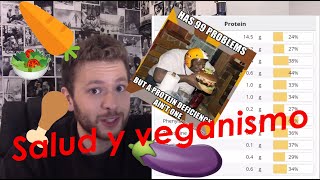
This video discusses veganism and health, highlighting studies such as the PREDIMED research that links plant-based eating patterns to a 40% reduction in mortality risk, emphasizing the benefits of increasing…
@JustinJames_X @Skitz0Panda @creepydotorg Protein -> Non-Vegetarian Total Protein: 75.8 Strict Vegetarian Total Protein: 72.3 Non-Vegetarian mean BMI: 28.7 Strict Vegetarian mean BMI 24.1 https://t.co/eMuAr9Wnkr
@Aortizlemos @SolDeOrien79119 Afortunadamente, no solo comemos quinua... Si está interesado en el tema, este es uno de los estudios más grandes al respecto: Rizzo, N.S., Jaceldo-Siegl, K., Sabbate, J. & Fraser, G.E. "Nutrient Profiles of Vegetarian and Nonvegetarian Dietary Patterns". https://t.co/wmSVFlRdas
@Agrill_Agrill @Schimmerschaf @fokus_fleisch Hier eine große Querschnittsstudie zur Proteinaufnahme (https://t.co/Ucvm4HUeqa) die zeigt, dass der durchschnittliche Veganer jeden Tag 70% mehr Protein zu sich nimmt, als er eigentlich benötigt.
@devane_fran @SBakerMD All proteins are available through plant food. https://t.co/IxeoL80MdX The point is that we have a choice. Cave paintings represent what was available to survive. We can survive easily AND thrive off other foods
RT @VegRecipeClub: Research shows that vegan diets commonly have the hightest intake of fibre + the lowest intake of fat! Publications incl…
Research shows that vegan diets commonly have the hightest intake of fibre + the lowest intake of fat! Publications include Journal of the Academy of Nutrition and Dietetics (https://t.co/iTn9BrAbaS) + The American Journal of Clinical Nutrition (https://t.co/wcMRbiknV6).
@JsemBasnik https://t.co/E4nmaSSI40 https://t.co/ll68w4VjA9 https://t.co/yCsBLnSRrp https://t.co/WNyAYmTvbN
RT @JoshMcKain: Plant-based diets produce more weight loss https://t.co/YEXbbe2h9g Potatoes are more satiating than protein-rich foods htt…
RT @JoshMcKain: Plant-based diets produce more weight loss https://t.co/YEXbbe2h9g Potatoes are more satiating than protein-rich foods htt…
Las dietas basadas en plantas producen más pérdida de peso https://t.co/FyQAYVbvTY Las papas sacian más que los alimentos ricos en proteínas https://t.co/RPyNn22KHR Las plantas sacian más que los animales https://t.co/fGxx0zfwwZ Los veganos pesan menos https://t.co/eTDkbpkrrb
Plant-based diets produce more weight loss https://t.co/YEXbbe2h9g Potatoes are more satiating than protein-rich foods https://t.co/T8L22ztvPh Plants are more satiating than animals https://t.co/AQsJ83K8EU Vegans weigh less https://t.co/CJIHOCpY2f
Yesterday @ScepticalDoctor provided screen shot below (source?) Meat eaters ~16% Vegetarians ~13% Vegans ~12.5% @MrBigNoodle noted this: https://t.co/F98GmpAf1T with higher amounts (although, in grams). I find few examples in published lit. of ave’s outside the 15-20% range https://t.co/VRmvFJa0ck
@HLemmik ... The study population is 7th Day Adventists. Perhaps not typical in these ways (but – perhaps atypical in a way that helps your case, as they are apparently healthier than average). 2/ https://t.co/MR017DJ6jk
@ScepticalDoctor @kevinnbass The average plant-based eater consumes about 70g (up to 100g) of protein per day. How much more do they need, on average? https://t.co/tWPxKp7chF
@kevinnbass @mackinprof @JaicSam @maxlugavere @fleroy1974 @TyRBeal @vanvlietphd @ScepticalDoctor @NanciGuestRDPhD Even if you dig into the AHS-2 cohort the protein intakes are quite interesting. Difference between omnivores and vegans is 4g per day. Given lower body weight in vegan group, they seem to consume more protein per KG. https://t.co/AnVOynfBUj
Nutrient Profiles of Vegetarian and Nonvegetarian Dietary Patterns https://t.co/q1Jl2dadUf
@suo87zeta La vitamina B12 la sintetizan las bacterias, y a los animales se les suplementan con B12. Luego, a igualdad de calorias es imposible no llegar a la cantidad de proteína necesaria (aunque hayan cosas mas relevantes que la proteína. https://t.co/KttDKBWQRi
@pedrocor79 @lavajatoec @yluminaty Ver: N S Rizzo, K Jaceldo-Siegl, J Sabate, G E Fraser. "Nutrient profiles of vegetarian and nonvegetarian dietary patterns." J Acad Nutr Diet 2013 113(12):1610 – 1619. https://t.co/2yzei9Bx1v https://t.co/7Or1Ec3KxA
@ManManBoyBoy2 Most American adults eat roughly twice the recommended intake of protein—including vegetarians, who consume 70 percent more than they need. Somewhat ironically, even meat-eaters get roughly half of their protein from plants. https://t.co/JCXMB3rzrx
@ItsLeslie_ @Greekgodx Vegetarians get plenty of protein, & veg athletes eat more calories & also get enough protein. On average 0% of omnivore males 18-50 get enough fiber. Vegetarians get enough fiber; #vegan get 3x the average American. https://t.co/YGUq7ZX9vX https://t.co/lFIDRKN10A
Nutrient profiles of vegetarian and nonvegetarian dietary patterns https://t.co/ClrPwMASuu
https://t.co/kMWTAppiVV
RT @Goo_Vegan: *Nutrient profiles of vegetarian and nonvegetarian dietary patterns. Rizzo NS, Jaceldo-Siegl K, Sabate J, Fraser GE.(2011) h…
RT @Goo_Vegan: *Nutrient profiles of vegetarian and nonvegetarian dietary patterns. Rizzo NS, Jaceldo-Siegl K, Sabate J, Fraser GE.(2011) h…
RT @Goo_Vegan: *Nutrient profiles of vegetarian and nonvegetarian dietary patterns. Rizzo NS, Jaceldo-Siegl K, Sabate J, Fraser GE.(2011) h…
RT @Goo_Vegan: *Nutrient profiles of vegetarian and nonvegetarian dietary patterns. Rizzo NS, Jaceldo-Siegl K, Sabate J, Fraser GE.(2011) h…
RT @Goo_Vegan: *Nutrient profiles of vegetarian and nonvegetarian dietary patterns. Rizzo NS, Jaceldo-Siegl K, Sabate J, Fraser GE.(2011) h…
RT @Goo_Vegan: *Nutrient profiles of vegetarian and nonvegetarian dietary patterns. Rizzo NS, Jaceldo-Siegl K, Sabate J, Fraser GE.(2011) h…
RT @Goo_Vegan: *Nutrient profiles of vegetarian and nonvegetarian dietary patterns. Rizzo NS, Jaceldo-Siegl K, Sabate J, Fraser GE.(2011) h…
*Nutrient profiles of vegetarian and nonvegetarian dietary patterns. Rizzo NS, Jaceldo-Siegl K, Sabate J, Fraser GE.(2011) https://t.co/oSGJkpTpJv 단백질과 아미노산은 채식주의자의 걱정 사항이 아닙니다.
10.1016/j.jesp.2008.09.003; DeWall, C. Nathan – Baumeister, Roy F ... jand.2013.06.349; Clarys, Peter – Deliens, Tom – Huybrechts, Inge – Deriemaeker ...
19,http://dx.doi.org/10.1016/j.jand.2013.06.349. 11.C. M. Depner, M. G. Traber, G. Bobe, E. Kensicki, K. M. Bohren, G. Milne, and D. B. Jump, “Metabolomic ...
J. Acad. Nutr. Diet. 113, 1610–1619. doi: 10.1016/j.jand.2013.06.349 Sarafoglou, K., Rodgers, J., Hietala, A., Matern, D., and Bentler, K. (2011). Expanded ...
J. Acad. Nutr. Diet. 113, Gross, M. (2013). Algorithm for the early diagnosis of vitamin B12 deficiency 1610–1619. doi: 10.1016/j.jand.2013.06.349 in ...
10.1016/j.jand.2013.06.349. Epub 2013 Aug 27. 16) Khanna, G.L, Lal, P.R, Kommi, K. & Chakraborty, T ...
dietary patterns. J. Acad. Nutr. Diet. 2013, 113, 1610–1619, doi:10.1016/j.jand.2013.06.349. 10 ...
10.1016/j.jand.2015.09.003 50. Qi L and others: Genetic predisposition ... 2013.06.349 52. Rizzo G and others: Vitamin B12 among vegetarians: Status ...
J. Acad. Nutr. Diet. ;113:1610–1619. doi: 10.1016/j.jand.2013.06.349. Sağlıklı pişirme yöntemleri, Türkiye Diyetisyenler Derneği (TDD) internet sitesi ...
jand.2013.06.349. 2. Estruch, Ramón, et al. “Primary Prevention of ... doi:10.1016/j.sleh.2014.12.010; Lichtenstein, Gary R. “The Importance of ...
10.1016/j.jand.2013.06.349. intake than typical omnivores. Since dietary energy restriction appears ...
doi: 10.1016/j.jand.2016.09.025. Melnik, BC. (2012). Leucine signaling in the ... doi: 10.1016/j.jand.2013.06.349. Roberts, WC. (2008). The cause of ...
J Acad Nutr Diet. 2013 December ; 113(12): 1610–1619. doi:10.1016/j.jand.2013.06.349. Nutrient Profiles of Vegetarian and Non Vegetarian Dietary. Patterns
... 10.1016/j.jand.2013.06.349 DOI:10.1016/j.clnu.2014.03.003 DOI: 10.5694/mja11.11507 #omega3 #nutrición #evidenciacientifica · sonido ...
... 10.1016/j.jand.2013.06.349 DOI:10.1016/j.clnu.2014.03.003 DOI: 10.5694/mja11.11507 #omega3 #nutrición #evidenciacientifica · sonido ...
... 10.1016/j.jand.2013.06.349 DOI:10.1016/j.clnu.2014.03.003 DOI: 10.5694/mja11.11507 #omega3 #nutrición #evidenciacientifica · sonido ...
... 10.1016/j.jand.2013.06.349 DOI:10.1016/j.clnu.2014.03.003 DOI: 10.5694/mja11.11507 #omega3 #nutrición #evidenciacientifica · sonido ...
... 10.1016/j.jand.2013.06.349 DOI:10.1016/j.clnu.2014.03.003 DOI: 10.5694/mja11.11507 #omega3 #nutrición #evidenciacientifica · sonido ...
... J, Fraser GE. Nutrient profiles of vegetarian and nonvegetarian ... doi: 10.1016/j.jand.2013.06.349. Epub 2013 Aug 27. PMID: 23988511 ...
J Acad Nutr Diet. 2013 Dec;113(12): 1610-9. doi: 10.1016/j.jand.2013.06.349. Epub 2013 Aug 27. 0 reactions ·. 1 comment. Diana A. Costa ...
... 10.1016/j.jand.2013.06.349) avec une revue scientifique qui conclut : Nous recommandons que d'autres études sur les protéines dans les ...
... J, Fraser GE. Nutrient profiles of vegetarian and nonvegetarian ... doi: 10.1016/j.jand.2013.06.349. Epub 2013 Aug 27. PMID: 23988511 ...
J Acad Nutr Diet. 2013 Dec;113(12):1610-9. doi: 10.1016/j.jand.2013.06.349. Epub 2013 Aug 27. PMID: 23988511; PMCID: PMC4081456. [https ...
[[4]](https://doi.org/10.1016/j.jand.2013.06.349) 한 과학적 검토에서는 다음과 같이 결론을 내렸어요. 채식 식단에서 단백질에 대한 추가 연구는 ...
org/10.1016/j.jand.2013.06.349) ある科学的レビューは次のように結論付けています。 ベジタリアン食におけるタンパク質に関するさらなる研究は ...
... 10.1016/j.jand.2013.06.349) , wobei eine wissenschaftliche Überprüfung zu folgendem Schluss kommt: Wir empfehlen, dass weitere Studien über ...
org/10.1016/j.jand.2013.06.349) ,一项科学综述总结道:. 我们建议对素食饮食中蛋白质的进一步研究,应避免对蛋白质是否充足等不必要的问题进行探讨 ...
J Acad Nutr Diet. 2013 Dec;113(12):1610-9. doi: 10.1016/j.jand.2013.06.349. Epub 2013 Aug 27. PMID: 23988511; PMCID: PMC4081456. [https ...
Nutrient profiles of vegetarian and nonvegetarian dietary patterns. J Acad Nutr Diet. 2013 Dec; 113(12):1610-9. doi: 10.1016/j.jand. 2013.06.349 ...
J Acad Nutr Diet. 2013 Dec;113(12): 1610-9. doi: 10.1016/j.jand.2013.06.349. Epub 2013 Aug 27. 0 reactions ·. 1 comment. Best Health and ...
J Acad Nutr Diet. 2013 Dec;113(12): 1610-9. doi: 10.1016/j.jand.2013.06.349. Epub 2013 Aug 27. 0 reactions ·. 1 comment. Susan Eddie Ramirez ...
J Acad Nutr Diet. 2013 Dec;113(12): 1610-9. doi: 10.1016/j.jand.2013.06.349. Epub 2013 Aug 27. 0 reactions ·. 1 comment. Pstor Demis Megas ...
J Acad Nutr Diet. 2013 Dec;113(12):1610-9. doi: 10.1016/j.jand.2013.06.349. Epub 2013 Aug 27. PMID: 23988511; PMCID: PMC4081456. [https ...
J Acad Nutr Diet. 2013 Dec;113(12): 1610-9. doi: 10.1016/j.jand.2013.06.349. Epub 2013 Aug 27. 0 reactions ·. 1 comment. Diana A. Costa ...
J Am Geriatr Soc. 2002. [47] Fortunately, sarcopenia is neither ... doi: 10.1016/j.jand.2013.06.349. Epub 2013 Aug 27. PMID: 23988511 ...
... and nonvegetarian dietary patterns. J Acad Nutr Diet. 2013 Dec;113(12): 1610-9. doi: 10.1016/j.jand.2013.06.349. Epub 2013 Aug 27.
... and nonvegetarian dietary patterns. J Acad Nutr Diet. 2013 Dec;113(12): 1610-9. doi: 10.1016/j.jand.2013.06.349. Epub 2013 Aug 27.
J Acad Nutr Diet. 2013 Dec;113(12): 1610-9. doi: 10.1016/j.jand.2013.06.349. Epub 2013 Aug 27. 0 reactions ·. 1 comment. Teisha Rowland ...
J Acad Nutr Diet. 2013 Dec;113(12): 1610-9. doi: 10.1016/j.jand.2013.06.349. Epub 2013 Aug 27. 0 reactions ·. 1 comment. Harry Liimal ▻ World ...
J Acad Nutr Diet. 2013 Dec;113(12): 1610-9. doi: 10.1016/j.jand.2013.06.349. Epub 2013 Aug 27. 0 reactions ·. 1 comment. Michael J. Mappin. 2y ...
J Acad Nutr Diet. 2013 Dec;113(12): 1610-9. doi: 10.1016/j.jand.2013.06.349. Epub 2013 Aug 27. 0 reactions ·. 1 comment. Profile photo of ...
J Acad Nutr Diet. 2013 Dec;113(12): 1610-9. doi: 10.1016/j.jand.2013.06.349. Epub 2013 Aug 27. 0 reactions ·. 1 comment. Noelle Obcarskas ...
J Acad Nutr Diet. 2013 Dec;113(12): 1610-9. doi: 10.1016/j.jand.2013.06.349. Epub 2013 Aug 27. 0 reactions ·. 1 comment. Sarah Sweet ...
J Acad Nutr Diet. 2013 Dec;113(12): 1610-9. doi: 10.1016/j.jand.2013.06.349. Epub 2013 Aug 27. 0 reactions ·. 1 comment. Profile photo of Kath.